Embarking on a Morocco safari travel adventure is not just about exploring the breathtaking landscapes and diverse wildlife; it’s also an opportunity to dive into the vibrant world of Moroccan cuisine. This culinary journey is a feast for the senses, where every meal tells a story steeped in history and tradition. Moroccan food is a rich tapestry woven from the influences of Berber, Arab, Mediterranean, and African cultures, resulting in a unique blend of flavors that captivates both locals and visitors alike. As you traverse the stunning terrains of Morocco, from the rolling dunes of the Sahara to the lush valleys of the Atlas Mountains, you will discover that food plays a central role in Moroccan hospitality. The meals are not merely sustenance; they are an experience meant to be savored and shared.
Traditional dishes like tagine and couscous are often prepared with love and care, showcasing the country’s abundant spices and fresh ingredients. Each bite offers a glimpse into the heart of Moroccan culture, making it an essential part of your travel experience. Moreover, gourmet meals in Morocco extend beyond just food. The drinks are equally enticing, with refreshing mint tea being a staple that symbolizes friendship and hospitality. As you sip this aromatic beverage, you’ll find yourself immersed in the local customs and traditions that surround it.
From sweet fruit juices to unique offerings like camel milk, Moroccan drinks complement the culinary landscape beautifully, enhancing your overall safari experience. In this article, we will delve deeper into the rich flavors and cultural heritage that define Moroccan gourmet meals and drinks. Whether you are a seasoned foodie or simply curious about new tastes, prepare to embark on a gastronomic adventure that will leave you with unforgettable memories of Morocco’s culinary delights.
The Cultural Significance of Food in Morocco
In Morocco, food is not merely sustenance; it is a profound expression of culture, history, and community. The culinary landscape of this North African nation is a vibrant tapestry woven from the threads of its diverse influences, including Berber, Arab, and Mediterranean traditions. Each dish tells a story, reflecting the rich heritage and the intricate social fabric of Moroccan society. Food plays a pivotal role in Moroccan traditions, particularly during social gatherings and celebrations.Whether it’s a family meal or a festive occasion like weddings and religious holidays, the act of sharing food fosters connections among people. Meals are often communal, served on large platters where everyone gathers around to enjoy the feast together. This practice not only enhances the flavors of the dishes but also strengthens bonds among family and friends.
Hospitality
is a cornerstone of Moroccan culture, and it is beautifully illustrated through its culinary practices. When guests arrive, they are typically welcomed with a glass of sweet mint tea—a symbol of hospitality in Morocco.
This ritual goes beyond mere refreshment; it signifies respect and warmth towards visitors. The preparation and serving of mint tea can be an elaborate affair, showcasing the host's dedication to making their guests feel valued. Moreover, traditional Moroccan meals are often accompanied by specific rituals that highlight their significance. For instance, before starting a meal, it is customary to wash hands as a sign of cleanliness and respect for the food being served. This practice underscores the importance of hygiene and reverence for the ingredients that have been lovingly prepared. The significance of food in Morocco extends to its festivals as well.
During Ramadan, for example, families come together to break their fast with special dishes like harira, a hearty soup that symbolizes nourishment and community spirit. Such meals are not just about satisfying hunger; they embody the essence of togetherness and gratitude. In summary, Moroccan food culture is deeply intertwined with the country’s history and traditions. It serves as a medium for social interaction, hospitality, and cultural expression. By understanding the significance of food in Morocco, travelers can gain deeper insights into the values and customs that shape this enchanting nation.
Must-Try Moroccan Gourmet Meals
When embarking on a culinary adventure in Morocco, there are several iconic dishes that stand out as essential experiences for any traveler.Each dish not only tantalizes the taste buds but also tells a story of the rich cultural heritage of this North African nation.
Tagine
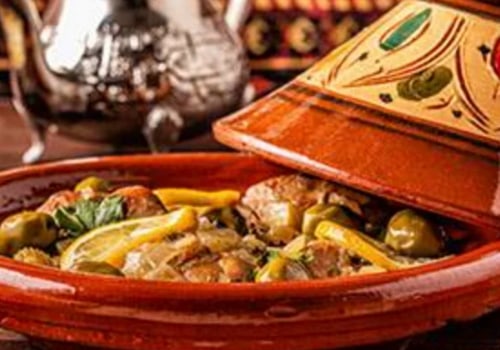
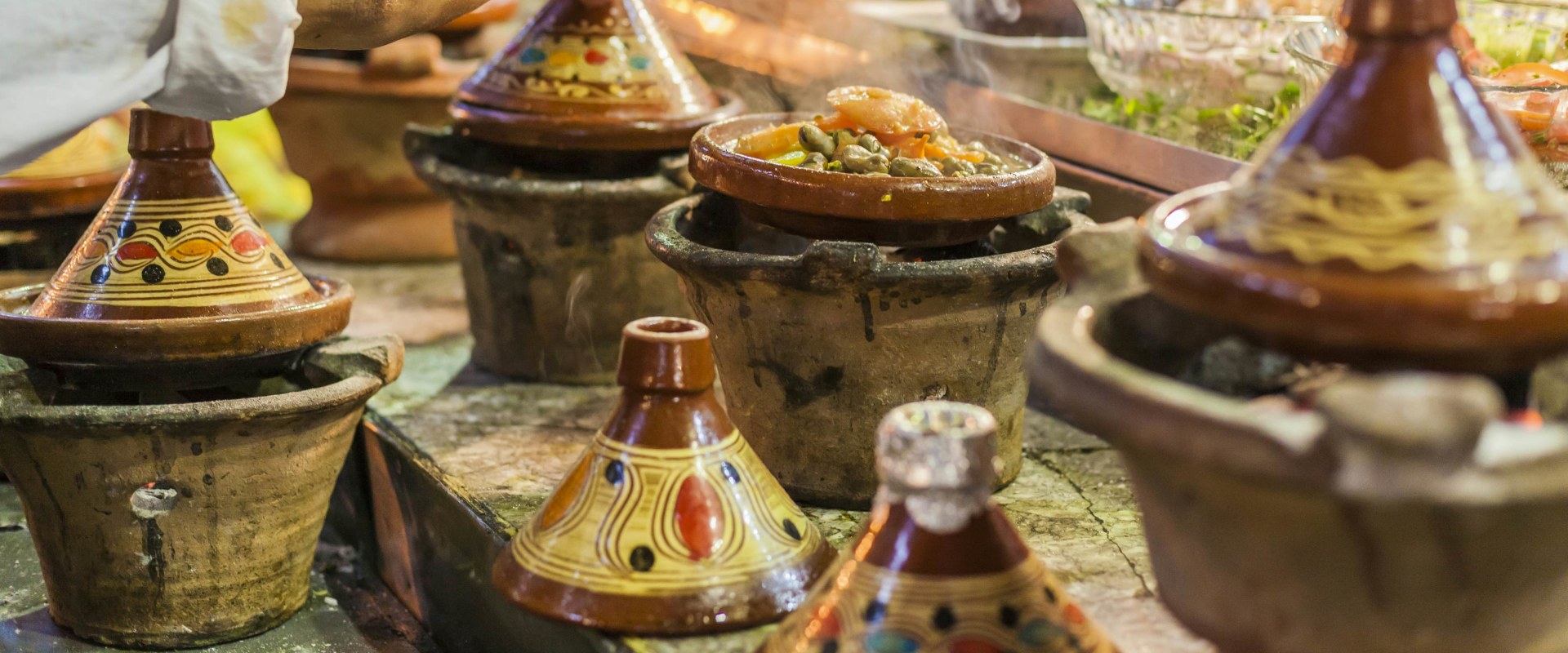
is perhaps the most famous Moroccan dish, named after the earthenware pot in which it is cooked. This slow-cooked stew can feature a variety of ingredients, including lamb, chicken, or fish, combined with an array of vegetables and spices. The cooking method allows the flavors to meld beautifully, resulting in a tender and aromatic dish. Common spices used in tagine include cumin, ginger, and saffron, which contribute to its distinctive taste.
Tagine is often served with fluffy couscous or fresh bread, making it a hearty meal perfect for sharing.
Pastilla
, another must-try dish, is a unique Moroccan pie that combines sweet and savory flavors. Traditionally made with pigeon or chicken, this dish features layers of flaky pastry filled with spiced meat, almonds, and eggs. The top is dusted with powdered sugar and cinnamon, creating a delightful contrast that surprises many first-time tasters. Pastilla is often served during special occasions and celebrations, symbolizing hospitality and culinary artistry.
Couscous
holds a special place in Moroccan cuisine as a staple food that accompanies many meals.
Made from steamed semolina wheat, couscous can be served plain or flavored with spices and herbs. One popular variation is Couscous Royale, which includes an assortment of meats such as chicken and lamb, along with vegetables cooked in a rich broth. This dish not only showcases the versatility of couscous but also reflects the communal aspect of Moroccan dining, where families gather to share meals. In addition to these iconic dishes, travelers should also explore regional specialties that vary across Morocco's diverse landscapes. From the seafood of Essaouira to the hearty mountain fare of the Atlas region, each area offers its own unique flavors and culinary traditions. Sampling these gourmet meals is not just about satisfying hunger; it’s an opportunity to connect with Morocco’s vibrant culture and history.
Each bite reveals the influence of Berber, Arab, and Mediterranean traditions that have shaped Moroccan cuisine over centuries.
Exploring Traditional Moroccan Drinks
When it comes to Moroccan culture, the beverages are just as rich and diverse as the cuisine. Each drink tells a story, reflecting the country’s history, traditions, and the warmth of its people. Here, we delve into some of the most iconic traditional drinks that you must experience during your Moroccan adventure.Mint Tea: The Heart of Moroccan Hospitality
No visit to Morocco is complete without indulging in mint tea , often referred to as "Moroccan whiskey" due to its cultural significance. This refreshing beverage is made by steeping green tea with fresh mint leaves and sugar, creating a sweet and aromatic drink that is served throughout the day. The preparation of mint tea is an art form in itself.Traditionally, it is brewed in a teapot and poured from a height into small glasses, allowing the tea to aerate and enhance its flavor. This ritual not only showcases the skill of the server but also symbolizes hospitality and friendship. Sharing a pot of mint tea with friends or family is a cherished social activity in Morocco.
Argan Oil: A Culinary Treasure
Another unique beverage that deserves attention is argan oil. While primarily known for its culinary uses, argan oil can also be enjoyed as a drink.Extracted from the nuts of the argan tree, this oil has a nutty flavor and is rich in nutrients. In Morocco, argan oil is often mixed with honey or milk to create a deliciously smooth drink that not only tantalizes the taste buds but also offers numerous health benefits. It’s packed with antioxidants and healthy fats, making it a nourishing choice for those looking to explore local flavors while maintaining their wellness.
Camel Milk: A Unique Experience
For the adventurous palate, camel milk presents an intriguing option. This traditional drink has been consumed by nomadic tribes for centuries and is celebrated for its creamy texture and nutritional value. Camel milk is lower in fat than cow's milk and contains higher levels of vitamin C and iron. In many Moroccan markets and cafes, you can find fresh camel milk served chilled or blended into smoothies.Some even enjoy it straight from the source during desert safaris, where you can experience firsthand the process of milking camels. This unique beverage not only offers a taste of local culture but also connects you to the pastoral lifestyle of Morocco's desert inhabitants.
Other Refreshing Options
Beyond these signature drinks, Morocco boasts an array of other refreshing beverages worth trying:- Freshly Squeezed Juices: The country’s abundant citrus fruits make for delicious orange juice that is both sweet and refreshing.
- Qahwa: Traditional Moroccan coffee, often spiced with cardamom or cinnamon, provides a robust flavor that pairs perfectly with pastries.
- Herbal Infusions: Various herbal teas made from local plants are also popular, offering unique flavors and health benefits.
The Dining Experience: More Than Just Food
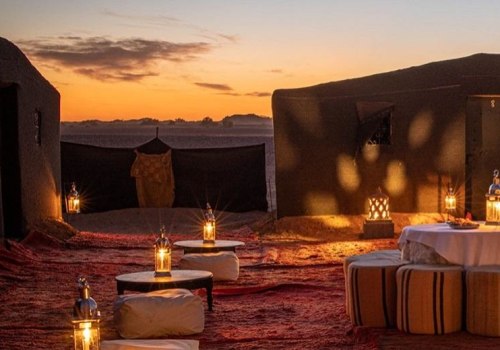
Dining in Morocco transcends the mere act of eating; it is a vibrant celebration of culture, tradition, and community. As you step into a Moroccan restaurant or a traditional riad, you are immediately enveloped by an atmosphere that is rich with history and warmth.The intricate tile work, ornate lanterns, and plush cushions create a setting that invites you to relax and indulge in the culinary delights that await. One of the most captivating aspects of the Moroccan dining experience is the live music that often accompanies your meal. Musicians play traditional instruments such as the oud (a stringed instrument) and the darbuka (a type of drum), filling the air with enchanting melodies that transport you to another time and place. The rhythmic sounds not only enhance your dining experience but also serve as a reminder of Morocco's rich musical heritage. In addition to music, many dining venues feature traditional dance performances. Dancers clad in colorful costumes perform captivating routines that tell stories of Moroccan folklore and history.
These performances are not just entertainment; they are an integral part of the cultural tapestry that makes Moroccan dining so unique. As you watch the dancers move gracefully across the floor, you gain insight into the traditions and values that shape Moroccan society. The ambiance is further enriched by the aromas wafting from the kitchen, where skilled chefs prepare dishes using age-old recipes passed down through generations. The combination of spices—cumin, coriander, saffron—fills the air with tantalizing scents that awaken your appetite and set the stage for a memorable meal. Moreover, dining in Morocco is often a communal affair. Meals are typically served family-style, encouraging sharing and conversation among diners.
This communal aspect fosters connections not only between friends and family but also with fellow travelers who may be seated at your table. It’s an opportunity to bond over shared experiences while savoring delicious food. Ultimately, the Moroccan dining experience is about more than just satisfying hunger; it’s about immersing yourself in a culture that values hospitality, tradition, and community. Each meal becomes a journey through time, allowing you to connect with Morocco’s rich heritage while enjoying its exquisite cuisine.
Regional Variations in Moroccan Cuisine
Moroccan cuisine is a vibrant tapestry woven from the diverse cultural influences and local ingredients found throughout the country. Each region boasts its own culinary specialties, shaped by geography, climate, and historical interactions.As you embark on your Morocco safari travel, exploring these regional variations will enhance your understanding of the nation’s rich gastronomic heritage.
1.Northern Morocco: The Mediterranean Influence
The northern regions, particularly around Tangier and Chefchaouen, are heavily influenced by Mediterranean flavors. Here, you can savor dishes like couscous with fish, which is a delightful twist on the traditional meat-based couscous. The use of fresh seafood is prevalent, with grilled sardines and calamari being popular choices. Additionally, the region is known for its harira, a hearty soup made with lentils, chickpeas, and tomatoes, often enjoyed during Ramadan.
2.Central Morocco: The Heart of Tagine
As you move towards the central plains, particularly in cities like Marrakech and Fes, tagine becomes the star of the culinary scene.
This slow-cooked stew can feature a variety of meats such as lamb or chicken, combined with seasonal vegetables and aromatic spices. A must-try is Tagine of Lamb with Prunes, where sweet and savory flavors meld beautifully. The region also offers pastilla, a unique pie that layers sweet and savory ingredients, typically filled with pigeon or chicken.
3.Southern Morocco: Berber Traditions
The southern regions, including the Sahara Desert areas, are home to the Berber people whose culinary traditions are distinct. Here, you’ll find dishes like
The southern regions, including the Sahara Desert areas, are home to the Berber people whose culinary traditions are distinct. Here, you’ll find dishes like couscous with seven vegetables, which showcases the abundance of local produce.
The use of spices such as saffron and cumin is prominent in many dishes. Don’t miss out on trying mechoui, a whole roasted lamb that is often prepared for special occasions.
4.Coastal Regions: Fresh Seafood Delights
The coastal cities like Essaouira and Agadir offer an array of seafood dishes that reflect their proximity to the Atlantic Ocean. Grilled fish seasoned with local herbs and spices is a highlight here. You can also enjoy seafood tagine, which incorporates fresh catches into the traditional cooking method.
5.Sweet Treats Across Regions
No exploration of Moroccan cuisine would be complete without indulging in regional sweets.
From the almond-filled pastries of Fes to the honey-soaked treats found in Marrakech, each area has its own specialties that reflect local tastes and traditions. In conclusion, Moroccan cuisine is not just about food; it’s a reflection of the country’s diverse cultures and landscapes. By exploring these regional variations during your safari adventure, you’ll gain a deeper appreciation for Morocco’s culinary richness and perhaps discover new favorite dishes along the way.
Tips for Enjoying Gourmet Meals on Your Safari Adventure
Embarking on a Morocco safari travel adventure is not just about the breathtaking landscapes and wildlife; it’s also an opportunity to indulge in the rich culinary heritage of the country. To make the most of your gourmet meals during your journey, consider these practical tips that will enhance your dining experience.Dining Etiquette
Understanding local dining customs can significantly enrich your experience. Here are some key points to keep in mind:-
Use Your Right Hand: In Moroccan culture, it is customary to eat with your right hand.
The left hand is considered unclean, so be mindful of this practice when enjoying your meals.
- Sharing is Caring: Meals are often served family-style, encouraging sharing among diners. Embrace this communal aspect by trying a little bit of everything on the table.
- Wait for the Host: If you’re dining in a local home or a traditional restaurant, wait for the host to begin eating before you dig in. This shows respect for their hospitality.
- Compliment the Chef: Expressing appreciation for the meal is always welcomed. A simple "Shukran" (thank you) goes a long way in showing gratitude.
Best Places to Eat
While exploring Morocco, you’ll find a plethora of dining options ranging from street food stalls to high-end restaurants.Here are some recommended places to savor gourmet meals:
- Le Tobsil (Marrakech): Nestled in the heart of the medina, this restaurant offers an exquisite multi-course meal served in a stunning setting, complete with traditional music.
- Café de la Poste (Marrakech): A blend of Moroccan and French cuisine, this café is perfect for a relaxed meal after a day of exploring.
- La Table du Marché (Marrakech): Known for its fresh ingredients and innovative dishes, this restaurant provides a modern twist on classic Moroccan flavors.
- Chez Ali (Marrakech): Experience traditional Moroccan hospitality with a dinner show featuring local music and dance performances while enjoying authentic dishes.
- Restaurant Al Bahja (Essaouira): This eatery is famous for its seafood tagines and offers stunning views of the ocean, making it a perfect spot for lunch after a morning at the beach.
Tasting New Dishes
Diving into Moroccan cuisine can be an exciting adventure. Here are some tips for trying new dishes:- Ask for Recommendations: Don’t hesitate to ask locals or your server for their favorite dishes. They can guide you toward authentic flavors that you might not find on the menu.
- Taste Before You Decide: Many restaurants offer small samples or appetizers. Take advantage of these to explore different flavors without committing to a full dish.
-
Be Open-Minded: Moroccan cuisine features unique combinations of spices and ingredients.
Embrace the unfamiliar and be willing to try dishes that may seem unusual at first glance.
Frequently Asked Questions About Moroccan Cuisine
When exploring the vibrant world of Moroccan cuisine, travelers often have a multitude of questions. Here, we address some of the most frequently asked questions to enhance your culinary journey through Morocco.What are the staple ingredients in Moroccan cooking?
Moroccan cuisine is characterized by its use of fresh, locally sourced ingredients. Some of the staple ingredients include:- Couscous: A fine grain made from semolina, often served as a base for stews.
- Spices: A variety of spices such as cumin, coriander, saffron, and cinnamon are essential for flavoring dishes.
- Olive oil: Used for cooking and dressing salads, it adds richness to many meals.
- Fruits and vegetables: Seasonal produce like tomatoes, eggplants, and citrus fruits are commonly used.
- Meat: Lamb, chicken, and beef are popular choices, often slow-cooked in tagines.
Is Moroccan food spicy?
While Moroccan cuisine is known for its bold flavors, it is not typically characterized by heat. Instead, the focus is on a harmonious blend of spices that enhance the natural flavors of the ingredients.If you prefer spicier dishes, you can always request additional chili or harissa on the side.
What is a traditional Moroccan meal like?
A traditional Moroccan meal often begins with a selection of appetizers known as mezze, which may include salads, olives, and breads. The main course usually features a tagine or couscous dish accompanied by fresh bread. Meals are often finished with sweet pastries or fresh fruit. Sharing food is a common practice in Moroccan culture, emphasizing community and hospitality.Are there vegetarian options available?
Yes! Moroccan cuisine offers a variety of vegetarian dishes that highlight the country's rich agricultural heritage.Options include:
- Couscous with vegetables: A flavorful dish made with seasonal vegetables and spices.
- Vegetable tagine: Slow-cooked vegetables with aromatic spices.
- Briouats: Savory pastries filled with cheese or vegetables.
What should I know about dining etiquette in Morocco?
Dining etiquette in Morocco reflects the country's rich cultural traditions. Here are some key points to keep in mind:- Sitting arrangements: Guests are often seated on cushions around a low table.
- Eating with your hands: It is customary to eat with your right hand; use bread to scoop up food.
- Mint tea ritual: Accepting tea is a sign of hospitality; it is often poured from a height to create froth.
Conclusion: Savoring the Flavors of Morocco on Your Safari Journey
As we conclude our exploration of the rich culinary landscape of Morocco, it becomes clear that indulging in the country’s gourmet meals and drinks is not merely an option but a vital component of your Morocco safari travel experience. The flavors of Moroccan cuisine are deeply intertwined with the nation’s history, culture, and traditions, offering a unique opportunity to connect with the heart of this vibrant land. Throughout this journey, we have uncovered the essence of Moroccan dining, from the iconic tagine to the sweet and savory layers of pastilla. Each dish serves as a testament to the country’s diverse influences, showcasing a harmonious blend of spices and ingredients that tantalize the palate.The experience is further enriched by the warm hospitality that accompanies every meal, epitomized by the ritual of sharing mint tea , a symbol of friendship and welcome. Moreover, we have highlighted the importance of immersing yourself in local customs through food. Dining in Morocco is not just about satisfying hunger; it is an immersive experience filled with music, dance, and vibrant decor that captivates all senses. The lively atmosphere enhances every bite, making each meal a celebration of life and culture. As you plan your luxury camping adventure in Morocco, remember to prioritize these culinary experiences. Savoring local dishes and drinks will not only enhance your journey but also deepen your understanding of Moroccan heritage.
From the bustling markets to serene desert camps, every setting offers a unique backdrop for enjoying these exquisite flavors. In summary, embracing Moroccan gourmet meals and drinks is essential for anyone seeking to fully appreciate the beauty and richness of this enchanting country. So as you embark on your safari journey, let your taste buds guide you through Morocco’s culinary treasures—each bite is a story waiting to be told.