To truly appreciate the beauty and diversity of Morocco, one must delve into its rich cultural tapestry. Moroccan culture is a vibrant blend of Berber, Arab, and French influences, each contributing to the unique identity of this North African nation. Understanding these cultural nuances is essential for anyone looking to embark on a To truly appreciate the beauty and diversity of Morocco, one must delve into its rich cultural tapestry. Moroccan culture is a vibrant blend of Berber, Arab, and French influences, each contributing to the unique identity of this North African nation. Understanding these cultural nuances is essential for anyone looking to embark on a Morocco safari travel adventure, as it enhances the overall experience and fosters deeper connections with the local people. Cultural immersion goes beyond simply visiting landmarks or sampling local cuisine; it involves engaging with the traditions, values, and social norms that define Moroccan life. From the bustling souks of Marrakech to the serene landscapes of the Sahara, every corner of Morocco offers a glimpse into its storied past and dynamic present.
Travelers who take the time to learn about Moroccan customs will find themselves welcomed with open arms, as locals appreciate genuine interest in their way of life. One of the most significant aspects of Moroccan culture is its emphasis on hospitality. Visitors are often treated like family, and understanding the etiquette surrounding greetings and social interactions can make a world of difference. For instance, knowing how to properly greet someone or express gratitude can lead to more meaningful exchanges and memorable encounters. As you prepare for your journey, consider how immersing yourself in these cultural practices will not only enrich your travel experience but also foster mutual respect and understanding. In this article, we will explore various facets of Moroccan etiquette and greetings, providing you with valuable insights that will enhance your Morocco travel experience.
By embracing the local customs and traditions, you will not only gain a deeper appreciation for this enchanting country but also create lasting memories that go beyond the typical tourist experience.
The Role of Etiquette in Moroccan Society
In Moroccan society, etiquette serves as a vital framework that governs social interactions and reflects the values of respect, hospitality, and community. Understanding these social customs is essential for anyone looking to immerse themselves in the rich cultural tapestry of Morocco, especially for those embarking on a Morocco safari travel adventure. Moroccan etiquette is deeply rooted in Islamic traditions, which emphasize the importance of respect and dignity in all interactions. This cultural norm manifests in various ways:-
Greetings: The way Moroccans greet one another is a reflection of their values. A handshake is common among men, while women often greet each other with kisses on both cheeks.
It’s customary to greet the eldest person first, showcasing respect for age and wisdom.
- Hospitality: Moroccans are renowned for their hospitality. When invited into a home, it is polite to accept refreshments offered by the host, as declining can be seen as impolite. Always express gratitude with a heartfelt "shukran" (thank you).
-
Dress Code: Modesty in dress is highly valued. Visitors should dress conservatively, particularly when visiting religious sites or rural areas.
Women are encouraged to cover their shoulders and knees, while men should avoid shorts.
- Dining Etiquette: Meals are often communal, and it’s customary to wash hands before and after eating. Using the right hand for eating is essential, as the left hand is considered unclean. Leaving food on your plate can be interpreted as wasteful, so it’s best to take only what you can finish.
Simple gestures such as using basic Arabic phrases or showing appreciation through traditional gestures can break down barriers and create lasting friendships. For instance, placing your right hand over your heart when expressing gratitude signifies sincerity and respect. In conclusion, etiquette in Morocco is not merely a set of rules; it embodies the spirit of the culture itself. By embracing these customs, travelers can enjoy a more enriching experience that goes beyond sightseeing, allowing them to engage meaningfully with the Moroccan way of life.
Common Greetings in Morocco
When traveling through Morocco, understanding the local greetings is essential for fostering connections and showing respect to the culture. Moroccan greetings are rich in tradition and vary depending on the context, relationship, and time of day.Verbal Greetings
-
Salam Alaikum (السلام عليكم) - This phrase translates to "Peace be upon you" and is the most common greeting among Moroccans.
It is used in both formal and informal settings, making it a versatile choice for any interaction.
- Wa Alaikum Salam (وعليكم السلام) - The appropriate response to Salam Alaikum, meaning "And upon you be peace." This exchange reflects mutual respect and goodwill.
- Labas? (لاباس؟) - This means "Are you well?" or "How are you?" It is often used after the initial greeting to inquire about someone's well-being.
- Bikhir, shukran! (بخير، شكرا!) - A common response to Labas?, meaning "I am well, thank you!" This shows appreciation for the inquiry.
Non-Verbal Greetings
In addition to verbal exchanges, non-verbal gestures play a significant role in Moroccan greetings:
- Handshakes: A firm handshake is customary among men. When greeting women, men should wait for the woman to extend her hand first. If she does not, a nod or smile is an acceptable alternative.
- Kissing on the Cheek: Among friends and family, it is common to greet with two or three kisses on the cheeks, starting with the right cheek. This gesture signifies warmth and familiarity.
- Placing a Hand on the Heart: To express gratitude or sincerity, placing your right hand over your heart while greeting someone can convey deep respect and appreciation.
Cultural Context
The context of greetings in Morocco can vary significantly based on social settings.
In formal situations, such as business meetings or when meeting elders, it is important to use titles and surnames as a sign of respect. Conversely, among friends or younger individuals, greetings may be more casual and relaxed. Understanding these nuances in Moroccan greetings not only enhances your travel experience but also helps build rapport with locals. By embracing these customs, you demonstrate a genuine interest in their culture, paving the way for more meaningful interactions during your Morocco safari travel.
Dining Etiquette: What to Know Before You Eat
Dining in Morocco is not just about the food; it is a rich cultural experience steeped in tradition and etiquette. Understanding Moroccan dining etiquette can significantly enhance your experience, allowing you to connect more deeply with the local culture. One of the first customs to be aware of is the importance of washing your hands before and after meals.In Moroccan culture, it is customary to eat with your hands, specifically using the right hand, as the left hand is considered unclean. This practice reflects a deep respect for cleanliness and hygiene. When you are invited to a meal, it is common to be greeted with a warm welcome and often offered mint tea, which symbolizes hospitality. Accepting this gesture is polite and shows appreciation for your host's kindness. As you sit down to eat, you may notice that meals are often served on a communal platter.
It is customary to share food from this central dish, which fosters a sense of community and togetherness.
Table Manners
- Use Your Right Hand: Always use your right hand for eating. If you need to pass food or serve yourself, do so with your right hand.
- Finish Your Plate: It is considered respectful to finish all the food on your plate. Leaving food behind may be interpreted as wasteful or disrespectful.
- Wait for the Host: Do not start eating until the host begins. This shows respect for their role in the meal.
These phrases reflect gratitude for the food provided and are an integral part of the dining experience.
Meal Traditions
Meals in Morocco often consist of several courses, beginning with a variety of salads followed by a main dish such as tagine or couscous. Desserts typically include fresh fruits or pastries like baklava. Each course is an opportunity to savor different flavors and textures, showcasing the rich culinary heritage of Morocco.
In conclusion, understanding Moroccan dining customs can greatly enhance your travel experience. By embracing these traditions and showing respect for local practices, you will not only enjoy delicious meals but also create meaningful connections with the people you meet along your journey.
Dress Code and Modesty in Moroccan Culture
When traveling to Morocco, understanding the dress code is essential for respecting local customs and ensuring a positive experience.The Moroccan culture places a high value on modesty, particularly in public spaces and religious sites. This emphasis on modest attire is deeply rooted in Islamic traditions, which guide many aspects of daily life in the country.
Modesty for Women
- Women are encouraged to wear clothing that covers their shoulders and knees. Long skirts or loose-fitting trousers paired with long-sleeved tops are ideal choices.
- It is advisable for women to avoid tight-fitting or revealing clothing, as this may attract unwanted attention and be considered disrespectful.
- In more conservative areas, wearing a headscarf can be a sign of respect, especially when visiting mosques or other religious sites.
Modesty for Men
- Men should also dress modestly, opting for long trousers and shirts with sleeves. T-shirts are generally acceptable, but they should not be overly tight or display offensive graphics.
- While shorts may be worn in tourist areas, it is best to avoid them in more traditional settings to show respect for local customs.
Attire for Religious Sites
When visiting mosques or other sacred places, adhering to specific dress codes is crucial:
- Both men and women should ensure their arms and legs are covered.
Women may need to cover their hair as well.
- Footwear should be removed before entering these sites, so wearing easy-to-remove shoes can be practical.
Cultural Attire
In addition to general modesty guidelines, embracing traditional Moroccan attire can enhance your cultural experience:
- The djellaba, a long, loose-fitting robe with a hood, is popular among both men and women. It is comfortable and suitable for various occasions.
- The kaftan, often worn by women, is a beautiful garment that can be adorned with intricate designs and patterns, making it perfect for special events.
Respecting Religious Practices and Customs
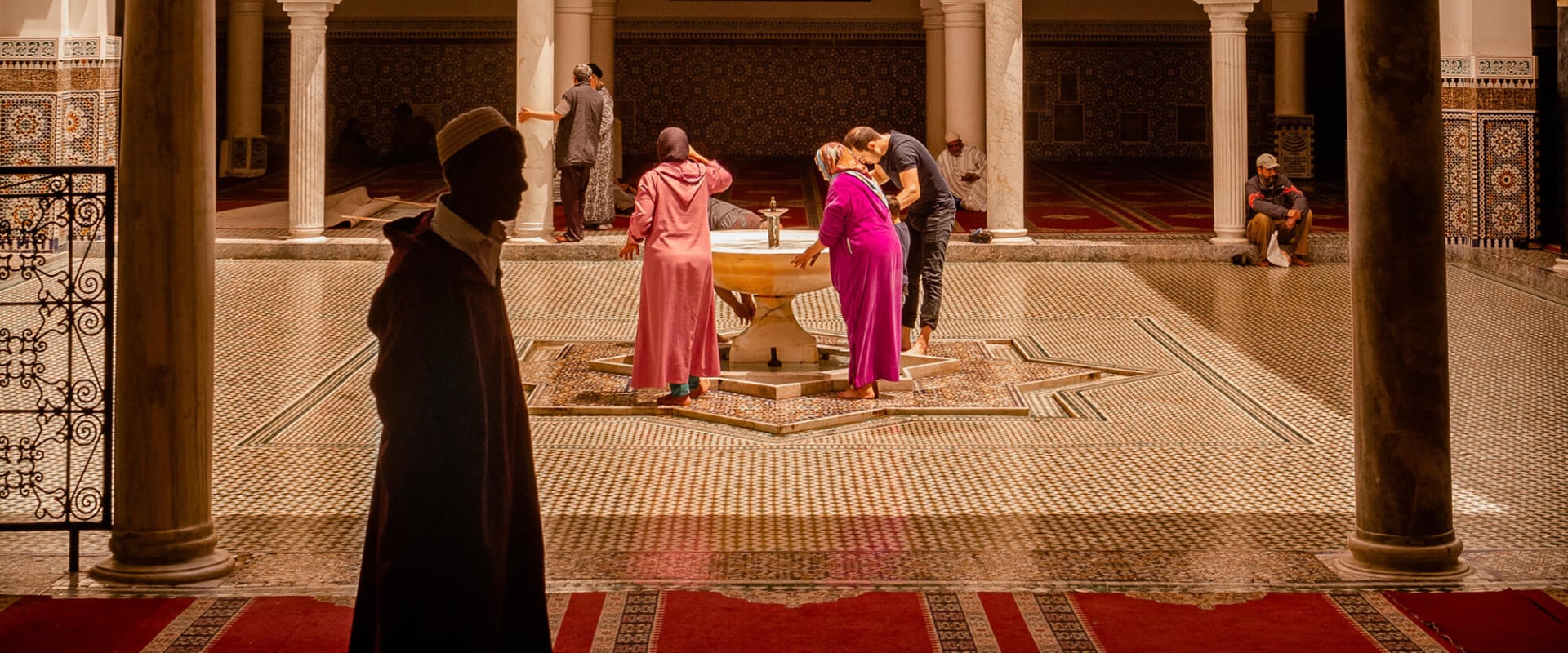
Morocco is a country steeped in rich Islamic traditions , and understanding these religious practices is essential for any traveler seeking to immerse themselves in the local culture. Respecting these customs not only enhances your travel experience but also fosters goodwill and understanding between you and the Moroccan people. One of the most significant aspects of Moroccan culture is the observance of prayer times.Muslims pray five times a day, and during these times, you may notice a shift in the atmosphere as shops close and people head to mosques. As a visitor, it’s important to be mindful of these moments. If you are in a public space, try to maintain a respectful distance from those who are praying, and avoid loud conversations or disruptive behavior.
Dress Code and Modesty
When visiting Morocco, particularly in religious sites or rural areas, dressing modestly is crucial. For women, this often means wearing clothing that covers the shoulders and knees.A headscarf may also be appropriate when entering mosques or other sacred spaces. Men should also dress conservatively, avoiding shorts and sleeveless shirts. This shows respect for local customs and helps you blend in with the community.
Visiting Mosques
While many mosques in Morocco are open to non-Muslim visitors, it’s essential to follow specific guidelines:- Remove your shoes: Before entering a mosque, always take off your shoes as a sign of respect.
- Quiet demeanor: Maintain a low voice and avoid disruptive behavior while inside.
- No photography: In many mosques, taking photographs is prohibited. Always ask for permission if unsure.
Researching these details ahead of time can help you plan your visit accordingly.
Ramadan Observance
If your travels coincide with Ramadan , the holy month of fasting for Muslims, it’s vital to be respectful of this practice. During Ramadan, Muslims fast from dawn until sunset, refraining from eating or drinking in public during daylight hours. As a visitor, you should avoid eating or drinking in public spaces during this time. Instead, consider enjoying meals at your accommodation or in private settings. Understanding and respecting these religious practices will not only enrich your experience but also demonstrate your appreciation for Moroccan culture.By being mindful of local customs and traditions, you will foster positive interactions with the locals and create lasting memories during your Morocco safari travel.
Non-Verbal Communication: Gestures and Body Language
In Morocco, non-verbal communication plays a significant role in daily interactions, often conveying messages that words alone cannot express. Understanding the nuances of Moroccan body language and gestures can greatly enhance your experience while traveling through this vibrant country.Common Gestures in Moroccan Culture
- Hand Over Heart: A gesture of appreciation or gratitude, placing your right hand over your heart signifies sincerity and respect. This is often used when thanking someone or acknowledging a kind gesture.
- Finger to Lips: When saying goodbye or expressing a wish to see someone again, touching your fingers to your lips and then extending your hand outward is a common practice. This gesture conveys warmth and goodwill.
-
Pointing: While pointing is generally considered rude in many cultures, in Morocco, it is often used casually among friends.
However, it’s advisable to use your whole hand to gesture towards something rather than just a finger, as this is seen as more polite.
- Nodding and Shaking Head: Nodding typically indicates agreement or understanding, while shaking the head can signify disagreement. However, be mindful that the context can alter the meaning of these gestures.
Body Language Cues
Body language in Morocco is rich with meaning. For instance, maintaining eye contact during conversations shows attentiveness and respect. However, prolonged eye contact may be perceived as confrontational, especially between men and women.
Therefore, it’s essential to balance eye contact with occasional breaks to avoid discomfort.
Another important aspect of body language is personal space. Moroccans tend to stand closer during conversations compared to Western norms. This proximity signifies warmth and friendliness; however, if you feel uncomfortable, it’s acceptable to take a small step back.
Cultural Sensitivity
When engaging with locals, being aware of cultural sensitivities surrounding gestures is crucial. For example, using the left hand for gestures or passing items is considered impolite since the left hand is associated with uncleanliness in Moroccan culture.
Always use your right hand for greetings and exchanges. In summary, understanding non-verbal communication in Morocco enriches your interactions and fosters deeper connections with the locals. By being mindful of gestures and body language cues, you not only show respect for Moroccan customs but also enhance your overall travel experience.
Tips for Engaging with Locals: Building Connections
Engaging with locals during your Morocco safari travel can transform your trip from a mere visit to a profound cultural experience. Building genuine connections requires an understanding of local customs and a willingness to immerse yourself in the community. Here are some practical tips to help you engage respectfully and meaningfully with the people of Morocco.-
Learn Basic Arabic Phrases: Making an effort to learn a few key phrases in Arabic, such as "salam alaikum" (peace be upon you) and "shukran" (thank you), can go a long way in breaking the ice.
Locals appreciate when visitors attempt to speak their language, even if it’s just a few words.
- Be Respectful of Cultural Norms: Understanding and respecting Moroccan customs is crucial. For instance, when entering someone’s home, always remove your shoes. This small gesture shows respect for their space and traditions.
- Participate in Local Activities: Engage in community events or local markets. Whether it’s joining a cooking class or participating in a traditional festival, these activities provide excellent opportunities to meet locals and learn about their way of life.
-
Ask Questions: Show genuine interest in the lives of the people you meet.
Ask about their traditions, daily routines, and local history. Most Moroccans are proud of their culture and will be happy to share their stories with you.
- Be Mindful of Personal Space: While Moroccans are known for their hospitality, it’s important to be aware of personal boundaries. Avoid overly familiar gestures unless you are invited to do so, especially with those of the opposite sex.
-
Share Your Culture: Engaging in a cultural exchange can foster deeper connections. Share stories about your own culture, traditions, or experiences.
This mutual sharing can create bonds that transcend language barriers.
- Practice Patience: Building relationships takes time. Be patient and open-minded as you navigate social interactions. Sometimes, the best connections develop slowly through repeated encounters.
Frequently Asked Questions about Moroccan Etiquette and Greetings
Traveling to Morocco can be an enriching experience, but understanding the local etiquette and greetings is essential for a smooth journey.Here are some frequently asked questions that can help clarify common doubts about Moroccan customs.
What are the common greetings in Morocco?
In Morocco, greetings are an important part of social interaction. The most common greeting is "salam alaikum", which means "peace be upon you." The appropriate response is "wa alaikum salam", meaning "and upon you be peace." Handshakes are typical among men, while women often greet each other with a kiss on both cheeks. It’s advisable to wait for the local to initiate physical contact, especially if you are meeting someone of the opposite sex.Is it necessary to learn Arabic or French?
While many Moroccans speak English, especially in tourist areas, learning a few basic phrases in Arabic or French can greatly enhance your experience. Simple words like "shukran" (thank you) and "afak" (please) show respect and appreciation for the local culture.This effort is often met with warmth and friendliness from the locals.
What should I know about dining etiquette?
Dining in Morocco comes with its own set of customs. It is customary to wash your hands before and after meals, as many Moroccans eat with their hands. Always use your right hand for eating, as the left hand is considered unclean. Additionally, finishing all the food on your plate is seen as a sign of respect for the host's hospitality.Are there any specific gestures I should be aware of?
Yes, gestures play a significant role in Moroccan communication.For instance, placing your right hand over your heart when expressing gratitude conveys sincerity. Another common gesture is touching your fingers to your lips and extending your hand outward when saying goodbye, which signifies warmth and goodwill.
What should I do if I'm unsure about a custom?
If you find yourself uncertain about a particular custom or etiquette, don’t hesitate to ask locals for guidance. Moroccans are known for their hospitality and will appreciate your willingness to learn about their culture. Observing how others interact can also provide valuable insights into appropriate behavior. By familiarizing yourself with these aspects of Moroccan etiquette and greetings, you can ensure a more respectful and enjoyable travel experience in this vibrant country.Conclusion: Embracing Moroccan Culture Through Etiquette and Greetings
As we conclude our exploration of Moroccan culture through the lens of etiquette and greetings, it becomes clear that these elements are not merely formalities but rather vital components of social interaction that reflect the rich heritage and values of the Moroccan people.Understanding and embracing these customs can significantly enhance your experience while traveling in Morocco, particularly during a Morocco safari travel adventure. Throughout this article, we have highlighted several key aspects of Moroccan etiquette that are essential for fostering respectful and meaningful connections with locals. From the importance of greetings to the nuances of dining customs, each practice serves as a window into the heart of Moroccan society. Here are some critical takeaways:
- Respect for Personal Space: Always remember to remove your shoes when entering a home, as this gesture signifies respect for the host's space.
- Greetings Matter: A warm handshake or a kiss on the cheek can go a long way in establishing rapport. Always greet elders first and use appropriate titles to show respect.
- Dining Etiquette: Eating with your right hand and finishing your plate demonstrates appreciation for the meal and the effort put into it.
- Language Appreciation: Learning basic Arabic phrases can enhance your interactions and show locals that you value their culture.
Dressing appropriately not only shows respect but also allows you to engage more fully with the cultural landscape around you. Ultimately, immersing yourself in Moroccan etiquette and greetings is about more than just following rules; it’s about building connections and understanding a way of life that is deeply rooted in tradition. By approaching your travels with an open mind and a willingness to learn, you will find that these experiences enrich your journey far beyond the sights you see. Embrace the warmth and hospitality of Morocco, and let its culture leave a lasting impression on your heart.