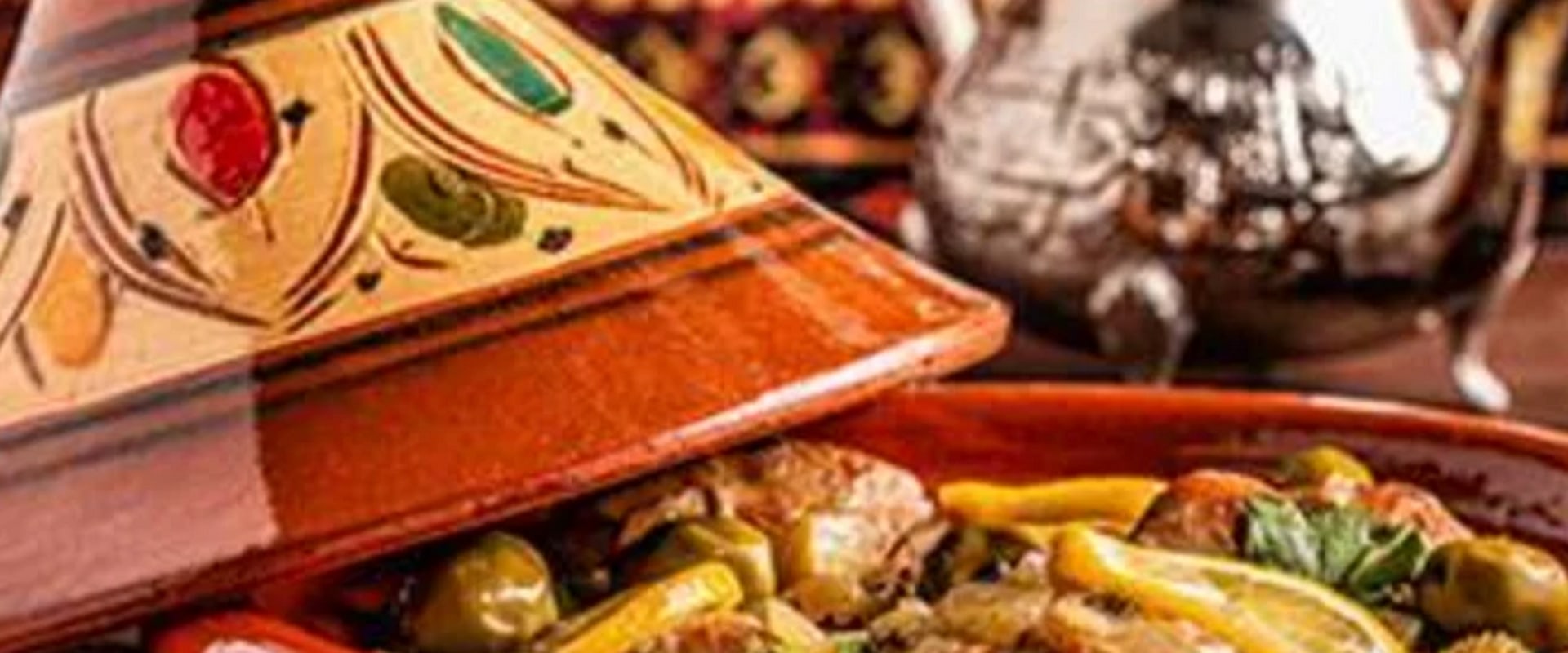
Moroccan cuisine is a vibrant tapestry woven from the threads of diverse cultures, traditions, and histories. It reflects the rich heritage of the country, where Berber, Arab, and Mediterranean influences converge to create a culinary experience that is both unique and deeply rooted in the land. At the heart of this gastronomic journey lies Tagine, a traditional dish that not only showcases the flavors of Morocco but also embodies the warmth and hospitality of its people. Tagine is more than just a meal; it is a symbol of Moroccan food culture, representing communal gatherings and family traditions. This slow-cooked stew, named after the earthenware pot in which it is prepared, features a delightful combination of meats, vegetables, and an array of aromatic spices.
The cooking method allows for the melding of flavors, resulting in a dish that is both comforting and complex. As you savor each bite, you are not just tasting food; you are experiencing a rich narrative that tells the story of Morocco's past and present. The essence of Moroccan cuisine lies in its bold use of spices such as cumin, coriander, saffron, and cinnamon. These ingredients are carefully selected to enhance the natural flavors of the dish while also providing health benefits that have been cherished for generations. The vibrant colors and enticing aromas that waft from a simmering Tagine pot invite you to explore the culinary landscape of Morocco further.
Each region boasts its own variations and specialties, making every Tagine a unique representation of local traditions. As we embark on this journey through the flavors of Morocco, we will delve deeper into the significance of Tagine within Moroccan cuisine. From its historical roots to its modern interpretations, understanding Tagine will enrich your appreciation for this remarkable culinary art form. Join us as we uncover the secrets behind this beloved dish and explore how it connects to the broader tapestry of Moroccan food culture.
The Origins of Tagine: A Culinary Tradition
The history of Tagine is as rich and complex as the flavors it embodies, tracing back to the ancient civilizations that have inhabited Morocco. The origins of this iconic dish can be linked to the Berber people, who have been cooking in clay pots for centuries.These traditional cooking vessels, known as Tagines, are designed to facilitate slow cooking, allowing the ingredients to meld together and develop deep flavors over time. Historically, the Tagine pot's unique conical shape serves a dual purpose: it traps steam and circulates it back into the dish, ensuring that the food remains moist and tender. This method of cooking is not only practical but also reflects a deep understanding of culinary techniques that have been passed down through generations. As Morocco became a crossroads for various cultures due to its strategic location between Europe and Africa, the culinary landscape evolved significantly. The influence of Arab, Mediterranean, and sub-Saharan cuisines introduced new ingredients and spices into Moroccan cooking. The incorporation of spices such as cumin , cinnamon , and saffron into Tagine recipes showcases this fusion of flavors. During the 7th century, with the arrival of Arab traders and settlers, Moroccan cuisine began to take on a more defined character.
The introduction of new cooking methods and ingredients led to the evolution of Tagine from a simple stew into a more sophisticated dish that could include a variety of meats, vegetables, and fruits. This adaptability is one of the reasons why Tagine remains a staple in Moroccan households today. In addition to its culinary significance, Tagine also plays an important role in Moroccan culture. It is often associated with hospitality and communal dining, where families gather around the pot to share meals and stories. This tradition emphasizes the importance of togetherness in Moroccan society. As you explore the flavors of Tagine, you are not just tasting a meal; you are experiencing a piece of Moroccan history.
Understanding its origins enhances your appreciation for this beloved dish and connects you to the rich tapestry of Moroccan culture.
Key Ingredients in Tagine: A Flavorful Symphony
At the heart of every Tagine lies a carefully curated selection of ingredients that come together to create a symphony of flavors. Understanding these key components is essential for anyone looking to master this iconic Moroccan dish.Meats: The Foundation of Flavor
The choice of meat in a Tagine can significantly influence its taste and texture. Common options include:- Lamb: Often considered the traditional choice, lamb is favored for its rich flavor and tenderness when slow-cooked.
- Chicken: A versatile option, chicken Tagine can be prepared with various spices and vegetables, making it a popular choice among many.
- Beef: While less common, beef can also be used, providing a hearty alternative that pairs well with robust spices.
- Fish: In coastal regions, fish Tagine is a delightful variation, often featuring fresh catch seasoned with local spices.
- Vegetarian Options: For those seeking plant-based meals, Tagine can be made with chickpeas, lentils, or an array of seasonal vegetables.
Vegetables: Adding Depth and Nutrition
The vegetables used in Tagine not only enhance the dish's flavor but also contribute to its nutritional value. Commonly included are:- Root Vegetables: Carrots, potatoes, and turnips are frequently used for their ability to absorb flavors and add heartiness.
- Seasonal Vegetables: Ingredients like zucchini, eggplant, and bell peppers can be added based on availability, bringing freshness to the dish.
- Dried Fruits: Apricots, prunes, and raisins are often included to provide a sweet contrast to the savory elements.
The Spice Palette: A Burst of Flavor
No Tagine would be complete without its signature blend of spices.These aromatic ingredients are what truly elevate the dish:
- Cumin: Known for its warm and earthy flavor, cumin is a staple in Moroccan cooking.
- Cinnamon: This sweet spice adds warmth and depth, often balancing out savory flavors.
- Saffron: Renowned for its unique taste and vibrant color, saffron is a luxurious addition that enhances the overall experience.
- Paprika: This spice contributes both color and a mild sweetness to the dish.
- Ginger: Fresh or ground ginger adds a zesty kick that brightens the flavors.
The Art of Cooking Tagine: Techniques and Tips
Cooking Tagine is an art that combines tradition, technique, and a deep appreciation for the ingredients. To create a truly authentic Tagine, it’s essential to understand the methods and tips that can elevate your dish from good to exceptional.Choosing the Right Ingredients
The foundation of any great Tagine lies in the quality of its ingredients.Here are some key points to consider:
- Meat Selection: Opt for cuts that benefit from slow cooking, such as lamb shoulder, chicken thighs, or beef chuck. These cuts become tender and flavorful when cooked over low heat.
- Fresh Vegetables: Incorporate seasonal vegetables like carrots, zucchini, and potatoes. Freshness enhances the overall flavor profile of the dish.
- Aromatic Spices: Use a blend of spices such as cumin, coriander, cinnamon, and saffron. These spices not only add depth but also reflect the rich culinary heritage of Morocco.
Mastering Cooking Techniques
The cooking method is crucial for achieving the perfect Tagine.Here are some techniques to keep in mind:
- Using a Tagine Pot: If possible, use a traditional clay Tagine pot. Its conical shape allows steam to circulate, keeping the dish moist and tender. If you don’t have one, a heavy-bottomed pot can work as an alternative.
-
Layering Ingredients: Start with a base of onions and garlic at the bottom of the pot. Layer your meat on top, followed by vegetables and spices.
This layering helps in even cooking and flavor distribution.
- Low and Slow Cooking: Cook your Tagine on low heat for several hours. This slow cooking process allows flavors to meld beautifully and ensures that tougher cuts of meat become tender.
Tips for Achieving the Best Results
Here are some additional tips to enhance your Tagine cooking experience:- Don’t Rush: Patience is key in cooking Tagine. Allow ample time for the ingredients to cook thoroughly and develop their flavors.
- Taste as You Go: Adjust seasoning throughout the cooking process. This ensures that your dish is perfectly balanced by the time it’s ready to serve.
- Garnish Thoughtfully: Before serving, consider garnishing with fresh herbs like cilantro or parsley, and perhaps some toasted almonds or dried fruits for added texture and flavor.
Exploring Different Variations of Tagine
Tagine is a versatile dish that varies significantly across Morocco, reflecting the country's rich cultural tapestry and regional diversity.Each region boasts its own unique take on this traditional stew, influenced by local ingredients, climate, and culinary traditions.
Types of Tagine
While the classic Tagine often features lamb or chicken, the possibilities are virtually endless. Here are some popular types of Tagine:- Tagine of Lamb with Prunes: This sweet and savory dish combines tender lamb with dried prunes, almonds, and a blend of spices like cinnamon and saffron, creating a delightful contrast of flavors.
- Chicken Tagine with Preserved Lemons: A staple in Moroccan cuisine, this dish features chicken marinated in spices and slow-cooked with preserved lemons and olives, resulting in a tangy and aromatic meal.
- Fish Tagine: Coastal regions often prepare fish Tagine using fresh catch, seasoned with spices and vegetables. The addition of tomatoes and bell peppers enhances the dish's flavor profile.
- Vegetarian Tagine: For those seeking plant-based options, vegetarian Tagines are abundant. Common ingredients include chickpeas, lentils, seasonal vegetables, and an array of spices that create a hearty and satisfying meal.
Vegetarian Tagine Recipes
Vegetarian Tagines are not only delicious but also showcase the vibrant produce available in Morocco.Here are a couple of popular vegetarian recipes:
- Chickpea and Vegetable Tagine: This recipe combines chickpeas with carrots, zucchini, and potatoes, simmered in a fragrant sauce made from cumin, coriander, and turmeric.
- Lentil Tagine: A nutritious option featuring lentils cooked with tomatoes, spinach, and spices like paprika and ginger. This dish is both filling and packed with flavor.
Regional Variations of Tagine
The regional variations of Tagine highlight the local ingredients and culinary practices unique to each area:- Marrakech: Known for its rich flavors, Marrakech often features lamb or chicken Tagines infused with dried fruits like apricots or figs.
- Fes: In Fes, you might find more complex spice blends in their Tagines, often incorporating nuts and fruits to create intricate flavor profiles.
- Souss-Massa: This region is famous for its seafood Tagines due to its proximity to the Atlantic coast. Fresh fish is often paired with local vegetables.
Tagine in Moroccan Culture: More Than Just a Meal
In Morocco, the Tagine is far more than just a dish; it is a profound symbol of the country’s rich cultural heritage and communal values.The preparation and sharing of Tagine encapsulate the essence of Moroccan hospitality, where food serves as a bridge that connects people, families, and communities. The act of cooking Tagine is often a communal affair, bringing together family members and friends in the kitchen. This collaborative process not only fosters a sense of togetherness but also allows for the sharing of culinary traditions passed down through generations. Each family may have its own unique recipe, reflecting personal tastes and regional influences, which adds to the diversity of Moroccan cuisine. When it comes to serving Tagine, the experience is equally communal. Traditionally, it is presented in the same pot it was cooked in, encouraging diners to gather around and share from a common vessel.
This practice emphasizes the importance of community and connection in Moroccan culture. Diners often eat with their hands, using pieces of bread to scoop up the flavorful stew, which further enhances the sense of unity and shared experience. Moreover, Tagine plays a significant role during special occasions and celebrations. Whether it’s a wedding feast, a family gathering, or a religious holiday, Tagine is often at the center of the table. Its presence signifies abundance and generosity, embodying the Moroccan spirit of hospitality.
Guests are treated with great respect and are often served first, highlighting the cultural importance placed on honoring visitors. The significance of Tagine extends beyond mere sustenance; it represents a way of life that values community, tradition, and shared experiences. In Moroccan society, meals are not just about eating; they are about coming together to celebrate life’s moments—big or small. This cultural context enriches one’s understanding of Moroccan cuisine and invites travelers to engage more deeply with local customs. As you embark on your journey through Morocco, embracing the communal aspect of dining will enhance your experience. Participating in a Tagine meal allows you to connect with locals on a personal level, gaining insights into their lives and traditions while savoring one of Morocco’s most beloved dishes.
Pairing Tagine with Traditional Moroccan Sides and Drinks
When it comes to enjoying a delicious plate of Tagine, the experience can be elevated by thoughtfully pairing it with traditional Moroccan sides and drinks.These accompaniments not only enhance the flavors of the Tagine but also provide a more authentic taste of Moroccan culture.
Complementary Side Dishes
Moroccan cuisine is rich in variety, and there are several side dishes that pair beautifully with Tagine. Here are some popular options:- Couscous: Often considered the national dish of Morocco, couscous is a staple that complements Tagine perfectly. The fluffy grains absorb the rich sauces from the Tagine, creating a harmonious blend of flavors.
- Moroccan Bread (Khobz): This traditional round bread is perfect for scooping up the savory stew. Its crusty exterior and soft interior make it an ideal companion to soak up the delicious juices.
- Roasted Vegetables: A medley of seasonal vegetables, such as carrots, zucchini, and bell peppers, roasted with olive oil and spices can add a delightful contrast to the hearty Tagine.
-
Salads: Fresh salads like Salade Marocaine, made with tomatoes, cucumbers, and herbs, provide a refreshing balance to the rich flavors of Tagine.
The acidity from the dressing can cut through the richness of the dish.
Refreshing Drinks to Pair
The right beverage can enhance your dining experience even further. Here are some traditional Moroccan drinks that pair well with Tagine:- Mint Tea: Known as Moroccan whiskey, this sweetened green tea infused with fresh mint is a quintessential drink in Morocco. Its refreshing qualities cleanse the palate and complement the spices in Tagine.
- Pomegranate Juice: This vibrant juice offers a sweet-tart flavor that pairs well with savory dishes. Its bright color and refreshing taste make it an excellent choice alongside Tagine.
-
Fresh Fruit Juices: Seasonal fruit juices, such as orange or lemon, can provide a zesty contrast to the rich flavors of Tagine.
They are often served chilled and can be a delightful way to start your meal.
The Experience of a Morocco Safari: Culinary Adventures Await
Embarking on a Morocco safari travel adventure offers a unique opportunity to explore the breathtaking landscapes and rich cultural heritage of this North African gem. While the stunning vistas and wildlife are undoubtedly captivating, the culinary experiences that await you are equally enticing. Imagine savoring a traditional Tagine after a day spent traversing the Sahara Desert or exploring the Atlas Mountains. adventure offers a unique opportunity to explore the breathtaking landscapes and rich cultural heritage of this North African gem. While the stunning vistas and wildlife are undoubtedly captivating, the culinary experiences that await you are equally enticing. Imagine savoring a traditional Tagine after a day spent traversing the Sahara Desert or exploring the Atlas Mountains.This section delves into how your culinary journey can enhance your safari experience in Morocco. Moroccan cuisine is renowned for its vibrant flavors and aromatic spices, making it an essential part of any travel itinerary. As you venture through the diverse terrains of Morocco, from the bustling markets of Marrakech to the serene dunes of Merzouga, you will encounter a variety of culinary delights that reflect the country’s rich history and cultural influences. One of the highlights of a Morocco safari is the opportunity to indulge in authentic Tagine dishes prepared by local chefs. These stews, slow-cooked in traditional clay pots, are often made with fresh ingredients sourced from local markets. Whether you prefer lamb, chicken, or a vegetarian option, each Tagine is infused with a unique blend of spices that tell a story of Moroccan heritage. To enhance your culinary adventure, consider participating in a cooking class during your travels.
Many local chefs offer hands-on experiences where you can learn to prepare Tagine and other Moroccan dishes. This not only allows you to appreciate the intricacies of Moroccan cooking but also provides insight into the cultural significance of food in Moroccan society. When planning your Morocco safari travel, keep these travel tips in mind:
- Timing: The best time to visit Morocco for a safari is during spring (March to May) or fall (September to November) when temperatures are milder.
- Culinary Tours: Look for guided tours that include culinary experiences, such as market visits and cooking classes.
- Local Cuisine: Don’t miss out on trying other Moroccan specialties like couscous, pastilla, and harira soup.
- Stay Hydrated: The desert climate can be dry; ensure you drink plenty of water while enjoying your culinary adventures.
Frequently Asked Questions About Tagine and Moroccan Cuisine
When it comes to exploring the rich tapestry of Moroccan cuisine, particularly the iconic dish of Tagine, many questions arise.This section aims to address some of the most frequently asked questions about Tagine and Moroccan food, providing insights that can enhance your culinary journey.
What is Tagine?
Tagine refers to both a traditional Moroccan dish and the earthenware pot in which it is cooked. The pot features a conical lid that allows steam to circulate, ensuring that the ingredients cook evenly and remain moist. The dish itself typically consists of meat (such as lamb, chicken, or beef), vegetables, and a variety of spices.What are the key spices used in Tagine?
The flavor profile of Tagine is largely defined by its spices. Commonly used spices include:- Cumin : Adds warmth and earthiness.
- Cinnamon : Provides a sweet and aromatic note.
- Ginger : Offers a zesty kick.
- Turmeric : Imparts a vibrant color and subtle bitterness.
- Paprika : Contributes sweetness and depth.
Can I make Tagine without a traditional pot?
Absolutely! While a traditional clay Tagine pot is ideal for achieving authentic flavors, you can use a heavy-bottomed Dutch oven or a slow cooker as alternatives.Just ensure that you maintain low heat to replicate the slow-cooking process.
What are some tips for beginners cooking Tagine?
- Choose quality ingredients : Fresh vegetables and high-quality meats will significantly enhance the flavor of your dish.
- Layer your ingredients : Start with tougher vegetables at the bottom, followed by meat, and then softer vegetables on top to ensure even cooking.
- Don’t rush the cooking process : Allow your Tagine to simmer slowly; this is key to developing rich flavors.
- Taste as you go : Adjust seasoning throughout the cooking process to achieve your desired flavor balance.
Is Tagine a healthy dish?
Yes, Tagine can be quite healthy! It often includes a variety of vegetables and lean meats, making it nutrient-dense. Additionally, the use of spices not only enhances flavor but also offers various health benefits. For instance, cumin aids digestion while ginger has anti-inflammatory properties. By understanding these aspects of Tagine and Moroccan cuisine, you can appreciate not just the flavors but also the cultural significance behind this beloved dish. Whether you're preparing it for yourself or sharing it with friends and family, Tagine is sure to be a delightful culinary experience.Conclusion: Savoring the Flavors of Morocco Through Tagine
As we conclude our exploration of Moroccan cuisine, it becomes clear that Tagine is not merely a dish; it is a vibrant representation of Morocco's rich cultural tapestry.This slow-cooked stew, with its aromatic spices and diverse ingredients, encapsulates the essence of Moroccan hospitality and tradition. Each bite offers a glimpse into the heart of a nation that values community, flavor, and history. Throughout this journey, we have uncovered the intricate layers that make Tagine a beloved staple in Moroccan households. From the carefully selected spices like cumin, saffron, and ginger to the communal cooking practices that bring families together, every aspect of Tagine tells a story. It is a dish that transcends mere sustenance; it is an experience that invites you to savor the flavors of Morocco. Moreover, the versatility of Tagine allows for endless culinary creativity.
Whether you prefer lamb, chicken, or a vegetarian option filled with seasonal vegetables and legumes, there is a Tagine recipe to suit every palate. This adaptability not only showcases the diversity of Moroccan ingredients but also reflects the country's ability to embrace various culinary influences over centuries. As you consider your next culinary adventure or travel plans, remember that experiencing Moroccan cuisine through dishes like Tagine is essential. It offers more than just a meal; it provides an opportunity to connect with the culture and traditions of Morocco. The aromas wafting from a simmering Tagine pot are an invitation to gather around the table, share stories, and create lasting memories. In conclusion, whether you are planning a Morocco safari travel experience or simply looking to expand your culinary repertoire at home, make sure to include Tagine on your list.
Embrace the flavors, appreciate the history, and allow yourself to be transported to the bustling markets and warm kitchens of Morocco with every delicious bite.