The Atlas MountainsAtlas Mountains , a majestic range that stretches across Morocco, serve as a breathtaking backdrop for an unforgettable adventure. This stunning region is not only known for its dramatic landscapes, which include towering peaks, lush valleys, and cascading waterfalls, but also for its rich cultural heritage. At the heart of this cultural tapestry lies the Berber culture , one of the oldest and most resilient communities in North Africa. The Berbers, or Amazigh as they call themselves, have inhabited these mountains for centuries, preserving their unique traditions, language, and way of life amidst the changing tides of history. As you embark on your Morocco travel journey, the Atlas Mountains offer a gateway to explore the authentic essence of Berber life.
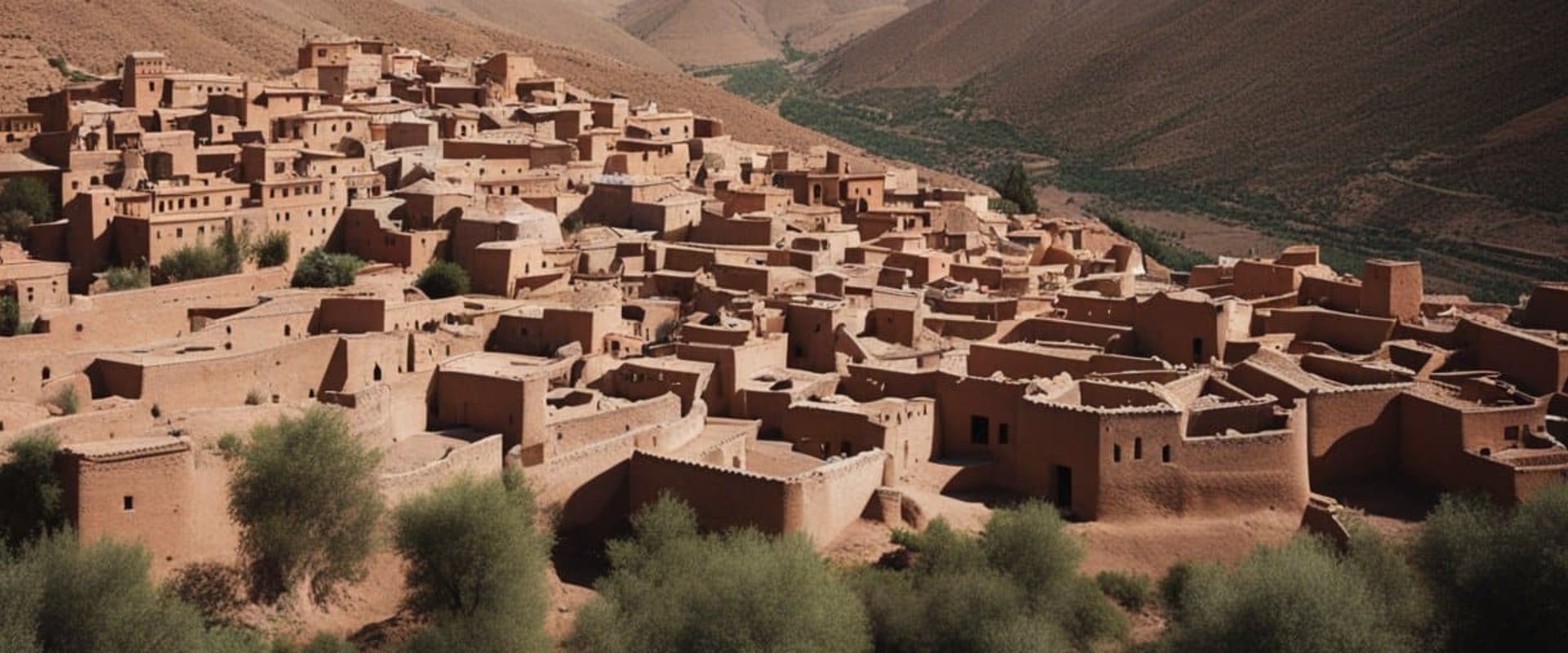
The villages scattered throughout the mountains are characterized by their distinctive mud-brick architecture and vibrant markets filled with local crafts and produce. Here, you will find warm and welcoming communities eager to share their stories and customs with visitors. Staying in a traditional homestay allows travelers to immerse themselves in this rich culture, providing an opportunity to engage with local families and participate in daily activities that reflect the Berber way of life. The significance of Berber culture extends beyond mere hospitality; it encompasses a deep connection to the land and a profound respect for nature. The Berbers have developed sustainable agricultural practices that harmonize with their environment, showcasing their knowledge of local flora and fauna.
As you traverse the winding paths of the Atlas Mountains, you will witness not only stunning vistas but also the enduring spirit of a people who have thrived in this rugged terrain. This journey through the Atlas Mountains is more than just a travel experience; it is an invitation to discover the heart and soul of Morocco through the eyes of its indigenous people.
The Allure of the Atlas Mountains
The Atlas Mountains, a majestic range that stretches across Morocco, are a breathtaking testament to nature's artistry. This stunning geographical feature is not only the highest mountain range in North Africa but also a vibrant ecosystem teeming with diverse flora and fauna. The mountains are characterized by their rugged peaks, deep valleys, and picturesque landscapes that change dramatically with the seasons, offering a visual feast for nature lovers and adventure seekers alike. As you traverse the winding paths of the Atlas Mountains, you will encounter a variety of breathtaking vistas.From the snow-capped summits of the High Atlas to the lush valleys dotted with traditional Berber villages, each turn reveals a new aspect of this enchanting region. The contrast between the arid landscapes and the vibrant greenery of terraced fields creates a striking backdrop for outdoor activities.
Adventure Awaits
The Atlas Mountains are a playground for those seeking adventure. Whether you are an experienced mountaineer or a casual hiker, there are trails suited for every skill level. The most popular trekking route is the ascent to Toubkal , the highest peak in North Africa, standing at 4,167 meters (13,671 feet).This challenging trek rewards climbers with panoramic views that stretch as far as the eye can see. For those who prefer a more leisurely pace, numerous hiking trails wind through scenic valleys and past cascading waterfalls. The Imlil Valley , for instance, offers gentle hikes that allow you to soak in the beauty of your surroundings while interacting with local Berber communities. In addition to hiking and trekking, the Atlas Mountains provide opportunities for mountain biking, rock climbing, and even paragliding for thrill-seekers. The varied terrain caters to all levels of adventurers, ensuring that everyone can find their perfect activity amidst this natural wonder. Wildlife enthusiasts will also find much to admire in the Atlas Mountains. The region is home to unique species such as the Barbary macaque and various birds of prey.
Birdwatching in this area can be particularly rewarding, especially during migration seasons when numerous species pass through. In summary, the Atlas Mountains offer an unparalleled blend of natural beauty and adventure activities that cater to all types of travelers. Whether you seek thrilling outdoor experiences or simply wish to bask in the stunning landscapes, this remarkable region promises an unforgettable journey into the heart of Morocco's wilderness.
Exploring Traditional Berber Villages
The Atlas Mountains are home to a variety of traditional Berber villages, each with its own unique charm and cultural significance. Among these, Imlil and Ait Ben Haddou stand out as prime examples of Berber heritage, offering visitors a glimpse into the rich tapestry of Berber life.Imlil
, often referred to as the gateway to Mount Toubkal, is a picturesque village nestled in the heart of the High Atlas. Surrounded by towering peaks and lush valleys, Imlil serves as a base for trekkers and adventurers.
The village is characterized by its traditional mud-brick houses, which blend seamlessly into the stunning landscape. As you wander through the narrow streets, you will encounter friendly locals who are eager to share their stories and traditions. The vibrant markets are filled with local produce, handmade crafts, and spices that reflect the region's rich agricultural heritage. One of the most enriching experiences in Imlil is staying with a local family in a homestay. This allows you to immerse yourself in the daily life of the Berber people.
You can participate in activities such as cooking traditional meals, tending to livestock, or even learning about local herbal remedies. These interactions provide invaluable insights into Berber culture and foster a sense of community.
Ait Ben Haddou
, on the other hand, is renowned for its stunning kasbahs and UNESCO World Heritage status. This ancient village is a striking example of Moroccan earthen clay architecture and has served as a backdrop for numerous films, including "Gladiator" and "Game of Thrones." The winding alleys and towering structures tell stories of centuries past, where trade routes flourished and cultures intertwined.
Visiting Ait Ben Haddou offers not only a visual feast but also an opportunity to engage with local artisans who continue to practice traditional crafts such as pottery and weaving. You can explore the intricate designs that adorn their products, each telling a story of its own.
Additionally, participating in cultural events or festivals held in Ait Ben Haddou can deepen your understanding of Berber customs and traditions. Both Imlil and Ait Ben Haddou exemplify the resilience and vibrancy of Berber culture. Whether you are hiking through breathtaking landscapes or exploring ancient architecture, these villages provide an authentic experience that connects you to the heart of Morocco's rich heritage.
The Experience of Staying in a Berber Homestay
Staying in a Berber homestay is more than just a place to rest your head; it is an immersive experience that allows you to connect deeply with the local culture and traditions of the Berber people. These homestays are typically family-run, providing a warm and welcoming atmosphere that makes you feel like part of the family from the moment you arrive. One of the most significant benefits of choosing a Berber homestay is the opportunity for cultural immersion. Unlike conventional hotels, where interactions may be limited, a homestay offers a unique chance to engage with your hosts in their daily lives.You can participate in household activities, such as cooking traditional meals or helping with chores, which provides insight into the Berber way of life. During your stay, you might find yourself learning how to prepare classic dishes like tagine or couscous, using fresh ingredients sourced from local markets. Your hosts are often eager to share their culinary secrets, making mealtime not just about eating but also about storytelling and sharing traditions. This hands-on experience enhances your understanding of Berber culture and fosters a genuine connection with your hosts. Moreover, the hospitality of the Berber people is renowned. They take pride in welcoming guests into their homes and ensuring that you feel comfortable and cared for.
You may be invited to join in family gatherings or local celebrations, allowing you to witness firsthand the warmth and vibrancy of Berber community life. In addition to cultural activities, staying in a homestay often provides access to stunning natural surroundings. Many homestays are located near breathtaking landscapes, offering opportunities for hiking, exploring nearby villages, or simply enjoying the serene beauty of the Atlas Mountains. Your hosts can guide you on local trails or recommend hidden gems that only locals know about. Ultimately, choosing a Berber homestay enriches your travel experience in Morocco by providing authentic interactions and unforgettable memories. It allows you to step beyond the tourist path and truly appreciate the rich heritage and lifestyle of the Berber people.
So when planning your Morocco safari travel, consider including a stay in a Berber homestay for an experience that will stay with you long after your journey ends.
Culinary Delights: Savoring Berber Cuisine
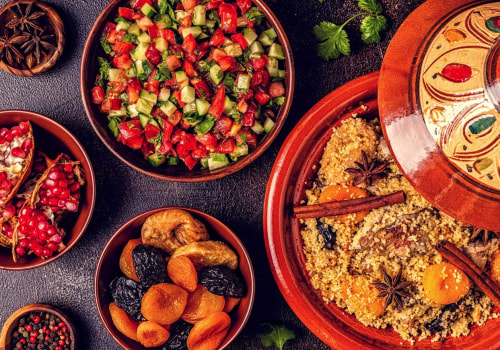
When you embark on a journey through the Atlas Mountains, one of the most enriching experiences awaits you in the form of Berber cuisine. This culinary tradition is not just about food; it is a reflection of the Berber culture, history, and the natural bounty of the region. The flavors, aromas, and cooking techniques are deeply rooted in the land and its people, making every meal a celebration of heritage. At the heart of Berber cuisine are traditional dishes that have been passed down through generations. One of the most iconic dishes is tagine , a slow-cooked stew named after the earthenware pot in which it is prepared.Tagines can be made with various ingredients, including lamb, chicken, vegetables, and an array of spices such as cumin, coriander, and saffron. The result is a dish that is both aromatic and flavorful, often served with fluffy couscous.
Couscous
itself is another staple of Berber meals. Made from semolina wheat, it is typically steamed and served with vegetables and meat. The preparation of couscous is an art form in itself; many families take pride in their unique methods, often involving communal gatherings where everyone participates in the process.
For those eager to dive deeper into Berber culinary traditions, participating in cooking classes during your stay can be an unforgettable experience.
Many homestays offer classes where you can learn to prepare traditional dishes alongside your hosts. This hands-on approach not only teaches you about the ingredients but also allows you to understand the cultural significance behind each dish. Visiting local markets is another excellent way to enhance your culinary adventure. Here, you can find fresh produce, spices, and artisanal products that are essential to Berber cooking. Engaging with local vendors provides insight into their daily lives and culinary practices. In addition to savory dishes, don’t miss out on traditional Berber sweets.
Baklava , made from layers of filo pastry filled with nuts and honey, offers a sweet conclusion to any meal. Sharing these delicacies with your hosts fosters a sense of community and connection. Ultimately, savoring Berber cuisine is about more than just tasting food; it’s about experiencing the warmth and hospitality of the Berber people. Each meal shared is a story told through flavors and traditions that have stood the test of time. So as you explore the Atlas Mountains, make sure to indulge in these culinary delights that will leave you with lasting memories and a deeper appreciation for Moroccan culture.
Cultural Experiences in the Atlas Mountains
The Atlas Mountains are not just a feast for the eyes; they are also a vibrant tapestry of Berber traditions that come alive through various cultural experiences.Visitors to this enchanting region have the opportunity to engage with the local culture in meaningful ways, from music and dance performances to lively festivals that celebrate Berber heritage.
One of the most captivating aspects of Berber culture is its music, which is deeply rooted in the history and daily life of the people. Traditional Berber music often features instruments such as the oud, a stringed instrument similar to a lute, and the guembri, a three-stringed bass instrument. These performances are not merely entertainment; they serve as a means of storytelling, conveying tales of love, struggle, and community. Visitors can experience these musical traditions firsthand at local gatherings or during special events.
Dance
is another integral part of Berber culture, with each region showcasing its own unique styles.
The Ahidous dance, for instance, is performed in a circle and involves rhythmic clapping and foot-stomping, often accompanied by traditional songs. Participating in or observing these dances provides an immersive experience that connects visitors to the heart of Berber life. Local festivals are also a highlight for those seeking to delve deeper into Berber culture. Events such as the Imilchil Marriage Festival, held annually in September, attract visitors from all over Morocco and beyond. This festival celebrates love and marriage among the Berber tribes, featuring traditional music, dance, and even matchmaking ceremonies.
Attending such festivals allows travelers to witness the rich customs and communal spirit that define Berber society. In addition to music and dance, visitors can explore local crafts that reflect the artistic heritage of the Berber people. Workshops often offer hands-on experiences in pottery, weaving, and carpet-making, allowing travelers to learn from skilled artisans while gaining insight into the significance of these crafts within Berber culture. Overall, engaging with the cultural experiences in the Atlas Mountains offers a profound understanding of Berber traditions. Whether through music, dance, festivals, or crafts, each interaction enriches your journey and fosters a deeper appreciation for this remarkable heritage.
Adventure Activities in the Atlas Mountains
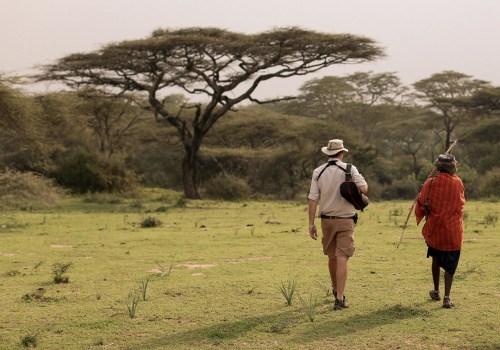
The Atlas Mountains are a haven for adventure enthusiasts, offering a diverse range of activities that cater to all skill levels. Whether you are a seasoned hiker or a casual explorer, the breathtaking landscapes and rich natural beauty of this region provide the perfect backdrop for outdoor adventures.Hiking in the Atlas Mountains is one of the most popular activities, with trails that wind through stunning valleys, past cascading waterfalls, and up to majestic peaks.One of the most renowned hiking routes is the trek to Toubkal, the highest peak in North Africa. This challenging hike typically takes two days and offers panoramic views that are well worth the effort. Along the way, hikers can experience the unique flora and fauna of the region, as well as the warm hospitality of local Berber communities. For those seeking a more leisurely experience, there are numerous trekking routes that are suitable for families and beginners. The trails around Imlil offer gentle slopes and picturesque scenery, making it an ideal starting point for novice hikers.
Here, you can enjoy a day hike to Lake Ifni, where you can relax by the water and take in the stunning mountain vistas. Another fantastic option is the Ait Ben Haddou trek, which combines hiking with cultural exploration. This UNESCO World Heritage site is famous for its ancient kasbahs and stunning architecture. A guided trek through this area not only allows you to enjoy the natural beauty but also provides insight into the rich history and culture of the Berber people. In addition to hiking and trekking, adventure seekers can also indulge in other outdoor activities such as mountain biking , rock climbing , and even camel trekking. The rugged terrain of the Atlas Mountains is perfect for mountain biking enthusiasts looking for thrilling downhill rides or challenging uphill climbs.
For those who prefer climbing, various routes are available that cater to different skill levels, ensuring that everyone can find their perfect challenge. No matter what adventure you choose, exploring the Atlas Mountains promises an unforgettable experience filled with stunning landscapes, rich culture, and exhilarating activities.
Practical Tips for Traveling in the Atlas Mountains
Traveling to the Atlas Mountains can be an exhilarating experience, but it’s essential to prepare adequately to ensure a safe and enjoyable journey. Here are some practical tips to help you navigate this stunning region of Morocco.Best Time to Visit the Atlas Mountains
The ideal time to explore the Atlas Mountains largely depends on the activities you wish to engage in. Generally, the best months to visit are:- Spring (March to May): This season offers mild temperatures and blooming landscapes, making it perfect for hiking and outdoor activities.
- Summer (June to August): While summer can be hot in the valleys, the higher altitudes provide a cooler escape. This is a popular time for trekking, but be prepared for larger crowds.
- Autumn (September to November): Similar to spring, autumn features pleasant weather and fewer tourists, allowing for a more tranquil experience.
-
Winter (December to February): If you enjoy winter sports, this is the time for you.
The mountains receive snowfall, making it ideal for skiing and snowboarding in areas like Oukaimeden.
Safety Tips for Travelers
Your safety is paramount while exploring the Atlas Mountains. Here are some essential safety tips:- Stay Hydrated: The altitude can lead to dehydration, so carry plenty of water with you, especially during hikes.
- Dress Appropriately: Layer your clothing as temperatures can vary significantly between day and night. Sturdy hiking boots are also recommended.
- Know Your Limits: Whether hiking or engaging in other activities, be aware of your physical limits. Choose trails that match your fitness level.
-
Travel with a Guide: Hiring a local guide can enhance your experience and ensure your safety.
They know the terrain well and can provide valuable insights into the culture and environment.
Frequently Asked Questions about Traveling in the Atlas Mountains
Traveling to the Atlas Mountains can be an enriching experience, but it often comes with questions. Here are some frequently asked questions that can help you prepare for your journey and enhance your understanding of Berber culture.What is the best time to visit the Atlas Mountains?
The ideal time to explore the Atlas Mountains is during the spring (March to May) and fall (September to November) months. During these periods, the weather is mild, making it perfect for hiking and outdoor activities.Summer can be quite hot, especially in lower elevations, while winter brings snow to higher altitudes, which is great for skiing but may limit access to some areas.
How do I get to the Berber villages?
Accessing Berber villages typically involves a combination of public transport and guided tours. Many travelers start their journey from Marrakech, where they can take a bus or hire a private driver to reach popular villages like Imlil or Ait Ben Haddou. Once in the region, local guides can provide insights and help navigate the terrain.What should I wear when visiting the Atlas Mountains?
Dress in layers to accommodate changing temperatures throughout the day. Comfortable hiking shoes are essential for exploring rugged paths.Additionally, modest clothing is recommended when visiting Berber villages out of respect for local customs.
Can I engage with local Berber culture?
Absolutely! Engaging with Berber culture is one of the highlights of visiting the Atlas Mountains. You can participate in homestays where you’ll share meals and stories with local families. Many homestays also offer cooking classes where you can learn to prepare traditional dishes like tagine and couscous.Are there any cultural customs I should be aware of?
Yes, understanding local customs can enhance your experience. For instance, it’s customary to greet locals with a handshake or a friendly "Salam." When invited into a home, it’s polite to accept refreshments offered by your hosts.Additionally, always ask before taking photographs of people or their property.
What languages are spoken in the Atlas Mountains?
The primary language spoken in Berber villages is Tamazight , but many locals also speak Arabic and French. Knowing a few basic phrases in these languages can go a long way in building rapport with the locals. By addressing these common questions, you can better prepare for your adventure in the Atlas Mountains and foster meaningful connections with the Berber communities you encounter along the way.Conclusion: Embracing the Spirit of Morocco through its Berber Heritage
As we conclude our journey through the breathtaking Atlas Mountains, it becomes clear that the true essence of Morocco lies in its rich Berber heritage. The Berber villages, with their stunning landscapes and warm hospitality, offer travelers a unique opportunity to connect with a culture that has thrived for centuries. By immersing yourself in the daily lives of the Berber people, you not only gain insight into their traditions but also create lasting memories that will enrich your travel experience. Throughout this exploration, we have highlighted the significance of engaging with local communities.Staying in a homestay allows you to experience authentic Berber life firsthand. From sharing meals prepared with love to participating in traditional crafts, these interactions foster a deeper understanding of the values and customs that define Berber culture. The stories shared by your hosts will resonate long after your visit, reminding you of the warmth and generosity that characterize this remarkable community. Moreover, the Atlas Mountains are not just a backdrop for adventure; they are a living testament to the resilience and creativity of the Berber people. The vibrant markets, intricate handicrafts, and age-old traditions reflect a way of life that is both beautiful and inspiring.
As you trek through the valleys or ascend to majestic peaks, take a moment to appreciate the cultural tapestry woven into every corner of this region. In summary, embracing the spirit of Morocco through its Berber heritage is an invitation to explore beyond the surface. It encourages travelers to seek authentic experiences that foster connection and understanding. Whether you are hiking through stunning landscapes or enjoying a traditional meal with a local family, each moment spent in the Atlas Mountains is an opportunity to celebrate the rich cultural legacy of the Berber people. So as you plan your next adventure, consider embarking on a Morocco safari travel experience that includes a deep dive into Berber culture. The memories you create will not only enhance your journey but also contribute to preserving the traditions of this extraordinary community for generations to come.