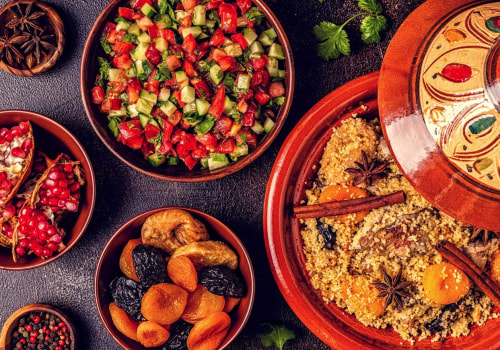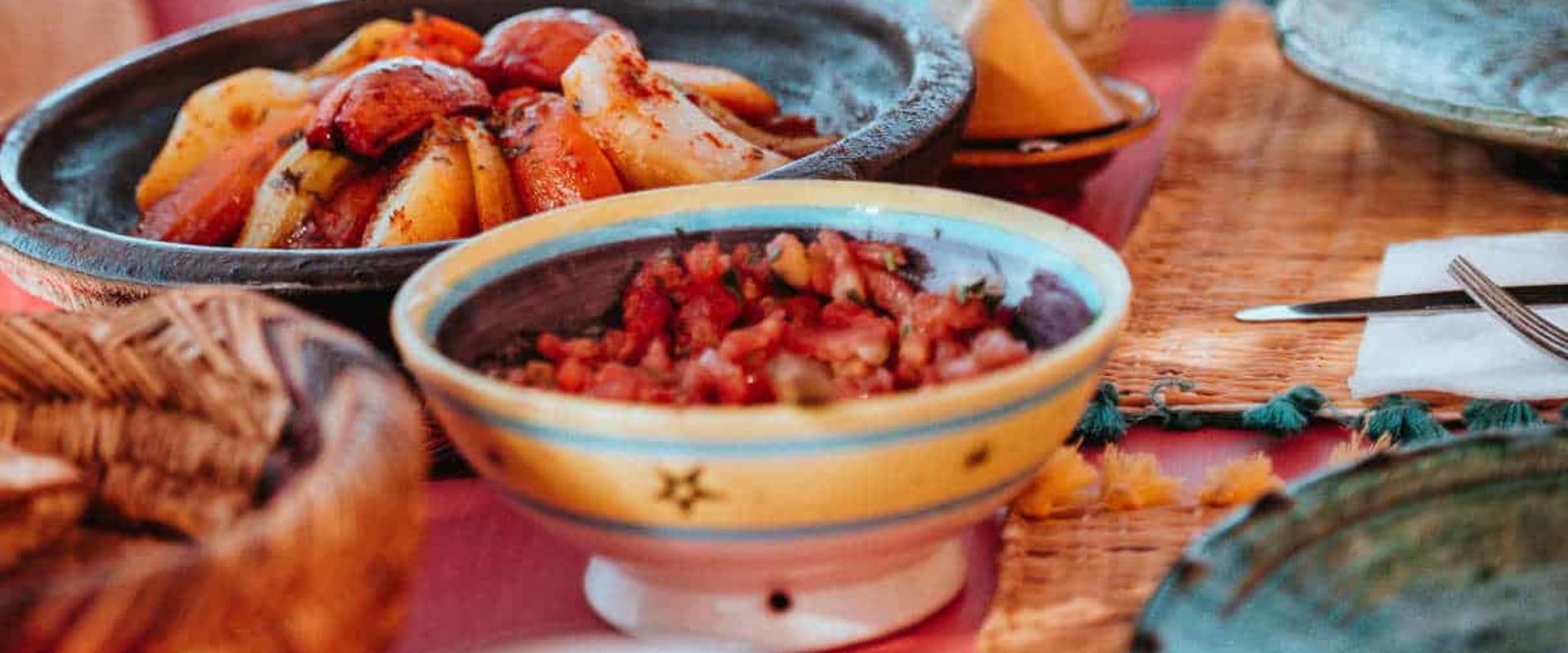
Embarking on a Morocco safariMorocco safari is not just about witnessing the breathtaking landscapes and vibrant culture; it’s also an opportunity to dive deep into the heart of Moroccan cuisine, particularly through the art of is not just about witnessing the breathtaking landscapes and vibrant culture; it’s also an opportunity to dive deep into the heart of Moroccan cuisine, particularly through the art of tagine cooking. The tagine pot, a traditional cooking vessel, is emblematic of Moroccan culinary practices and serves as a bridge connecting travelers to the rich flavors and aromas that define this unique cuisine. As you traverse the diverse terrains of Morocco, from the bustling souks of Marrakech to the serene dunes of the Sahara, the experience of savoring a slow-cooked tagine will undoubtedly enhance your journey. Tagine cooking is more than just a method of preparing food; it is a cultural ritual that embodies the essence of Moroccan hospitality. The conical shape of the tagine pot is designed to trap steam, allowing ingredients to cook slowly and evenly, resulting in dishes that are tender and bursting with flavor.
This technique has been passed down through generations, reflecting the deep-rooted traditions of Moroccan families who gather around the table to share meals prepared in this iconic vessel. During your Morocco safari travel, you will have the chance to not only taste these delectable dishes but also learn about their significance in Moroccan culture. As you prepare for your culinary adventure, consider how tagine cooking encapsulates the spirit of Morocco. Each dish tells a story, often featuring locally sourced ingredients such as succulent meats, fresh vegetables, and aromatic spices that are staples in Moroccan kitchens. Whether you are enjoying a classic lamb tagine infused with cinnamon and apricots or a vegetarian version brimming with seasonal produce, each bite offers a glimpse into the rich tapestry of Moroccan life.
Join us as we explore this fascinating cooking method and discover how it can elevate your experience during your Morocco safari.
Understanding the Tagine Pot
A tagine pot is a traditional Moroccan cooking vessel that has been used for centuries to prepare a variety of dishes. Its unique design and functionality make it an essential tool in Moroccan kitchens, especially for those who appreciate the art of slow cooking. The tagine pot consists of two main parts: a shallow base and a conical lid. This distinctive shape is not just for aesthetics; it plays a crucial role in the cooking process. The base of the tagine is typically made from clay or ceramic, which allows for even heat distribution. is a traditional Moroccan cooking vessel that has been used for centuries to prepare a variety of dishes. Its unique design and functionality make it an essential tool in Moroccan kitchens, especially for those who appreciate the art of slow cooking. The tagine pot consists of two main parts: a shallow base and a conical lid. This distinctive shape is not just for aesthetics; it plays a crucial role in the cooking process. The base of the tagine is typically made from clay or ceramic, which allows for even heat distribution.The conical lid serves to trap steam and moisture, creating a self-basting effect that keeps the food tender and flavorful. As the ingredients cook, steam rises, condenses on the lid, and drips back down into the dish, ensuring that nothing dries out. This method of cooking is particularly beneficial for tougher cuts of meat, as it breaks down fibers and infuses flavors over time. One of the primary benefits of using a tagine pot is its ability to enhance the flavors of the ingredients. The slow cooking process allows spices and herbs to meld together beautifully, resulting in rich and aromatic dishes that are characteristic of Moroccan cuisine.
Additionally, because tagines are designed for low-heat cooking, they require less energy compared to conventional methods, making them an eco-friendly option. Another advantage is the versatility of the tagine pot. It can be used on various heat sources, including stovetops, ovens, and even open flames. This adaptability makes it suitable for both indoor and outdoor cooking, allowing you to enjoy authentic Moroccan meals no matter where you are. In summary, understanding what a tagine pot is and how it functions is essential for anyone looking to explore Moroccan cuisine. Its unique features not only enhance the slow cooking process but also contribute to the overall flavor profile of your dishes.
By incorporating a tagine pot into your culinary repertoire, you can elevate your cooking experience and bring a taste of Morocco into your home.
The Rich History of Tagine Cooking
The art of tagine cooking is steeped in a rich history that reflects the diverse cultural tapestry of Morocco. The tagine pot , with its distinctive conical lid and shallow base, has been a staple in Moroccan kitchens for centuries, serving as both a cooking vessel and a symbol of hospitality. Its origins can be traced back to the ancient Berber tribes of North Africa, who utilized this unique cooking method while leading nomadic lifestyles. These tribes crafted the tagine from clay, allowing them to cook meals over open fires while on the move. The design of the pot is not merely aesthetic; it is functional, enabling even heat distribution and moisture retention, which are essential for slow cooking. As Morocco evolved into a crossroads of cultures—encompassing Arab, Berber, and later European influences—the tagine pot became an integral part of the culinary landscape.Each region developed its own variations of tagine dishes, incorporating local ingredients and spices. This regional diversity is evident in the wide array of tagine recipes available today, from lamb with apricots in Marrakech to fish tagine in coastal Essaouira. The cultural significance of tagine cooking extends beyond mere sustenance. In Moroccan society, sharing a meal prepared in a tagine pot is a profound expression of hospitality and community. It is common for families and friends to gather around a single pot, enjoying not only the food but also the stories and laughter that accompany it.
This communal aspect fosters connections and strengthens bonds among individuals. Moreover, the act of preparing a tagine dish often involves traditional rituals that highlight the importance of fresh ingredients and local produce. Markets bustling with vibrant fruits, vegetables, and spices serve as the backdrop for this culinary experience, emphasizing the connection between food and culture. In summary, understanding the history and cultural significance of tagine cooking enriches one’s appreciation for Moroccan cuisine. It transforms each meal into a celebration of heritage, community, and the timeless art of cooking that has been passed down through generations.
Essential Ingredients for Tagine Dishes
To create an authentic tagine dish that captures the essence of Moroccan cuisine, it is essential to select the right ingredients. The beauty of tagine cooking lies in its ability to blend flavors harmoniously, and this starts with high-quality, fresh components.Below are the key ingredients you should consider when preparing your tagine.
Meats
- Lamb: A traditional choice for many Moroccan tagines, lamb is known for its rich flavor and tenderness when slow-cooked. Cuts like shoulder or shank work particularly well.
- Chicken: Often used in tagines, chicken can be prepared with various spices and vegetables, making it a versatile option. Whole chickens or bone-in pieces are recommended for added flavor.
- Beef: While less common than lamb or chicken, beef can also be used in tagine dishes. Cuts such as chuck roast or brisket are ideal due to their marbling and ability to become tender during slow cooking.
-
Fish: In coastal regions of Morocco, fish tagines are popular.
Varieties like white fish or salmon can be seasoned with spices and cooked with vegetables for a lighter option.
Vegetables
- Root Vegetables: Carrots, potatoes, and sweet potatoes add heartiness to your dish. They absorb flavors beautifully and provide a satisfying texture.
- Onions: Essential for building flavor, onions can be sliced or diced and should be sautéed before adding other ingredients.
- Tomatoes: Fresh tomatoes or canned varieties contribute acidity and sweetness, balancing the richness of the meat.
- Bell Peppers: These add color and sweetness to your tagine. Choose a mix of red, yellow, and green for visual appeal.
Spices
The magic of Moroccan cuisine lies in its spices. Here are some staples you should have on hand:- Cumin: A warm spice that adds depth to your dish.
- Cinnamon: Often used in both sweet and savory dishes, it brings warmth and complexity.
- Tumeric: Known for its vibrant color and health benefits, turmeric adds an earthy flavor.
- Paprika: This spice can range from sweet to smoky, enhancing the overall flavor profile of your tagine.
- Saffron: While more expensive, saffron imparts a unique aroma and golden hue that elevates any dish.
Preserved lemons add a tangy brightness that complements the richness of the meat, while olives provide a briny contrast. By carefully selecting fresh ingredients and quality spices, you will create a tagine that not only tastes incredible but also reflects the rich culinary heritage of Morocco.
Tools and Equipment Needed for Tagine Cooking
To embark on your culinary adventure of tagine cooking, having the right tools and equipment is essential. The unique cooking method employed in a tagine pot requires specific items that not only enhance the cooking process but also ensure that you achieve the authentic flavors of Moroccan cuisine. Below is a comprehensive list of the necessary tools and equipment for successful tagine cooking.1.The Tagine Pot
The centerpiece of your tagine cooking experience is, of course, the tagine pot.This traditional vessel is typically made from clay or ceramic and features a distinctive conical lid. When selecting a tagine pot, consider the following:
- Material: Clay tagines are preferred for their ability to retain heat and moisture, resulting in tender dishes. However, ceramic options are also available and can be more durable.
- Size: Tagines come in various sizes, so choose one that suits your cooking needs. A larger pot is ideal for family meals, while a smaller one is perfect for intimate dinners.
-
Design: Look for a pot with a well-fitted lid to trap steam effectively.
Some pots are beautifully hand-painted, adding an aesthetic touch to your kitchen.
2.Heat Source
While traditional tagines are designed for use over an open flame, modern adaptations allow for versatility:- Stovetop Diffuser: If using a gas or electric stove, a heat diffuser is crucial to distribute heat evenly and prevent cracking.
- Oven: Many tagines can also be used in the oven, making it easy to slow-cook your meals at a consistent temperature.
3.Kitchen Utensils
A few essential kitchen utensils will make your tagine cooking experience smoother:- Wooden Spoon or Spatula: Use these to stir ingredients gently without scratching the surface of your tagine pot.
- Knife and Cutting Board: A sharp knife and sturdy cutting board are necessary for chopping vegetables and preparing meat.
- Measuring Cups and Spoons: Accurate measurements of spices and liquids will help you achieve the perfect balance of flavors.
4.Ingredients
Your choice of ingredients is vital for authentic tagine dishes. Stock up on fresh produce, quality meats, and aromatic spices to create rich flavors that define Moroccan cuisine. By gathering these essential tools and equipment, you will be well-prepared to dive into the art of tagine cooking. This unique method not only allows you to create delicious meals but also connects you with the rich culinary traditions of Morocco.Step-by-Step Guide to Cooking with a Tagine Pot
Cooking with a tagine pot is an art that combines tradition, technique, and the vibrant flavors of Moroccan cuisine. To help you master this unique cooking method, we’ve put together a comprehensive step-by-step guide that will walk you through the process of preparing a delicious tagine dish.Step 1: Gather Your Ingredients
Before you start cooking, it’s essential to gather all the necessary ingredients.A typical tagine dish includes:
- Protein: Choose from chicken, lamb, beef, or fish.
- Vegetables: Common choices are onions, carrots, potatoes, and tomatoes.
- Spices: Use aromatic spices like cumin, coriander, ginger, saffron, and cinnamon to enhance the flavors.
- Liquid: Stock or water is often added to keep the dish moist.
- Optional Ingredients: Consider adding olives and preserved lemons for an authentic touch.
Step 2: Prepare Your Tagine Pot
If you’re using a new tagine pot, it’s crucial to season it before your first use. Soak the pot in water for about an hour. This helps prevent cracking during cooking. After soaking, dry it thoroughly and rub the inside with olive oil.Place it in a cold oven and heat it to 300°F (150°C) for about two hours. This process creates a non-stick surface and prepares your pot for cooking.
Step 3: Layer Your Ingredients
The beauty of tagine cooking lies in its layering technique. Start by placing your protein at the bottom of the pot. Follow this with a layer of vegetables.This method allows the meat to cook slowly while absorbing the flavors from the vegetables above it. Sprinkle your spices evenly over the layers.
Step 4: Add Liquid
Add just enough liquid (water or stock) to cover the bottom of the pot—usually about one cup is sufficient. The steam generated during cooking will keep everything moist without making it soupy.Step 5: Cooking Process
Cover your tagine with its lid and place it on low heat. If using a stovetop, consider using a heat diffuser to distribute heat evenly and prevent burning.Allow your dish to cook slowly for at least one to two hours, depending on the type of protein used. Avoid lifting the lid frequently; this will release steam and affect cooking time.
Step 6: Check for Doneness
After the cooking time has elapsed, check if your dish is ready by ensuring that the meat is tender and easily pulls apart with a fork. The vegetables should be soft but not mushy.Step 7: Serve Your Tagine
Once cooked, serve your tagine directly from the pot for an authentic experience. Traditionally, tagines are accompanied by couscous or crusty bread to soak up the delicious sauce. This step-by-step guide will help you create a flavorful tagine dish that captures the essence of Moroccan cuisine.Enjoy your culinary adventure!
Tips and Tricks for Successful Tagine Cooking
Cooking with a tagine pot can be a rewarding experience, but it does come with its own set of challenges. To help you achieve the best results, here are some essential tips and tricks for successful tagine cooking, along with common mistakes to avoid.Essential Tips for Tagine Cooking
- Choose the Right Heat Source: Tagines are designed for low and slow cooking. Whether you’re using a stovetop or an oven, ensure that the heat is kept low to prevent cracking the pot. If using a stovetop, consider using a heat diffuser to distribute the heat evenly.
-
Layer Ingredients Wisely: Start with denser ingredients like meat at the bottom, followed by vegetables and spices.
This layering allows for even cooking and prevents delicate ingredients from becoming mushy.
- Don’t Overcrowd the Pot: While it may be tempting to fill your tagine to the brim, overcrowding can lead to uneven cooking. Leave enough space for steam to circulate, which is crucial for achieving tender results.
- Use Fresh Ingredients: The quality of your ingredients significantly impacts the final dish. Opt for fresh vegetables, high-quality meats, and aromatic spices to enhance flavors.
- Season Your Tagine: Before its first use, season your tagine pot by soaking it in water for a few hours. This helps prevent cracking and ensures better heat retention during cooking.
Avoiding Common Mistakes
-
Peeking Too Often: It’s natural to want to check on your dish, but lifting the lid releases steam and can disrupt the cooking process.
Trust in the slow cooking method and resist the urge to peek.
- Using Too Much Liquid: One of the beauties of tagine cooking is that it retains moisture. Adding too much liquid can result in a soupy dish rather than a rich stew. Start with minimal liquid and add more only if necessary.
- Ignoring Cooking Times: Each recipe will have its own recommended cooking time based on the ingredients used. Be sure to follow these guidelines closely to avoid undercooking or overcooking your meal.
Enhancing Your Tagine Recipes
-
Add Depth with Spices: Moroccan cuisine is known for its vibrant spices.
Don’t hesitate to experiment with different spice combinations like cinnamon, saffron, or harissa to elevate your dish.
- Incorporate Seasonal Vegetables: Using seasonal produce not only enhances flavor but also adds nutritional value. Visit local markets during your Morocco safari to discover fresh ingredients.
- Pair with Traditional Sides: Serve your tagine with couscous or crusty bread to soak up the delicious sauce. This not only complements the meal but also provides a complete dining experience.
Cultural Immersion Through Tagine Cooking During Your Safari
Engaging in tagine cooking during your Morocco safari offers a unique opportunity to immerse yourself in the rich tapestry of Moroccan culture.Food in Morocco is not merely sustenance; it is a vital part of social life and community bonding. The act of preparing and sharing a meal is steeped in tradition, reflecting the values of hospitality and togetherness that are central to Moroccan society. When you participate in tagine cooking, you are not just learning how to make a dish; you are stepping into a cultural ritual that has been practiced for generations. The communal aspect of cooking and sharing meals is significant in Moroccan culture. Families often gather around the tagine pot, sharing stories and laughter as they enjoy the fruits of their labor.
This shared experience fosters connections, making it an essential part of Moroccan hospitality. As you learn to prepare a tagine, you will discover the importance of using fresh, local ingredients. Markets in Morocco are vibrant with colors and aromas, offering a sensory experience that enhances your understanding of the cuisine. Engaging with local vendors not only enriches your culinary skills but also deepens your appreciation for the cultural significance of food in Morocco. Moreover, cooking classes often include discussions about the history and significance of various ingredients and spices used in Moroccan cuisine. For instance, spices like cumin, cinnamon, and saffron are not just flavor enhancers; they carry stories of trade routes and cultural exchanges that have shaped Moroccan identity over centuries.
Understanding these narratives adds depth to your cooking experience. Participating in tagine cooking during your safari also allows for immersive experiences that go beyond the kitchen. Many cooking classes incorporate visits to local farms or markets, where you can see firsthand how ingredients are sourced and learn about traditional farming practices. This connection to the land enhances your appreciation for the food you prepare. In conclusion, engaging in tagine cooking during your Morocco safari is more than just a culinary activity; it is an enriching experience that connects you to the heart of Moroccan culture. By sharing meals, learning about local customs, and understanding the significance of food, you will leave with not only new culinary skills but also lasting memories and insights into the vibrant culture of Morocco.
Conclusion: Embracing Moroccan Cuisine on Your Safari Adventure
As you prepare for your Morocco safari travel, it’s essential to recognize that the journey is not solely about the breathtaking landscapes and vibrant culture; it’s also about indulging in the rich culinary heritage that Morocco has to offer.Throughout this guide, we have explored the art of slow cooking in a tagine pot, a method that encapsulates the essence of Moroccan cuisine and its deep-rooted traditions. Experiencing traditional Moroccan cuisine through tagine cooking is more than just a meal; it’s an immersive experience that connects you to the heart of Moroccan culture. The tagine pot, with its unique design and historical significance, serves as a bridge between generations, allowing you to savor flavors that have been perfected over centuries. Each dish tells a story, reflecting the diverse influences that have shaped Moroccan culinary practices. During your safari, take the time to engage with local chefs and families who are eager to share their culinary secrets. Participating in a tagine cooking session not only enhances your understanding of the ingredients and techniques but also fosters a sense of community and connection with the people of Morocco.
You’ll learn how to select fresh produce from local markets, understand the importance of spices, and appreciate the meticulous process of preparing a tagine dish. Moreover, sharing a meal cooked in a tagine pot is an act of hospitality that embodies the spirit of Moroccan culture. It’s an opportunity to gather around the table with friends and family, enjoying not just food but also laughter and stories. This communal aspect of dining is integral to Moroccan life and offers a glimpse into the values that define this beautiful country. In conclusion, embracing Moroccan cuisine through slow cooking in a tagine pot during your safari adventure is an enriching experience that will leave lasting memories. As you explore the stunning landscapes and vibrant cities, don’t miss out on the chance to indulge in the flavors of Morocco.
Allow yourself to be captivated by the aromas, textures, and tastes that make this cuisine so unique. Your journey through Morocco will be incomplete without savoring its culinary delights—so pack your appetite and get ready for an unforgettable gastronomic adventure!.