Moroccan cuisine is a vibrant tapestry woven from the threads of history, culture, and geography. It reflects the influences of various civilizations that have passed through this North African land, including Berber, Arab, and Mediterranean cultures. Each region of Morocco boasts its own unique flavors and cooking techniques, making the culinary landscape as diverse as its stunning landscapes. At the heart of this rich culinary heritage lies the art of traditional baking, a method that has been cherished for generations. Traditional baking in Morocco is not merely a cooking technique; it is a cultural ritual that brings families and communities together. Moroccan cuisine is a vibrant tapestry woven from the threads of history, culture, and geography. It reflects the influences of various civilizations that have passed through this North African land, including Berber, Arab, and Mediterranean cultures. Each region of Morocco boasts its own unique flavors and cooking techniques, making the culinary landscape as diverse as its stunning landscapes. At the heart of this rich culinary heritage lies the art of traditional baking, a method that has been cherished for generations. Traditional baking in Morocco is not merely a cooking technique; it is a cultural ritual that brings families and communities together.
The clay ovens, known as tabouna or tandoor , are often built into the ground and serve as the centerpiece for communal meals. These ovens are heated using natural materials, imparting a distinct smoky flavor to the dishes prepared within them. The slow cooking process allows for an exquisite melding of spices and ingredients, resulting in meals that are both aromatic and flavorful. As you embark on a journey through Moroccan cuisine, you will discover that traditional baking plays a crucial role in creating iconic dishes such as tagine , khobz (Moroccan bread), and msemen (flaky pancakes). Each dish tells a story, reflecting the local ingredients and culinary practices that have been passed down through generations.
This section will set the stage for a deeper exploration of Moroccan food culture, highlighting how traditional baking methods not only enhance flavors but also foster connections among people.
The Historical Significance of Traditional Ovens in Morocco
The history of traditional ovens in Morocco is a fascinating journey that reflects the country’s rich cultural tapestry and culinary evolution. These ovens, known as tabouna or tandoor , have been integral to Moroccan cooking for centuries, serving not only as cooking appliances but also as symbols of community and tradition. Historically, the origins of these ovens can be traced back to ancient civilizations that inhabited the region. The Berbers, who are among the earliest inhabitants of Morocco, utilized clay ovens for baking bread and cooking stews. This method was practical, as it allowed for even heat distribution and retained moisture, essential for creating the tender dishes that Moroccan cuisine is known for today. As time progressed, the design and construction of these ovens evolved.Traditionally built into the ground, these clay ovens are shaped like domes, which helps to trap heat effectively. The use of natural materials such as clay and straw not only reflects a sustainable approach to cooking but also connects the culinary practices to the land itself. This connection emphasizes the importance of local resources in Moroccan culture. The cultural significance of traditional ovens extends beyond mere cooking; they are often central to social gatherings and celebrations. In many Moroccan households, baking bread in a tabouna is a communal activity that brings families together.
During special occasions such as weddings or religious festivals, these ovens are used to prepare large quantities of food, reinforcing bonds within communities. Moreover, traditional ovens symbolize hospitality in Moroccan culture. Guests are often welcomed with freshly baked bread or tagine dishes prepared in these ovens, showcasing the host's generosity and culinary skills. This practice highlights how food serves as a medium for connection and sharing among people. In recent years, there has been a resurgence of interest in traditional cooking methods, including the use of tabouna ovens. As more people seek authentic culinary experiences during their travels, understanding the historical context and cultural significance of these ovens becomes essential.
They represent not just a way to cook but a living tradition that continues to shape Moroccan identity.
Types of Traditional Ovens Used in Moroccan Baking
In the diverse culinary landscape of Morocco, the traditional ovens play a pivotal role in shaping the flavors and textures of the dishes. Among the various types of ovens used, two of the most prominent are the tabouna and the tandoor , each with its own unique construction, heating methods, and characteristics.Tabouna: The Heart of Moroccan Baking
The tabouna is a traditional clay oven that has been a staple in Moroccan households for centuries. Typically built into the ground, this oven features a dome-shaped structure made from natural clay and straw. The construction allows for excellent heat retention, which is essential for even cooking. To heat a tabouna, dried wood or charcoal is commonly used. is a traditional clay oven that has been a staple in Moroccan households for centuries. Typically built into the ground, this oven features a dome-shaped structure made from natural clay and straw. The construction allows for excellent heat retention, which is essential for even cooking. To heat a tabouna, dried wood or charcoal is commonly used.The fuel is placed inside the oven, ignited, and allowed to burn until the interior reaches a high temperature. Once heated, the food is placed inside, often covered with a lid or dough to trap steam and enhance flavor. This method not only cooks food evenly but also infuses it with a distinct smoky aroma that is characteristic of Moroccan cuisine.
Tandoor: A Culinary Tradition
The tandoor , while similar to the tabouna, has its roots in various cultures across Asia and the Middle East. In Morocco, it is often used for baking bread and cooking meats.Like the tabouna, the tandoor is also made from clay but typically has a more cylindrical shape. This oven is heated using wood or charcoal as well, but it can also utilize natural heat sources like dried animal dung, which adds an earthy flavor to the dishes. The tandoor's design allows for high temperatures to be achieved quickly, making it ideal for cooking items like khobz (traditional Moroccan bread) and marinated meats.
Unique Characteristics of Clay Ovens
Both the tabouna and tandoor share several unique characteristics that set them apart from modern ovens:- Natural Materials: Made from clay and other natural materials, these ovens are environmentally friendly and sustainable.
- Flavor Enhancement: The use of natural fuels imparts a distinctive flavor to the food that cannot be replicated in electric or gas ovens.
- Cultural Significance: These ovens are not just cooking tools; they represent a rich cultural heritage and are often central to communal gatherings and celebrations.
The Unique Cooking Process in a Traditional Moroccan Oven
Baking in a traditional Moroccan oven is a time-honored process that not only showcases the rich flavors of Moroccan cuisine but also reflects the cultural heritage of the region. The journey begins long before the food enters the oven, with meticulous preparation of both the ingredients and the oven itself. To start, the traditional oven , known as a tandoor or tabouna, is typically constructed from clay and is often built into the ground.This unique design allows for even heat distribution, which is crucial for achieving the perfect bake. Before cooking, the oven must be heated to a high temperature, usually by burning wood or charcoal. This process can take several hours, as the goal is to create a consistent and intense heat that will enhance the flavors of the food. While the oven is heating, attention turns to preparing the ingredients. The choice of ingredients varies widely depending on the dish being prepared, but common staples include:
- Meats: Lamb, chicken, and beef are often marinated with a blend of spices such as cumin, coriander, and saffron.
- Vegetables: Seasonal vegetables like carrots, potatoes, and zucchini are frequently included in tagines.
- Grains: Couscous or bread dough is prepared to accompany main dishes.
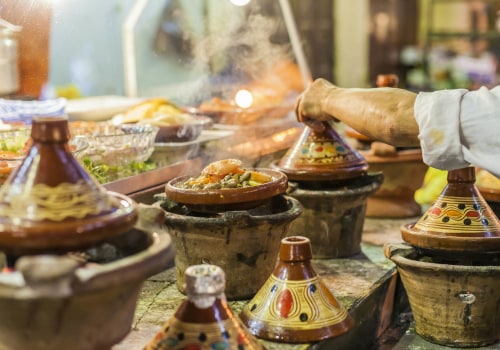
Once marinated, ingredients are typically layered in a tagine, a conical clay pot designed specifically for slow cooking. When the oven reaches optimal temperature, the tagine is placed directly on the hot coals or stones inside. The conical lid traps steam and heat, creating a moist cooking environment that tenderizes meats and melds flavors beautifully. This method not only enhances taste but also preserves nutrients that might otherwise be lost in other cooking methods. The cooking time can vary significantly based on what is being prepared. For instance:
- Meat dishes: These may take anywhere from 1.5 to 3 hours to cook thoroughly.
- Couscous: Typically requires less time, around 30 minutes to an hour.
- Breads: Khobz (Moroccan bread) can bake in as little as 20-30 minutes.
The entire process of baking in a traditional Moroccan oven not only results in delicious food but also fosters community bonds and celebrates culinary traditions that have been cherished for generations.
Popular Dishes Baked in Traditional Ovens
When exploring the culinary landscape of Morocco, it becomes evident that the traditional oven plays a pivotal role in the preparation of some of the country’s most cherished dishes. These recipes not only showcase the rich flavors of Moroccan cuisine but also reflect the cultural significance of communal cooking and sharing meals. Here are some popular dishes that are typically baked in traditional ovens:-
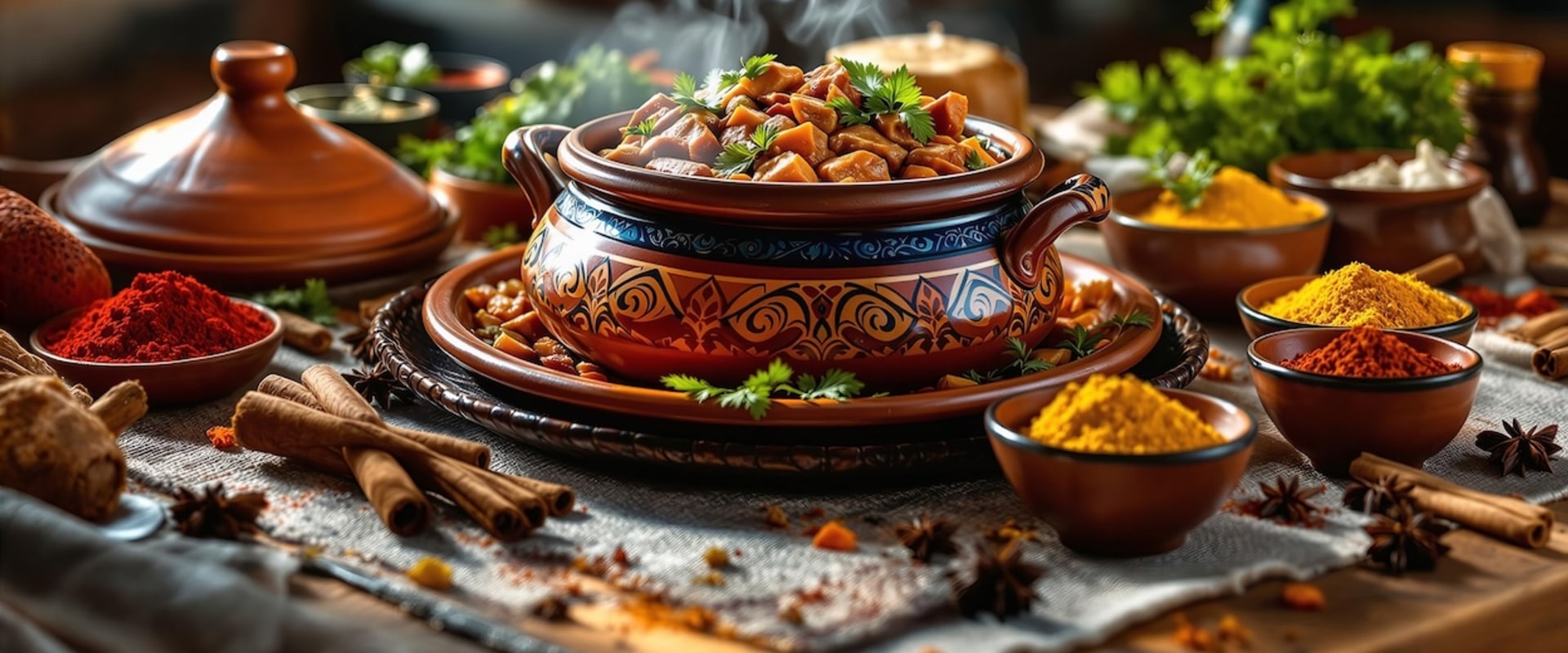
Tagine : Perhaps the most iconic Moroccan dish, tagine refers to both the cooking vessel and the slow-cooked stew itself. Made from clay, the tagine pot features a conical lid that traps steam, allowing for a unique cooking process that melds flavors beautifully.
Common ingredients include lamb, chicken, or fish, combined with an array of vegetables and spices such as saffron, cumin, and preserved lemons. A classic recipe involves marinating chicken with spices and olives, then slow-cooking it in the tagine with onions and garlic until tender.
-
Khobz Bread : This traditional Moroccan bread is a staple at every meal. Baked in a hot clay oven, khobz is made from simple ingredients: flour, water, salt, and yeast. The dough is shaped into round loaves and left to rise before being placed directly on the oven floor.
The result is a crusty exterior with a soft, fluffy interior. Khobz is often used to scoop up tagines or served alongside stews, making it an essential part of Moroccan dining.
-
Msemen : These flaky Moroccan pancakes are a popular street food and breakfast item. Msemen is made from a dough that consists of flour, semolina, water, and salt, which is then rolled out thinly and folded multiple times to create layers. Once cooked in the traditional oven or on a griddle, msemen becomes crispy on the outside while remaining soft inside.
They can be enjoyed plain or filled with savory ingredients like cheese or minced meat.
The Role of Natural Heat Sources in Traditional Baking
In the heart of Moroccan culinary traditions lies the profound use of natural heat sources for baking in traditional ovens. This method not only enhances the flavor of the dishes but also embodies a sustainable approach to cooking that has been practiced for centuries. Traditional Moroccan ovens, often referred to as tabouna or tandoor, are typically constructed from clay and are heated using natural materials such as wood, charcoal, or even dried animal dung. This choice of fuel is significant for several reasons:-
Flavor Enhancement: The use of natural heat sources imparts a unique smoky flavor to the food, which is difficult to replicate with modern electric or gas ovens.
The slow-burning nature of these fuels allows for a gradual infusion of flavors, resulting in dishes that are rich and aromatic.
- Sustainability: Utilizing locally sourced materials for fuel minimizes the environmental impact associated with cooking. By relying on renewable resources like wood and dung, Moroccan cooks contribute to a more sustainable culinary practice that respects the land and its resources.
- Energy Efficiency: Traditional ovens retain heat exceptionally well due to their clay construction. Once heated, they can maintain high temperatures for extended periods, reducing the need for constant fuel replenishment. This efficiency not only conserves energy but also reduces emissions associated with cooking.
In rural areas, where access to modern energy sources may be limited, these traditional methods ensure that communities can continue to prepare their beloved dishes without compromising on flavor or sustainability. Moreover, the communal aspect of using traditional ovens fosters social bonds. Families and neighbors often gather around these ovens, sharing meals and stories while enjoying the warmth and aroma of freshly baked bread or tagines. This practice not only preserves culinary heritage but also strengthens community ties. In conclusion, the role of natural heat sources in traditional Moroccan baking is multifaceted. It enhances flavor, promotes sustainability, and fosters community connections.
As we explore Moroccan cuisine through its traditional baking methods, we gain insight into a culinary practice that is as much about culture and community as it is about food.
Cultural Experiences: Baking as a Community Activity
Baking in traditional ovens in Morocco is not merely a culinary task; it is a vibrant community activity that embodies the essence of Moroccan hospitality and cultural traditions. This communal approach to cooking fosters relationships among family members, friends, and neighbors, creating a sense of belonging and shared experience. In many Moroccan villages, the act of baking is often a collective effort. Families gather to prepare meals, with each member contributing their skills and knowledge. This collaboration not only enhances the flavors of the dishes but also strengthens familial bonds.For instance, while one person kneads the dough for khobz (traditional bread), another might be preparing the ingredients for a savory tagine. The kitchen becomes a lively space filled with laughter, stories, and the rich aromas of spices. Moreover, baking in traditional ovens is often an occasion for neighbors to come together. It is common for women in a community to share their ovens, especially during festive seasons or special events. This practice not only maximizes the use of these ovens but also reinforces social ties.
As they wait for their dishes to cook, they engage in conversations, share recipes, and exchange tips on cooking techniques. Such interactions are vital in preserving cultural traditions and passing them down through generations. The significance of baking as a communal activity extends beyond mere food preparation; it reflects the core values of Moroccan hospitality. When guests arrive, it is customary for hosts to offer freshly baked goods as a gesture of welcome. The act of sharing food symbolizes generosity and warmth, inviting guests to partake in the rich tapestry of Moroccan culture. In essence, baking in traditional ovens serves as a microcosm of Moroccan society—where food acts as a bridge connecting people, fostering community spirit, and celebrating cultural heritage.
Whether it’s during everyday meals or special occasions, the communal aspect of baking enriches the culinary experience and highlights the importance of togetherness in Moroccan life.
Tips for Experiencing Traditional Baking in Morocco
Experiencing traditional baking in Morocco is a delightful journey that immerses you in the country’s rich culinary heritage. Here are some practical tips to help you make the most of your adventure:- Seek Out Local Bakeries: One of the best ways to experience traditional baking is by visiting local bakeries, known as boulangeries. These establishments often use traditional ovens and offer a variety of freshly baked goods, including khobz (Moroccan bread) and msemen (layered pancakes). Ask locals for recommendations to find the best spots.
-
Participate in a Cooking Class: Many culinary schools and local chefs offer cooking classes that include hands-on experiences with traditional baking.
This is an excellent opportunity to learn about the ingredients, techniques, and cultural significance of Moroccan baked goods while enjoying a meal you’ve prepared yourself.
- Visit Rural Villages: If your travel itinerary allows, venture into rural areas where traditional baking methods are still prevalent. In these villages, you can witness the process of baking in clay ovens firsthand and even participate in communal baking sessions, which are often a social event.
- Attend Local Festivals: Keep an eye out for food festivals or cultural events during your visit. These gatherings often showcase traditional baking alongside other culinary delights, providing a unique opportunity to taste various dishes and learn about their preparation.
- Engage with Local Families: If possible, connect with local families who are willing to share their culinary traditions. Many Moroccans take pride in their cooking and would be delighted to invite you into their homes for a meal that includes freshly baked bread or pastries.
-
Explore Markets: Visit local souks (markets) where you can find an array of baked goods.
Not only will you get to taste delicious treats, but you’ll also have the chance to interact with vendors who can share stories about their baking practices.
Conclusion: The Enduring Legacy of Traditional Baking in Morocco
As we conclude our exploration of the art of baking in a traditional oven, it becomes clear that this method is not merely a cooking technique but a vital thread woven into the fabric of Moroccan culture and identity. The enduring legacy of traditional baking in Morocco is a testament to the resilience and adaptability of its people, who have preserved their culinary heritage through generations. The traditional oven, or tabouna, serves as more than just a cooking appliance; it is a symbol of community, hospitality, and cultural pride. Families gather around these ovens, sharing meals that are rich in flavor and history.Each dish prepared in these clay ovens tells a story, reflecting the diverse influences that have shaped Moroccan cuisine over centuries. Moreover, the unique techniques employed in traditional baking—such as the use of natural heat sources and clay pots—highlight the deep connection between Moroccans and their environment. This sustainable approach not only enhances the flavors of the food but also fosters a sense of responsibility towards preserving natural resources. In an age where modern cooking methods dominate, the significance of traditional baking cannot be overstated. It offers a glimpse into Morocco's past while providing a sensory experience that modern appliances often fail to replicate. The smoky aroma, the tender textures, and the vibrant flavors are all hallmarks of dishes that have been lovingly crafted in these time-honored ovens. As travelers embark on their Morocco safari travel adventures, engaging with local culinary practices becomes an enriching experience.
Learning about traditional baking methods not only deepens one’s appreciation for Moroccan cuisine but also fosters cultural exchange and understanding. In summary, the legacy of traditional baking in Morocco is one that deserves to be celebrated and preserved. It is an integral part of the nation’s identity, offering insights into its history, culture, and values. By embracing these time-honored techniques, we ensure that future generations can continue to enjoy the rich tapestry of flavors that define Moroccan cuisine.