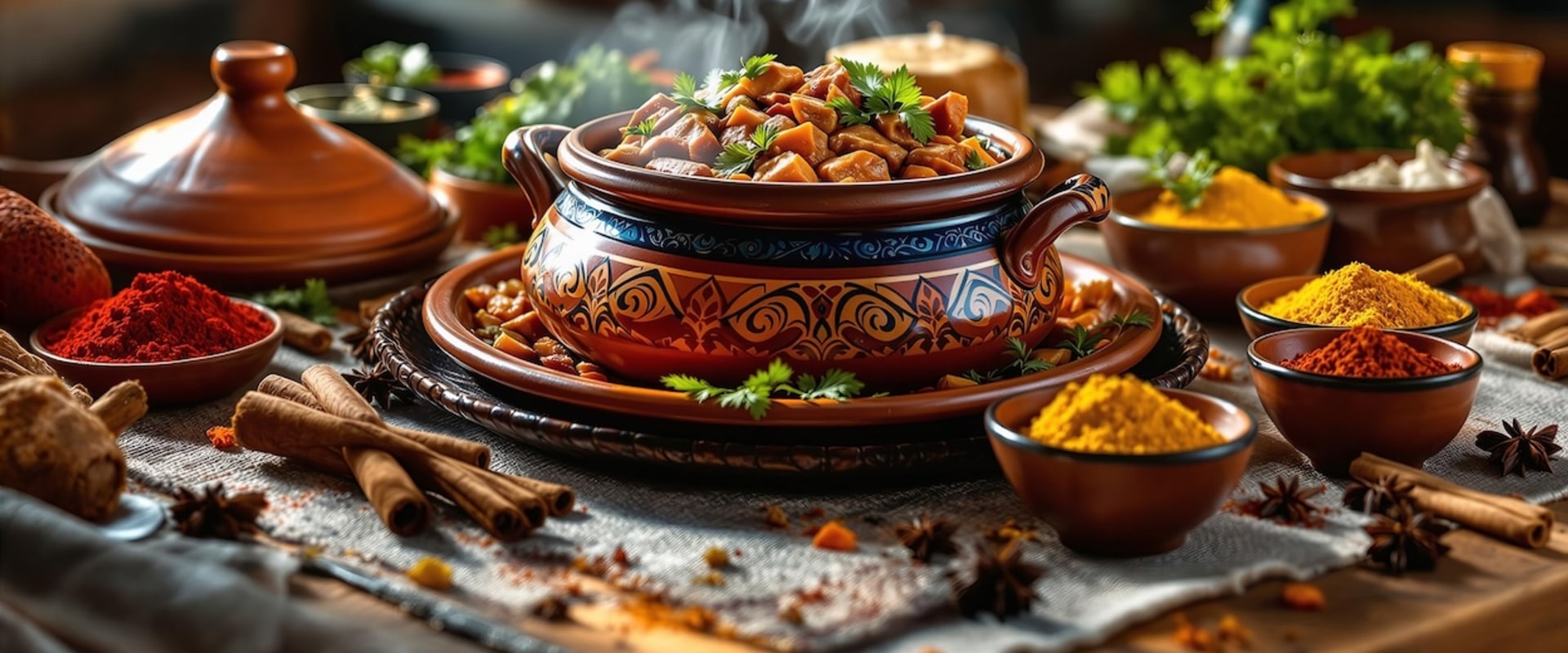
Moroccan cuisine is a captivating tapestry woven from the threads of history, geography, and cultural exchange. Nestled at the crossroads of Europe, Africa, and the Middle East, Morocco has been influenced by a myriad of civilizations, each leaving its mark on the culinary landscape. From the Berbers and Arabs to the French and Spanish, these diverse influences have created a rich and vibrant food culture that is as varied as the country's stunning landscapes.At the heart of Moroccan cooking lies an array of bold flavors and aromatic spices that tantalize the senses. The use of spices such as Moroccan cuisine is a captivating tapestry woven from the threads of history, geography, and cultural exchange. Nestled at the crossroads of Europe, Africa, and the Middle East, Morocco has been influenced by a myriad of civilizations, each leaving its mark on the culinary landscape. From the Berbers and Arabs to the French and Spanish, these diverse influences have created a rich and vibrant food culture that is as varied as the country's stunning landscapes.At the heart of Moroccan cooking lies an array of bold flavors and aromatic spices that tantalize the senses. The use of spices such as cumin, cinnamon, coriander, and saffron not only enhances the taste of dishes but also reflects the historical trade routes that brought these ingredients to Moroccan kitchens.
The art of seasoning is a hallmark of Moroccan cuisine, where each dish tells a story through its unique blend of spices, herbs, and fresh ingredients.Traditional cooking methods also play a significant role in shaping the flavors of Morocco. The use of tagines—clay pots designed for slow-cooking—allows for the melding of flavors over time, resulting in tender meats and richly flavored stews. Coupled with staples like couscous and bread, these dishes form the foundation of Moroccan meals, often enjoyed communally to foster a sense of togetherness.As we embark on this culinary journey through Morocco, we will explore not only the iconic dishes that define its cuisine but also the cultural traditions that accompany them. From festive celebrations to everyday meals, Moroccan food is a reflection of its people’s hospitality and love for sharing.
Join us as we delve deeper into the flavors of Morocco, uncovering the stories behind each dish and celebrating the vibrant culinary heritage that continues to thrive today.
The Essence of Moroccan Flavors
To truly appreciate the rich tapestry of Moroccan cuisine, one must delve into the essential spices and ingredients that define its unique flavor profiles. Moroccan cooking is renowned for its bold and aromatic spices, which not only enhance the taste of dishes but also reflect the country’s diverse cultural influences.Saffron
, often referred to as the world’s most expensive spice, plays a pivotal role in Moroccan cooking. This delicate thread-like spice is derived from the flower of Crocus sativus and imparts a distinct golden hue and a subtle earthy flavor to dishes. Saffron is commonly used in tagines and rice dishes, elevating them to a level of sophistication that is characteristic of Moroccan cuisine.
Cumin
is another cornerstone of Moroccan flavor.
Its warm, nutty aroma adds depth to various dishes, from stews to spice blends like ras el hanout. This versatile spice is often toasted before being ground to release its essential oils, enhancing its flavor profile. Cumin not only contributes to the savory notes of Moroccan dishes but also aids in digestion, making it a staple in many households.
Preserved lemons
are a quintessential ingredient in Moroccan cooking, offering a unique tangy flavor that brightens up many dishes. The preservation process involves curing fresh lemons in salt and their own juices, resulting in a soft texture and intense flavor.
Preserved lemons are commonly used in tagines, salads, and marinades, providing a burst of citrusy goodness that complements the richness of meats and vegetables.Other notable spices include cinnamon , which adds warmth and sweetness to both savory and sweet dishes; ginger , known for its zesty kick; and paprika , which contributes a mild heat and vibrant color. These spices are often combined with fresh herbs like cilantro and parsley , further enhancing the aromatic experience of Moroccan meals.The use of nuts , such as almonds and walnuts, also plays a significant role in Moroccan cuisine. They are often incorporated into both savory dishes and desserts, adding texture and richness. Dried fruits like apricots, raisins, and dates are frequently used as well, providing natural sweetness that balances the spices.In summary, the essence of Moroccan flavors lies in its diverse array of spices and ingredients.
Each element contributes to the complexity and depth of Moroccan cuisine, making it an exciting culinary adventure for anyone willing to explore its rich traditions.
Signature Dishes of Morocco
Moroccan cuisine is a tapestry of flavors, colors, and aromas, with each dish telling a story of the country’s rich cultural heritage. Among the most iconic dishes that define this culinary landscape are tagine and couscous , both of which hold significant places in Moroccan tradition.Tagine: A Culinary Marvel
The tagine is not just a dish; it is also the name of the earthenware pot in which it is cooked. This unique cooking vessel features a conical lid that allows steam to circulate, ensuring that the ingredients remain moist and flavorful. Tagine dishes can vary widely, incorporating a range of meats, vegetables, and spices.Common ingredients include:- Lamb - Often paired with prunes or apricots for a sweet-savory combination.
- Chicken - Frequently cooked with preserved lemons and olives, offering a zesty flavor profile.
- Vegetables - A medley of seasonal vegetables can be used for a hearty vegetarian option.
- Seafood - Coastal regions may feature fish tagines, seasoned with local spices.
Spices such as cumin, coriander, saffron, and cinnamon are essential, contributing to the dish's aromatic quality. Cooking time can vary from one to several hours, allowing the flavors to meld beautifully.
Couscous: The Heart of Moroccan Meals
Couscous
, often regarded as Morocco's national dish, is made from steamed semolina wheat granules. Traditionally served on Fridays after prayers, couscous is more than just food; it symbolizes community and hospitality.The preparation process involves:
- Steaming: Couscous grains are steamed over a simmering stew, absorbing rich flavors from the broth below.
- Fluffing: After steaming, the grains are fluffed with a fork to achieve a light and airy texture.
- Serving: Couscous is typically served with a variety of toppings such as vegetables, meats, or even sweet ingredients like raisins and almonds.
Their preparation methods and cultural importance make them not only delicious but also integral to understanding Morocco's vibrant food culture.
Culinary Techniques: Preparing Authentic Moroccan Dishes
To truly appreciate the rich tapestry of Moroccan cuisine, one must delve into the traditional cooking techniques that have been passed down through generations. These methods not only enhance the flavors of the dishes but also reflect the cultural heritage of Morocco. Below, we explore some essential techniques and provide step-by-step guides for preparing popular Moroccan dishes.Tagine Cooking
The tagine is perhaps the most iconic cooking vessel in Moroccan cuisine. This earthenware pot, with its conical lid, is designed to slow-cook food, allowing flavors to meld beautifully.Here’s how to prepare a classic Moroccan tagine:
- Choose Your Ingredients: Common choices include chicken, lamb, or vegetables. Pair with spices like cumin, coriander, and saffron.
- Prepare the Base: Start by heating olive oil in the tagine over medium heat. Add chopped onions and sauté until translucent.
- Add Your Protein: Introduce your meat or vegetables, browning them slightly for added flavor.
- Incorporate Spices: Sprinkle in your spices and mix well to coat the ingredients.
- Add Liquid: Pour in a small amount of broth or water, cover with the lid, and reduce heat to low. Allow it to simmer for 1-2 hours until tender.
Couscous Preparation
Couscous is another cornerstone of Moroccan cuisine.While it can be prepared quickly using instant couscous, traditional methods yield a more authentic texture and flavor. Here’s how to make it from scratch:
- Gather Your Ingredients: You will need semolina flour, water, and salt.
- Moisten the Semolina: In a large bowl, sprinkle water over the semolina while mixing with your fingers until it resembles damp sand.
- Steam the Couscous: Place the moistened semolina in a couscoussier (a two-tiered steamer). Steam for about 20 minutes, then remove and fluff with a fork.
- Add Flavor: Mix in olive oil and season with salt before serving alongside your favorite tagine or stew.
Baking Bread
Bread holds a special place in Moroccan meals, often served as an accompaniment to various dishes. The most common type is khobz, a round loaf that is simple yet delicious.Here’s how to bake it:
- Mix Ingredients: Combine flour, yeast, salt, and warm water in a bowl to form a dough.
- Knead the Dough: Knead for about 10 minutes until smooth and elastic.
- Let It Rise: Cover the dough with a cloth and let it rise in a warm place until doubled in size (about 1 hour).
- Bake: Shape into a round loaf and place on a baking sheet. Bake at 400°F (200°C) for 25-30 minutes until golden brown.
The Role of Food in Moroccan Culture
In Morocco, food is not merely sustenance; it is a vital thread woven into the fabric of daily life and cultural identity. The significance of food in Moroccan culture extends beyond the act of eating; it embodies tradition, community, and celebration.Understanding this cultural context enriches the experience of savoring Moroccan dishes, as each meal tells a story of heritage and togetherness.One of the most striking aspects of Moroccan food culture is the practice of communal dining. Meals are often enjoyed in a shared setting, where family and friends gather around a large platter. This communal approach fosters a sense of unity and connection among diners. Traditionally, meals are served on a low table or directly on the floor, with everyone sitting together to enjoy the food.
Diners typically use their right hand to eat, tearing off pieces of bread or couscous to scoop up flavorful stews and salads.Food plays a central role in Moroccan celebrations and rituals. During significant events such as weddings, religious holidays, and family gatherings, elaborate meals are prepared to honor guests and mark the occasion. For instance, during Eid al-Fitr , which celebrates the end of Ramadan, families prepare special dishes like lamb tagine and sweet pastries to share with loved ones. These meals are not just about nourishment; they symbolize gratitude and the joy of togetherness.Moreover, traditional Moroccan cuisine is steeped in rituals that reflect the country’s diverse cultural influences.
The preparation of food often involves specific customs that have been passed down through generations. For example, the making of couscous is considered an art form that requires skill and patience. It is often prepared by women in a communal setting, where they gather to roll the semolina into tiny grains while sharing stories and laughter.In addition to communal dining practices, Moroccan food culture emphasizes hospitality. Guests are treated with great respect and generosity; it is customary for hosts to offer an abundance of food and drink.
The act of sharing meals with visitors is seen as a reflection of one’s character and social standing.In conclusion, food in Morocco transcends mere consumption; it is a celebration of life, community, and tradition. Whether through communal dining practices or elaborate feasts during special occasions, Moroccan cuisine serves as a powerful reminder of the importance of togetherness in this vibrant culture.
Exploring Moroccan Markets: A Food Lover's Paradise
When it comes to experiencing the rich tapestry of Moroccan cuisine, there’s no better place to start than the bustling markets, known as souks. These vibrant marketplaces are not just shopping destinations; they are a feast for the senses, offering a glimpse into the heart of Moroccan culture and culinary traditions. From aromatic spices to fresh produce, the souks are a food lover's paradise.One of the most famous souks is the Souk Semmarine in Marrakech, where you can find an array of spices, herbs, and local delicacies.As you wander through the narrow alleys, the air is filled with the enticing scents of saffron, cumin, and ras el hanout—a traditional Moroccan spice blend. Be sure to stop by stalls selling dried fruits and nuts, which make for perfect snacks or additions to your cooking.Another must-visit market is the Fes el-Bali in Fes, renowned for its artisanal products. Here, you can discover handmade ceramics, leather goods, and traditional Moroccan sweets. The market is also home to numerous spice vendors who can guide you through their offerings.
Don’t hesitate to ask for samples; tasting is part of the experience!When shopping in Moroccan markets, it’s essential to know what to look for:
- Fresh Produce: Look for vibrant fruits and vegetables that reflect the season. Local farmers often bring their best offerings to market.
- Spices: Seek out unique blends and single spices. Ask vendors about their uses in traditional dishes. Seek out unique blends and single spices. Ask vendors about their uses in traditional dishes.
- Olive Oil: High-quality olive oil is a staple in Moroccan cooking. Look for dark glass bottles that indicate freshness.
- Dried Fruits: These are not only delicious but also a great way to add natural sweetness to your dishes.
- Herbs: Fresh herbs like cilantro and parsley are essential in Moroccan cuisine.
Make sure they are vibrant and fragrant.
Moroccan Cuisine for Travelers: What to Try and Where to Eat
When embarking on a journey through Morocco, indulging in the local cuisine is an essential part of the experience. The country is a treasure trove of flavors, and knowing where to find the best dishes can elevate your travel adventure.Here’s a guide to some of the must-try dishes and the best restaurants to savor authentic Moroccan cuisine.
Must-Try Dishes
- Couscous: Often considered the national dish, couscous is a staple that comes in various forms. Whether served with lamb, chicken, or vegetables, it’s a dish that embodies Moroccan hospitality.
- Tagine: This slow-cooked stew is named after the earthenware pot it’s cooked in. With countless variations, from chicken with preserved lemons to lamb with apricots, tagine is a must for any food lover.
- Bastilla: A unique pastry that combines sweet and savory flavors, bastilla is typically filled with pigeon or chicken and dusted with powdered sugar and cinnamon.
- Harira: A traditional soup made with tomatoes, lentils, chickpeas, and spices, harira is often enjoyed during Ramadan but is delicious year-round.
- Mint Tea: Known as Moroccan whiskey, this sweet mint tea is a symbol of hospitality and is served throughout the day.
Best Restaurants in Morocco
While street food offers an authentic taste of Moroccan culture, dining at renowned restaurants can provide a more refined experience. Here are some top recommendations:- Le Tobsil (Marrakech): Nestled in the heart of the medina, this restaurant offers a traditional Moroccan dining experience with a set menu that includes multiple courses of delicious tagines and desserts.
- Café Clock (Fes): Famous for its camel burger and vibrant atmosphere, Café Clock also hosts cultural events and cooking classes, making it a great spot for foodies.
- Dar Yacout (Marrakech): This opulent restaurant serves an exquisite multi-course meal in a stunning setting.
Reservations are recommended to enjoy their famous tagine dishes.
- Restaurant Al Fassia (Marrakech): Run by women, this restaurant is known for its authentic Moroccan dishes and warm hospitality. Their lamb tagine is particularly popular among locals and tourists alike.
- La Table de la Kasbah (Tangier): Offering breathtaking views of the Mediterranean Sea, this restaurant serves fresh seafood alongside traditional Moroccan fare.
Street Food Adventures
No trip to Morocco would be complete without sampling street food. Here are some iconic street food options to seek out:- Simit: A sesame-covered bread ring that makes for a perfect snack while exploring the bustling streets.
- Merguez: Spicy lamb sausages grilled to perfection and often served in sandwiches or on their own.
- Briouat: These savory pastries filled with meat or cheese are deep-fried and often enjoyed as snacks or appetizers.
Frequently Asked Questions About Moroccan Cuisine
When exploring the vibrant world of Moroccan cuisine, many travelers have questions about the food, dining customs, and dietary options available.Here are some frequently asked questions that can help you navigate your culinary adventure in Morocco.
What are the main ingredients in Moroccan cuisine?
Moroccan cuisine is characterized by its use of fresh, local ingredients. Common staples include:- Couscous: A staple grain made from semolina, often served with meats and vegetables.
- Spices: A variety of spices such as cumin, coriander, saffron, and cinnamon are used to create rich flavors.
- Olive oil: Used for cooking and dressing dishes, it adds depth to many recipes.
- Vegetables: Seasonal vegetables like carrots, zucchini, and eggplant are frequently featured.
- Meats: Lamb, chicken, and beef are commonly used in tagines and stews.
Are there vegetarian options in Moroccan cuisine?
Absolutely! Moroccan cuisine offers a variety of vegetarian dishes that highlight the country's rich agricultural heritage. Some popular vegetarian options include:- Vegetable Tagine: A slow-cooked stew made with a mix of seasonal vegetables and aromatic spices.
- Couscous with Vegetables: Steamed couscous served with a medley of vegetables.
- Briouats: Savory pastries filled with vegetables or cheese.
- Salads: Fresh salads made from tomatoes, cucumbers, and herbs are common starters.
What should I know about dining customs in Morocco?
Dining in Morocco is a communal experience that reflects the country's hospitality. Here are some customs to keep in mind:- Sharing Food: Meals are often served on a large communal plate, encouraging sharing among diners.
- Use of Hands: It is customary to eat with your right hand.
If you're uncomfortable with this practice, feel free to ask for utensils.
- Tipping: Tipping is appreciated in restaurants; rounding up the bill or leaving a small percentage is customary.
Conclusion: Savoring the Flavors of Morocco
As we conclude our exploration of Moroccan cuisine, it becomes clear that the flavors of this vibrant culture are not just about food; they are a celebration of history, tradition, and community. From the aromatic spices that define each dish to the communal rituals surrounding meals, Moroccan cuisine offers a unique culinary experience that is both rich and diverse.Throughout this article, we have delved into the significance of couscous, a staple that embodies the essence of Moroccan cooking. Its preparation is an art form, often involving family and friends in a communal effort that strengthens bonds and fosters a sense of togetherness.Whether enjoyed during special occasions or as a daily meal, couscous serves as a reminder of the importance of sharing food and stories.Moreover, we have highlighted various ways to savor couscous, from hearty meat dishes to refreshing salads and even sweet variations. Each preparation reflects the regional influences and personal touches that make Moroccan cuisine so captivating. The versatility of couscous allows it to cater to different tastes and dietary preferences, making it accessible to everyone.For those planning a Morocco safari travel adventure, indulging in local cuisine is an essential part of the journey. Visiting bustling markets, dining in traditional restaurants, or enjoying street food can provide an authentic taste of Morocco's culinary landscape.
Each bite tells a story, connecting you to the land and its people.In addition to experiencing these flavors while traveling, bringing Moroccan cuisine into your home can be equally rewarding. By preparing dishes like couscous or tagine, you can recreate the warmth and hospitality of Moroccan culture in your own kitchen. Experimenting with spices and ingredients will not only enhance your culinary skills but also allow you to share these rich flavors with family and friends.In summary, savoring the flavors of Morocco is about more than just enjoying delicious food; it is about embracing a way of life that values community, tradition, and shared experiences. Whether you find yourself in the heart of Marrakech or at your dining table at home, let the vibrant tastes of Moroccan cuisine inspire you to explore new culinary horizons.