When it comes to travel, few destinations offer the rich tapestry of experiences that Morocco safari travelMorocco safari travel does. Nestled at the crossroads of Europe and Africa, Morocco is a land where ancient traditions meet vibrant modernity, creating a unique cultural immersion that captivates every traveler. From the bustling souks of Marrakech to the serene sands of the Sahara Desert, each corner of this enchanting country tells a story waiting to be discovered. One of the most compelling aspects of a safari in Morocco is the opportunity to engage with its diverse landscapes. Picture yourself traversing the rugged Atlas Mountains, where Berber villages dot the hillsides, or exploring the vast expanses of the Sahara, where golden dunes stretch as far as the eye can see.
These breathtaking settings not only provide stunning backdrops for adventure but also serve as gateways to understanding the rich cultural heritage that defines Morocco. As you embark on your journey through Morocco, you will find that cultural immersion is at the heart of every experience. Whether it's sharing a traditional meal with a local family, participating in age-old crafts, or attending vibrant festivals that celebrate Moroccan life, each moment offers a deeper connection to the people and their customs. This is not just a trip; it’s an invitation to step into a world where history and hospitality intertwine seamlessly. In this article, we will delve into various facets of Morocco safari travel, highlighting how these experiences can enrich your understanding of this fascinating country. From exploring its historical sites to engaging with its diverse communities, prepare to embark on an unforgettable journey that promises not only adventure but also profound cultural insights.
The Allure of Moroccan Landscapes
Morocco is a land of breathtaking contrasts, where diverse landscapes come together to create a stunning backdrop for any Morocco safari travel experience.From the vast stretches of the Sahara Desert to the majestic peaks of the Atlas Mountains and the serene coastal regions, each environment offers unique opportunities for exploration and cultural immersion.
The Sahara Desert: A Sea of Sand
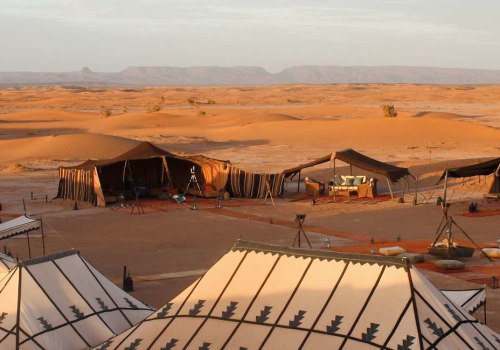
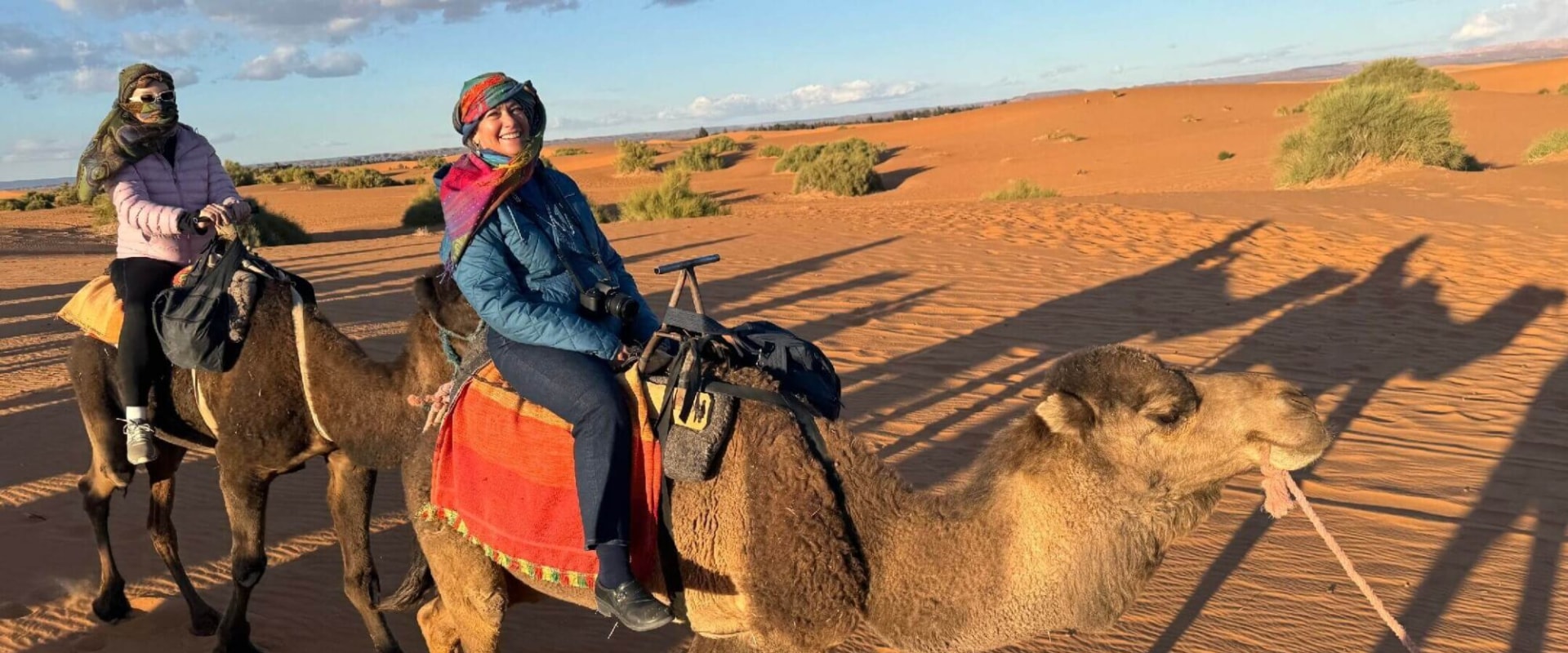
The Sahara Desert, one of the largest deserts in the world, is a must-visit destination for those seeking adventure and tranquility. Its golden dunes, some reaching heights of over 500 feet, create an otherworldly landscape that captivates travelers. A desert safari allows visitors to traverse these dunes on camelback or in 4x4 vehicles, providing an exhilarating way to experience the vastness of this arid expanse. As the sun sets over the Sahara, the sky transforms into a canvas of vibrant colors, offering a perfect opportunity for stargazing. The clear desert skies reveal constellations that have guided nomadic tribes for centuries.Spending a night in a traditional Berber tent under this celestial display is an unforgettable experience that deepens your connection to Moroccan culture. Spending a night in a traditional Berber tent under this celestial display is an unforgettable experience that deepens your connection to Moroccan culture.
The Atlas Mountains: Nature's Majesty
In stark contrast to the desert, the Atlas Mountains rise dramatically, offering lush valleys and snow-capped peaks. This mountain range is home to several Berber villages where traditional ways of life continue to thrive. Hiking through these mountains not only provides stunning views but also allows travelers to engage with local communities and learn about their customs and traditions. The valleys are dotted with terraced fields and orchards, showcasing Morocco's agricultural heritage. Visitors can participate in local farming activities or enjoy traditional meals prepared with fresh ingredients sourced from the surrounding land. In stark contrast to the desert, the Atlas Mountains rise dramatically, offering lush valleys and snow-capped peaks. This mountain range is home to several Berber villages where traditional ways of life continue to thrive. Hiking through these mountains not only provides stunning views but also allows travelers to engage with local communities and learn about their customs and traditions. The valleys are dotted with terraced fields and orchards, showcasing Morocco's agricultural heritage. Visitors can participate in local farming activities or enjoy traditional meals prepared with fresh ingredients sourced from the surrounding land.The hospitality of the Berber people adds warmth to this immersive experience.
Coastal Regions: A Different Kind of Serenity
Morocco's coastline along the Atlantic Ocean and Mediterranean Sea offers a refreshing contrast to its inland landscapes. Coastal cities like Essaouira and Agadir are known for their beautiful beaches, vibrant markets, and rich history. Here, travelers can indulge in fresh seafood while enjoying stunning ocean views. The coastal regions also provide opportunities for water sports such as surfing and kiteboarding, making them ideal for adventure seekers. The blend of cultural influences from both African and European traditions is evident in the architecture and cuisine found along the coast. In summary, Morocco's diverse landscapes—from the enchanting Sahara Desert to the towering Atlas Mountains and tranquil coastal areas—create a rich tapestry that enhances any Morocco safari travel experience.Each environment not only offers breathtaking beauty but also serves as a gateway to understanding the country's vibrant culture and traditions.
Cultural Encounters on Safari
Embarking on a Morocco safari travel adventure offers more than just breathtaking landscapes; it provides a unique opportunity to engage with the rich tapestry of cultures that define this vibrant nation. One of the most rewarding aspects of such a journey is the chance to interact with local tribes, particularly the Berbers, who have inhabited the region for centuries. The Berber culture is deeply rooted in Morocco's history, and their traditions continue to thrive amidst modern influences. As you traverse the rugged terrains of the Atlas Mountains or the vast expanses of the Sahara Desert, you may encounter Berber villages where time seems to stand still. Here, you can witness traditional practices that have been passed down through generations.Engaging with Berber Communities
Visiting a Berber village allows travelers to immerse themselves in a way of life that is both fascinating and enlightening.You might be invited into a local home, where you can share a meal of couscous or tagine, prepared using age-old recipes. These meals are often accompanied by sweet mint tea, a symbol of hospitality in Moroccan culture. During your visit, take the time to learn about their traditional crafts, such as weaving and pottery. Many Berber women are skilled artisans who create beautiful rugs and textiles that reflect their heritage. Purchasing these handmade items not only supports the local economy but also provides you with a tangible piece of Moroccan culture to take home.
Traditional Practices and Festivals
The Berbers celebrate various festivals throughout the year that showcase their cultural heritage.One notable event is the Imilchil Marriage Festival, where young men and women gather to find potential spouses. This vibrant celebration features music, dance, and traditional attire, offering visitors an authentic glimpse into Berber customs. Additionally, participating in local rituals can deepen your understanding of their spiritual beliefs. Many Berbers practice a form of animism alongside Islam, honoring nature and ancestral spirits. Engaging in these practices respectfully can enhance your cultural experience and foster connections with the community. In conclusion, cultural encounters during your Morocco safari travel are invaluable for enriching your journey.
By interacting with local tribes like the Berbers and embracing their traditional practices, you not only gain insight into their way of life but also contribute to preserving these unique cultures for future generations.
Wildlife and Nature: A Unique Perspective
Morocco's diverse landscapes are home to a rich tapestry of wildlife and natural beauty, making it an exceptional destination for nature enthusiasts and adventure seekers alike. From the rugged Atlas Mountains to the expansive Sahara Desert, the country boasts a variety of ecosystems that support an impressive array of flora and fauna. In the mountainous regions, you can encounter the Barbary macaque , the only species of monkey found in Europe and North Africa. These playful primates thrive in the cedar forests of the Middle Atlas, where they can often be seen foraging for food. Additionally, the mountains are home to numerous bird species, including the majestic golden eagle and the colorful hoopoe , both of which can be spotted soaring through the skies. Traveling southward, the landscape transitions into arid desert terrain, where unique wildlife has adapted to survive in harsh conditions.The Sahara is inhabited by species such as the Saharan silver antelope and various reptiles, including the elusive horned viper. Nature safaris in this region offer travelers a chance to witness these remarkable creatures in their natural habitat while experiencing breathtaking sunsets over endless sand dunes. Morocco's coastal areas also contribute to its biodiversity. The Atlantic Ocean is home to a variety of marine life, including dolphins and whales. Eco-tours along the coast provide opportunities for whale watching and exploring vibrant underwater ecosystems through snorkeling or diving. Conservation efforts are crucial in preserving Morocco's unique wildlife and habitats.
Organizations such as BirdLife International and local NGOs work tirelessly to protect endangered species and promote sustainable tourism practices. Travelers can support these initiatives by participating in eco-friendly tours that prioritize conservation and education. By choosing to engage with Morocco's natural wonders responsibly, visitors not only enrich their own travel experience but also contribute to the ongoing efforts to safeguard this beautiful country's biodiversity for future generations. A safari in Morocco is not just about witnessing wildlife; it’s about understanding and appreciating the delicate balance between nature and culture.
Culinary Adventures in Morocco
Embarking on a Morocco safari travel adventure is not just about exploring the stunning landscapes and rich history; it also offers a unique opportunity to dive into the vibrant world of Moroccan cuisine. The culinary landscape of Morocco is as diverse as its geography, influenced by Berber, Arab, and Mediterranean cultures.This section will guide you through the essential food experiences that will enhance your cultural immersion.
Traditional Dishes to Savor
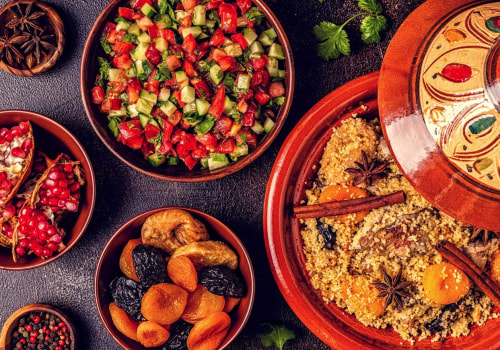
One cannot discuss Moroccan cuisine without mentioning its iconic dishes. Here are some must-try traditional meals:- Couscous: Often considered the national dish, couscous is made from steamed semolina and served with a variety of vegetables and meats, typically lamb or chicken. It is a staple at family gatherings and celebrations.
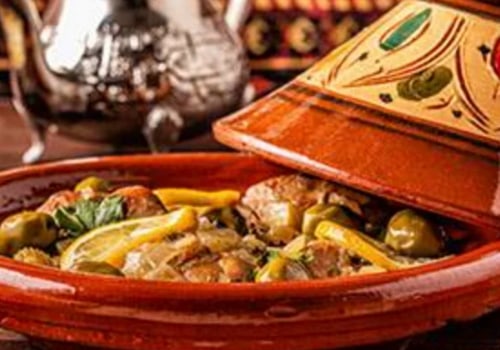
- Tajine: This slow-cooked stew is named after the earthenware pot in which it is cooked. Tajines can be made with various ingredients, including chicken with preserved lemons, lamb with prunes, or vegetarian options featuring seasonal vegetables.
- Bastilla: A savory pie that combines sweet and savory flavors, bastilla is traditionally made with pigeon or chicken, layered with almonds and spices, all encased in flaky pastry.
- Harira: A hearty soup made with tomatoes, lentils, chickpeas, and spices, harira is often enjoyed during Ramadan to break the fast.
Culinary Tours and Cooking Classes
To truly appreciate Moroccan cuisine, consider participating in a culinary tour or cooking class.These experiences allow you to learn about the ingredients and techniques that define Moroccan cooking.
- Culinary Tours: Many local guides offer tours that take you through bustling food markets like the famous souks of Marrakech or Fes. Here, you can sample street food delicacies such as msemen (Moroccan pancakes) and chebakia (fried sesame cookies), while learning about the cultural significance of each dish.
- Cooking Classes: Join a hands-on cooking class where you can learn to prepare traditional dishes under the guidance of local chefs. These classes often include a visit to a market to select fresh ingredients before heading back to the kitchen to create your own Moroccan feast.
The Vibrant Food Markets
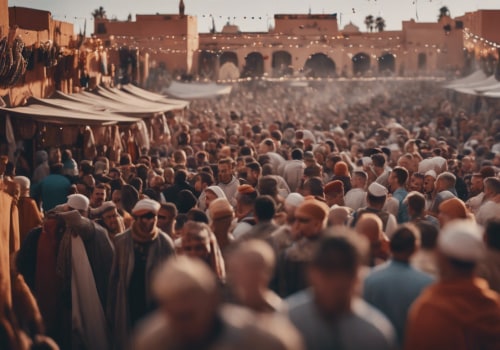
No culinary adventure in Morocco would be complete without exploring its vibrant food markets. These bustling hubs are filled with colorful spices, fresh produce, and local delicacies.As you wander through the stalls, take in the aromatic scents of saffron, cumin, and coriander while engaging with friendly vendors eager to share their knowledge. The experience of shopping in these markets not only enhances your understanding of Moroccan cuisine but also provides insight into daily life in Morocco. You’ll discover how food plays a central role in social interactions and community gatherings. In conclusion, indulging in Morocco's culinary delights is an essential part of your Morocco safari travel. From savoring traditional dishes to participating in cooking classes and exploring vibrant markets, each experience offers a deeper understanding of Moroccan culture through its rich culinary heritage.
Festivals and Events: A Cultural Calendar
Morocco is a vibrant tapestry of cultures, and its festivals and events are a testament to this rich heritage. Participating in these celebrations during your Morocco safari travel not only enhances your experience but also offers a unique glimpse into the local traditions and communal spirit of the Moroccan people. One of the most significant festivals is Eid al-Fitr , which marks the end of Ramadan.This joyous occasion is celebrated with family gatherings, feasting, and giving thanks. Streets come alive with decorations, and it’s common to see people dressed in their finest attire, exchanging gifts and sweets. Travelers visiting during this time can witness the warmth of Moroccan hospitality as families invite friends and neighbors to share in the festivities. Another major event is Eid al-Adha , also known as the Feast of Sacrifice. This festival commemorates the willingness of Ibrahim (Abraham) to sacrifice his son as an act of obedience to God.
The day is marked by communal prayers, followed by the ritual sacrifice of animals. Observing this event provides insight into the deep religious significance it holds for Moroccans, as well as the communal bonds it fosters. The Marrakech Popular Arts Festival , held annually in July, showcases Morocco's rich artistic heritage through music, dance, and theater. This festival transforms the city into a vibrant stage where local artists perform traditional Moroccan music and dance forms, such as gnawa and chaabi. Attending this festival allows travelers to immerse themselves in the lively atmosphere while appreciating the diverse artistic expressions that define Moroccan culture. For those interested in culinary experiences, the Marrakech Food Festival is a must-visit.
Typically held in June, this event celebrates Morocco's rich culinary traditions with cooking demonstrations, tastings, and workshops led by renowned chefs. Visitors can indulge in local delicacies while learning about the spices and techniques that make Moroccan cuisine so unique. In addition to these major festivals, many towns and villages host local celebrations throughout the year that reflect their unique customs and traditions. Events such as harvest festivals or regional fairs provide an authentic experience where travelers can engage with locals, sample traditional foods, and participate in age-old rituals. Timing your visit to coincide with these festivals not only enriches your travel experience but also fosters a deeper understanding of Morocco's cultural landscape. Whether you are dancing at a festival or sharing a meal during Eid, these moments create lasting memories that connect you to the heart of Moroccan life.
Practical Tips for a Successful Safari Experience
Embarking on a Morocco safari travel adventure is an exciting opportunity to immerse yourself in the rich culture and stunning landscapes of this North African gem.To ensure your experience is both enjoyable and safe, here are some practical tips to consider before you set off.
Packing Essentials
When preparing for your safari, packing wisely is crucial. Here’s a list of essentials to include:- Clothing: Lightweight, breathable fabrics are ideal for the warm days, while layers are essential for cooler evenings. Consider packing:
- Long-sleeved shirts and pants to protect against sun and insects
- A wide-brimmed hat for sun protection
- A light jacket or sweater for cooler nights
- Shoes: Comfortable walking shoes or hiking boots are a must, along with sandals for relaxing.
- Toiletries: Bring travel-sized toiletries, sunscreen, insect repellent, and any personal medications.
- Gear: A good camera or smartphone for capturing memories, binoculars for wildlife viewing, and a reusable water bottle to stay hydrated.
Safety Considerations
Your safety should always be a priority while traveling. Here are some tips to keep in mind:- Stay Informed: Keep up with local news and travel advisories from your government regarding safety in Morocco.
-
Respect Local Customs: Understanding cultural norms can help you avoid misunderstandings.
Dress modestly, especially in rural areas and religious sites.
- Travel Insurance: Consider purchasing travel insurance that covers medical emergencies and trip cancellations.
Cultural Interactions
A key aspect of your safari experience will be engaging with the local culture. Here are some tips to enhance these interactions:- Learn Basic Arabic or Berber Phrases: Knowing a few words can go a long way in building rapport with locals.
- Participate in Local Traditions: If invited to a local home or event, embrace the opportunity to learn about Moroccan hospitality and customs.
- Be Open-Minded: Approach cultural differences with curiosity rather than judgment. This mindset will enrich your experience.
Sustainable Travel Practices in Morocco
As travelers increasingly seek to explore the world responsibly, sustainable travel practices have become essential, especially in a culturally rich and environmentally diverse country like Morocco.Engaging in eco-friendly safaris not only enhances your travel experience but also contributes to the preservation of Morocco's unique landscapes and cultural heritage. One of the primary ways to ensure that your Morocco safari is sustainable is by choosing local guides and operators who prioritize responsible tourism. These professionals are often deeply knowledgeable about the local environment and culture, allowing you to experience the authentic essence of Morocco while supporting the local economy. When selecting a tour operator, look for those who:
- Emphasize conservation: Choose companies that actively participate in conservation efforts, such as wildlife protection and habitat restoration.
- Support local communities: Opt for tours that involve local communities, ensuring that a portion of your travel expenses benefits the people who call these regions home.
- Minimize environmental impact: Select operators that use eco-friendly transportation methods and accommodations, reducing your carbon footprint during your travels.
- Reducing plastic use: Bring reusable water bottles and bags to minimize single-use plastics, which can harm the environment.
- Respecting wildlife: Observe animals from a distance and avoid activities that exploit or disturb them, such as riding camels excessively or visiting unethical animal attractions.
-
Cultural sensitivity: Familiarize yourself with local customs and traditions to ensure respectful interactions with Moroccan people.
This includes dressing modestly in rural areas and asking for permission before taking photographs of individuals.
Conclusion: Embracing the Moroccan Safari Experience
As we conclude our exploration of Morocco safari travel, it becomes evident that this journey transcends mere adventure; it is a profound cultural immersion that invites travelers to engage with the heart and soul of Morocco.The landscapes, from the vast Sahara Desert to the rugged Atlas Mountains, serve as a backdrop for experiences that are both exhilarating and enlightening. Throughout this article, we have delved into the rich tapestry of Moroccan culture, highlighting the significance of religious practices, traditional customs, and the warm hospitality of its people. Each aspect contributes to a deeper understanding of what it means to be part of this vibrant society. A safari in Morocco is not just about witnessing breathtaking scenery; it is about connecting with the local communities and appreciating their way of life. Travelers embarking on a The landscapes, from the vast Sahara Desert to the rugged Atlas Mountains, serve as a backdrop for experiences that are both exhilarating and enlightening. Throughout this article, we have delved into the rich tapestry of Moroccan culture, highlighting the significance of religious practices, traditional customs, and the warm hospitality of its people. Each aspect contributes to a deeper understanding of what it means to be part of this vibrant society. A safari in Morocco is not just about witnessing breathtaking scenery; it is about connecting with the local communities and appreciating their way of life. Travelers embarking on a Morocco safari will find themselves immersed in a world where ancient traditions coexist with modern influences. From participating in local festivals to savoring authentic Moroccan cuisine, every moment offers an opportunity for connection and learning.
Engaging with artisans in bustling souks or sharing stories with nomadic tribes enriches the travel experience, allowing visitors to see beyond the surface. Moreover, understanding the role of religion in daily life provides invaluable context for interactions with locals. The call to prayer, the observance of Ramadan, and the celebration of significant holidays like Eid al-Fitr and Eid al-Adha are not just rituals; they are expressions of identity and community that travelers can witness firsthand. In essence, a Morocco safari travel experience is an invitation to embrace diversity and foster respect for different cultures. It encourages travelers to step outside their comfort zones and engage with the unfamiliar, ultimately leading to personal growth and a broader worldview. As you plan your journey, remember that each encounter has the potential to transform your understanding of this enchanting country. In summary, whether you are traversing the golden dunes of Merzouga or exploring the vibrant streets of Marrakech, let your heart be open to the stories that await you.
A Morocco safari is not merely a trip; it is a chance to create lasting memories while celebrating the rich cultural heritage that makes Morocco truly unique.