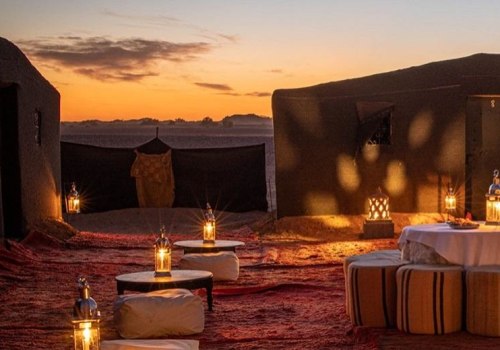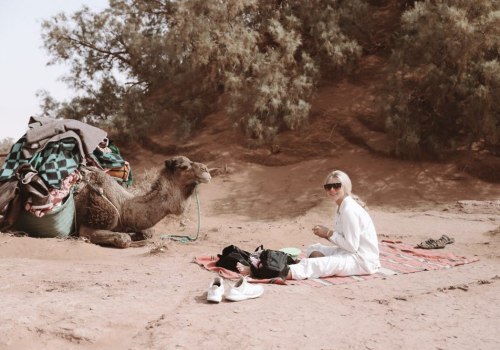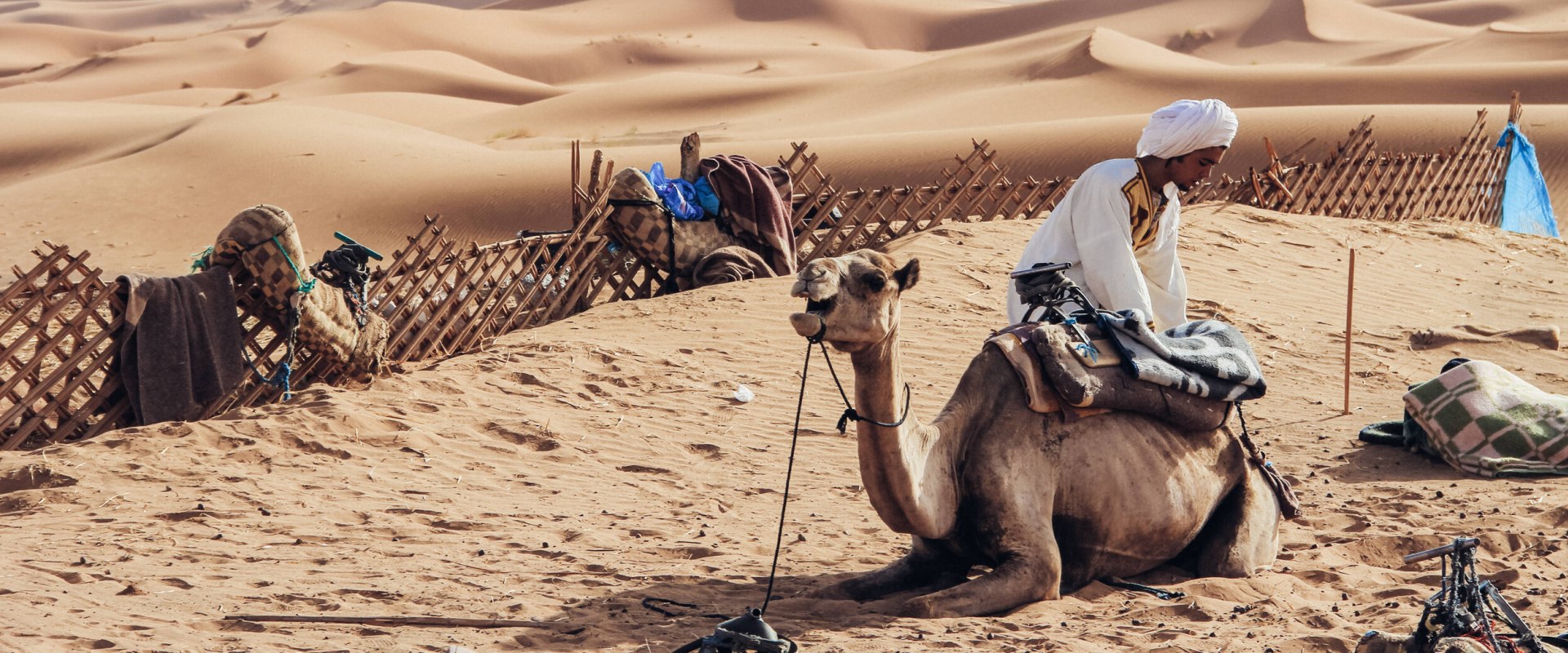
Embarking on a Morocco safari travelMorocco safari travel adventure is an exhilarating experience, especially when it leads you to the vast and mesmerizing expanse of the Sahara Desert. This iconic landscape, known for its undulating sand dunes and breathtaking sunsets, presents a unique set of challenges that every traveler must navigate. Among these challenges, the most critical is the quest for water. In a region where rainfall is scarce and temperatures can soar to unbearable heights, understanding how to find and conserve water becomes essential for survival. The Sahara Desert, stretching across several countries in North Africa, is not just a barren wasteland; it is a complex ecosystem teeming with life.
However, its harsh conditions can be unforgiving for those unprepared. As you traverse this arid terrain, you will quickly realize that the ability to locate water sources can mean the difference between life and death. From hidden oases to underground springs, the Sahara holds secrets that can sustain you if you know where to look. Moreover, the cultural richness of the region adds another layer to your adventure. The Berber people, who have thrived in this environment for centuries, possess invaluable knowledge about finding water and surviving in the desert.
Engaging with local communities not only enhances your understanding of their traditions but also equips you with practical skills that can aid in your journey. As you prepare for your Sahara desert adventure, keep in mind that this journey is as much about exploration as it is about survival. With the right preparation and insights into finding water in the desert, you can transform your trip into an unforgettable experience filled with discovery and resilience.
Understanding the Sahara Desert Environment
The Sahara Desert, a vast expanse of arid land, is not just a barren wasteland; it is a complex ecosystem shaped by its unique geography and climate. Understanding these elements is crucial for anyone embarking on a Morocco safari travel adventure, especially when it comes to locating water sources and developing effective survival strategies.Geographical Features of the Sahara
- Size and Scope: The Sahara spans approximately 3.6 million square miles, making it the largest hot desert in the world. Its sheer size means that conditions can vary significantly from one region to another.
-
Topography: The landscape includes a mix of sand dunes, rocky plateaus, and gravel plains.
The famous Erg Chebbi dunes in Morocco are a prime example of the shifting sands that characterize parts of the desert.
- Oases: Scattered throughout the Sahara are oases, which are vital for survival. These lush areas provide not only water but also vegetation and shade, making them essential stops for travelers.
Climate of the Sahara
- Temperature Extremes: The Sahara experiences extreme temperatures, with daytime highs often exceeding 120°F (49°C) in summer and dropping to near freezing at night. This fluctuation can lead to dehydration if proper precautions are not taken.
- Rainfall: Rain is scarce, averaging less than 3 inches annually in most areas. This lack of precipitation contributes to the desert's arid conditions and makes finding water a significant challenge.
-
Wind Patterns: Strong winds can create sandstorms that reduce visibility and make navigation difficult.
Understanding wind patterns can help travelers avoid these hazardous conditions.
Survival Tips for the Desert Environment
- Plan Your Route: Before setting out, familiarize yourself with the geography of your intended path. Identify potential oases or other water sources along the way.
- Stay Hydrated: Carry sufficient water supplies and drink regularly, even if you do not feel thirsty. Dehydration can set in quickly in such an environment.
- Seek Shade: During the hottest parts of the day, find shelter under rocks or trees to avoid heat exhaustion.
- Dress Appropriately: Wear light-colored, loose-fitting clothing to reflect sunlight and allow air circulation, helping to keep your body cool.
- Learn from Locals: Engage with local Berber communities to gain insights into traditional survival techniques that have been honed over centuries.
The Importance of Water in the Desert
Water is the lifeblood of survival in the desert, particularly in the unforgiving expanse of the Sahara.In such an arid environment, where temperatures can soar above 120°F (49°C) during the day and plummet at night, understanding the importance of water is crucial for anyone embarking on a Morocco safari travel adventure. The human body is composed of approximately 60% water, and maintaining this balance is essential for various physiological functions. In the desert, where sweat loss can be significant due to high temperatures, the risk of dehydration escalates rapidly. Dehydration can lead to serious health issues, including heat exhaustion and heat stroke, which can be life-threatening if not addressed promptly. To effectively manage hydration in such extreme conditions, it’s vital to recognize your body’s needs. On average, an adult requires about 2 to 3 liters of water per day under normal circumstances.
However, in the desert, this requirement can increase significantly due to factors such as:
- Physical Activity: Engaging in activities like camel trekking or hiking can elevate your water needs.
- Temperature: Higher temperatures lead to increased perspiration and fluid loss.
- Altitude: If you are traversing elevated areas within the desert, you may experience increased respiration rates, further depleting your hydration levels.
- Drink Regularly: Instead of waiting until you feel thirsty, make it a habit to sip water consistently throughout the day.
- Monitor Urine Color: A light yellow color indicates proper hydration, while dark urine suggests dehydration.
- Use Electrolytes: Incorporate electrolyte-rich drinks or supplements to replenish lost minerals and maintain fluid balance.
- Avoid Alcohol and Caffeine: These substances can lead to increased fluid loss and should be limited during your stay in the desert.
Identifying Water Sources in the Sahara
Finding water in the Sahara is not just a matter of luck; it requires keen observation and an understanding of the environment.The Sahara, with its vast stretches of sand and rocky terrain, can be deceptive. Here are some practical tips to help you identify potential water sources during your adventure.
Recognizing Natural Signs of Water
Nature often provides clues that can lead you to water. Here are some signs to look for:- Vegetation: Areas with lush greenery or dense plant life are often indicators of nearby water. Look for trees, shrubs, or grasses that thrive in arid conditions, as they usually grow near underground water sources.
-
Animal Tracks: Animals need water just like humans do.
If you notice animal tracks leading in a particular direction, follow them; they may lead you to a watering hole or oasis.
- Bird Activity: Birds often fly low to the ground when searching for water. If you see birds circling or flying in a specific area, it could indicate the presence of a water source nearby.
- Humidity and Temperature Changes: Pay attention to changes in humidity and temperature. Areas near water sources tend to be cooler and more humid than their surroundings.
Understanding Local Geography
The geography of the Sahara plays a crucial role in locating water. Here are some geographical features to consider:-
Oases: Oases are fertile spots in the desert where water is available.
They often support palm trees and other vegetation. Researching maps or local guides can help you locate known oases along your route.
- Dry Riverbeds: Even if they appear dry, riverbeds can sometimes contain underground water. Look for signs of erosion or vegetation along these paths, as they may indicate past water flow.
- Depressions and Valleys: Water tends to collect in lower areas. Exploring depressions or valleys can increase your chances of finding hidden springs or pools.
Always remember to approach these sources with caution and respect for the environment.
Techniques for Purifying and Conserving Water
When traversing the arid expanses of Morocco's Sahara, understanding how to purify and conserve water is essential for survival. The desert may seem devoid of life, but with the right techniques, you can ensure that the water you find is safe to drink and that your supply lasts throughout your adventure.Water Purification Methods
Purifying water is crucial, especially if you are sourcing it from natural bodies like oases or streams. Here are some effective methods:- Boiling: One of the simplest and most effective ways to purify water is by boiling it. Bring the water to a rolling boil for at least one minute (or three minutes at higher altitudes) to kill harmful bacteria and pathogens.
-
Filtration: Portable water filters are invaluable for desert travelers.
These devices can remove contaminants and microorganisms from water sources. Look for filters that are lightweight and have a high flow rate, making them suitable for quick hydration during your journey.
- Chemical Purification: Water purification tablets containing chlorine dioxide or iodine can be used to disinfect water. Follow the instructions carefully, as different tablets have varying wait times before the water is safe to drink.
-
Solar Disinfection (SODIS): This method utilizes sunlight to purify water. Fill clear plastic bottles with water and leave them in direct sunlight for six hours.
The UV rays will kill pathogens, making the water safe for consumption.
Conserving Water in the Desert
In addition to purifying water, conserving it is equally important in a desert environment where every drop counts. Here are some strategies to help you manage your water supply:- Drink Small Amounts Frequently: Instead of gulping down large quantities of water at once, sip small amounts regularly. This helps maintain hydration without depleting your supply too quickly.
- Avoid Excessive Sweating: Plan your activities during cooler parts of the day, such as early morning or late afternoon. This reduces sweat loss and helps conserve your body's water reserves.
-
Wear Appropriate Clothing: Light-colored, loose-fitting clothing can help keep your body cool and minimize sweating.
A wide-brimmed hat also provides shade and reduces heat exposure.
- Utilize Shade: Whenever possible, rest in shaded areas to avoid direct sunlight. This not only helps you stay cool but also reduces your need for hydration.
Survival Strategies for a Successful Desert Adventure
Embarking on a journey through the Sahara Desert requires more than just a sense of adventure; it demands careful planning and a solid understanding of survival strategies. The extreme conditions of the desert can be unforgiving, but with the right approach, you can navigate this vast landscape safely and enjoyably.Hydration: The Key to Survival
Staying hydrated is paramount when traversing the Sahara. Here are some essential tips to ensure you maintain adequate hydration:-
Carry Sufficient Water: Always have enough water on hand.
A general rule is to drink at least 2-3 liters per day, but this may vary based on your activity level and the heat. Consider using a hydration pack for easy access.
- Drink Regularly: Don’t wait until you feel thirsty to drink. Instead, sip water consistently throughout the day to prevent dehydration.
- Electrolyte Balance: In addition to plain water, replenish electrolytes lost through sweat. Sports drinks or electrolyte tablets can be beneficial.
-
Know Your Water Sources: Familiarize yourself with potential water sources along your route, such as oases or natural springs.
Researching these locations beforehand can save you in critical situations.
Clothing: Protecting Yourself from the Elements
Your choice of clothing can significantly impact your comfort and safety in the desert. Here are some recommendations:- Lightweight Fabrics: Opt for loose-fitting, lightweight clothing made from breathable materials. This helps keep your body cool while protecting you from the sun.
- Sun Protection: Wear a wide-brimmed hat and sunglasses to shield your face and eyes from harsh sunlight. A scarf or bandana can also protect your neck and face from sunburn.
- Layering: Temperatures can drop significantly at night, so bring layers that you can easily add or remove as needed.
Planning Your Route: Navigating the Desert Safely
A well-thought-out plan is crucial for a successful desert adventure.Consider these strategies when planning your route:
- Map Familiarization: Study maps of the area before your trip. Identify key landmarks, potential water sources, and safe paths to follow.
- Timing Your Journey: Plan your travel during cooler parts of the day, such as early morning or late afternoon, to avoid the intense midday heat.
- Emergency Plans: Always have a backup plan in case of unexpected situations. Carry a GPS device or compass and know how to use them effectively.
Cultural Insights: Learning from the Berber People
Traveling through the Sahara offers not just breathtaking landscapes but also a rich tapestry of culture, particularly that of the Berber people. Known as the indigenous inhabitants of North Africa, the Berbers have thrived in the harsh desert environment for centuries, developing unique methods and traditions that are invaluable for anyone venturing into this arid region.Understanding Berber Culture
The Berber culture is deeply intertwined with the Sahara's landscape.
Their way of life is characterized by a profound respect for nature and an intimate knowledge of their surroundings. This connection to the land is evident in their traditional practices, which have been passed down through generations. The Berbers are known for their hospitality, often welcoming travelers with open arms and sharing their customs and stories.
Traditional Methods of Finding Water
One of the most critical aspects of survival in the Sahara is water sourcing, and the Berbers have mastered this art. They utilize several traditional methods to locate water:
-
Observation of Flora: The presence of certain plants can indicate nearby water sources.
For instance, lush vegetation often signals underground springs or oases.
- Animal Behavior: Animals instinctively know where to find water. Following animal tracks or observing their movements can lead you to hidden sources.
- Geographical Features: The Berbers are adept at reading the landscape. Valleys and depressions are often more likely to contain water than flat areas.
- Traditional Wells: Many Berber communities have constructed wells over generations, which serve as vital water sources. Learning about these wells can provide insight into sustainable water practices.
Cultural Respect in Morocco
When traveling through Morocco's Sahara, it is essential to approach Berber culture with respect and openness.
Engaging with local communities can enhance your experience significantly. Here are some ways to show respect:
- Learn Basic Phrases: Knowing a few words in Tamazight, the Berber language, can go a long way in building rapport.
- Participate in Local Customs: Whether it’s sharing a meal or joining in traditional music and dance, participating shows appreciation for their culture.
- Avoid Disrespectful Behavior: Dress modestly and be mindful of local customs, especially regarding gender interactions.
FAQs About Finding Water in the Desert
When planning a trip to the Sahara Desert, many travelers have questions about how to find water and survive in such an extreme environment. Here are some frequently asked questions that can help you prepare for your adventure.What are the best ways to find water in the Sahara?
Finding water in the Sahara requires a combination of observation and knowledge.Here are some effective methods:
- Look for Oases: Oases are fertile areas in the desert where water is available. They often have palm trees and vegetation, making them easier to spot from a distance.
- Follow Animal Tracks: Animals need water to survive, so following their tracks can lead you to a water source.
- Observe Vegetation: Areas with dense plant life often indicate the presence of underground water. Look for green patches amidst the arid landscape.
- Check for Signs of Moisture: Look for damp soil or salt deposits, which can suggest that water is nearby.
How can I purify water found in the desert?
If you find water in the desert, it’s crucial to purify it before drinking. Here are some methods:- Boiling: If you have the means to start a fire, boiling water for at least one minute will kill most pathogens.
- Water Filters: Portable water filters can effectively remove bacteria and other contaminants from natural water sources.
-
Purification Tablets: These tablets can be added to water to kill harmful microorganisms.
Always follow the instructions on the packaging.
How much water should I carry during my desert adventure?
The amount of water you need depends on various factors, including your activity level and the climate. As a general rule:- Carry at least 2-3 liters per day: This is a minimum recommendation for moderate activity in hot conditions.
- Plan for extra: If you’re engaging in strenuous activities or if temperatures are exceptionally high, consider carrying more.
What should I do if I run out of water?
If you find yourself without water, it’s essential to stay calm and take immediate action:- Conserve Energy: Limit physical exertion to reduce sweat loss.
- Seek Shade: Find shelter from the sun to lower your body temperature and reduce dehydration.
- Look for Water Sources: Use the techniques mentioned above to search for potential water sources nearby.
Conclusion: Embracing Your Sahara Adventure with Confidence
As you prepare for your journey into the vast expanse of Morocco's Sahara, it is essential to reflect on the key insights that will not only enhance your experience but also ensure your safety. The Sahara is a mesmerizing landscape, rich in culture and natural beauty, yet it demands respect and understanding from those who venture into its depths. Throughout this guide, we have explored various strategies for finding water, a critical resource in this arid environment. Remember that hydration is paramount; always carry sufficient water and know how to locate additional sources.Familiarize yourself with the geography of the desert, as well as the signs of water that nature provides. This knowledge will empower you to navigate the terrain with confidence. Moreover, embracing the cultural heritage of the Berber people can significantly enrich your adventure. Their traditional methods of water conservation and survival techniques are invaluable resources that can enhance your understanding of life in the desert. Engaging with local communities not only fosters respect but also allows you to learn from those who have thrived in this challenging environment for generations. As you embark on your Morocco safari travel, keep in mind the importance of preparation.
Plan your route carefully, ensuring you have access to water sources and shaded areas along the way. Equip yourself with appropriate clothing and gear to protect against the sun's harsh rays. Staying aware of your surroundings and listening to your body’s signals will help you avoid dehydration and heat-related illnesses. In conclusion, your Sahara adventure can be a rewarding experience filled with breathtaking landscapes and rich cultural encounters. By approaching this journey with thorough preparation, respect for the environment, and an open mind towards learning from local traditions, you can create lasting memories while ensuring your safety.
Embrace the challenges of the desert with confidence, knowing that you are equipped with the knowledge and skills necessary to thrive in one of the most extraordinary places on Earth.