When one thinks of Moroccan cuisine, the mind often conjures images of vibrant spices, aromatic tagines, and colorful markets brimming with fresh produce. Yet, among these culinary treasures, Pastilla stands out as a true emblem of Morocco's rich gastronomic heritage. This exquisite dish, often described as a savory-sweet pie, encapsulates the essence of Moroccan culture, blending flavors and techniques that have been passed down through generations. At its core, Pastilla is a celebration of contrasts. Traditionally made with layers of delicate pastry filled with tender meat—often chicken or pigeon—combined with a medley of spices such as cinnamon, saffron, and cumin, it is then topped with a dusting of powdered sugar and cinnamon. stands out as a true emblem of Morocco's rich gastronomic heritage. This exquisite dish, often described as a savory-sweet pie, encapsulates the essence of Moroccan culture, blending flavors and techniques that have been passed down through generations. At its core, Pastilla is a celebration of contrasts. Traditionally made with layers of delicate pastry filled with tender meat—often chicken or pigeon—combined with a medley of spices such as cinnamon, saffron, and cumin, it is then topped with a dusting of powdered sugar and cinnamon.
This unique combination of savory and sweet flavors not only tantalizes the taste buds but also tells a story of Morocco's historical influences, from the Moorish presence in Spain to the Berber traditions that still thrive today. As you embark on your culinary journey through Morocco, understanding the significance of Pastilla is essential. It is more than just a dish; it is a symbol of hospitality and celebration. Often served during special occasions like weddings and religious festivities, Pastilla reflects the Moroccan spirit of sharing and community. Each bite offers a glimpse into the country's diverse cultural tapestry, making it a must-try for anyone eager to experience the heart and soul of Moroccan cuisine. In this exploration of Pastilla and its place within Moroccan culinary traditions, we will delve deeper into its origins, variations across regions, and the intricate preparation methods that make it a beloved staple.
Join us as we uncover the layers of flavor and history that make Pastilla not just a meal but an unforgettable experience in the vibrant world of Moroccan gastronomy.
The Origins of Pastilla: A Historical Perspective
The history of Pastilla is a fascinating journey that intertwines the culinary traditions of different cultures, particularly those of the Moors and the Andalusians. This dish, which has become a symbol of Moroccan cuisine, traces its roots back to the 15th century when the Moors migrated from Spain to North Africa. The influence of Andalusian cuisine is evident in Pastilla, as it incorporates techniques and flavors that were prevalent in southern Spain at the time. Originally, Pastilla was a dish reserved for the elite, often served at grand feasts and special occasions. The use of pigeon as a primary ingredient reflects the opulence associated with this delicacy.Over time, as Moroccan culture evolved and diversified, so did the ingredients and preparation methods of Pastilla. Today, it is commonly made with chicken or seafood, making it more accessible to a wider audience. The evolution of Pastilla also mirrors the broader changes in Moroccan society. As trade routes expanded and cultural exchanges flourished, new spices and ingredients were introduced into Moroccan kitchens. The incorporation of spices such as cinnamon, saffron, and almonds not only enhanced the flavor profile of Pastilla but also showcased Morocco's rich agricultural heritage. Moreover, Pastilla serves as a culinary representation of Morocco's diverse cultural influences.
The dish embodies a blend of Berber, Arab, and Mediterranean elements, reflecting the country's complex history. Each region in Morocco has its own variation of Pastilla, showcasing local ingredients and culinary traditions. For instance, in coastal areas, seafood versions are popular, while inland regions may favor chicken or lamb. Today, Pastilla is not just a dish; it is a cultural artifact that tells the story of Morocco's past. It is often prepared during significant celebrations such as weddings and religious holidays, symbolizing hospitality and generosity.
As travelers embark on their Morocco safari travel, indulging in Pastilla offers them a taste of history—a delicious connection to the rich tapestry of Moroccan culture.
Ingredients That Make Pastilla Unique
At the heart of Pastilla lies a harmonious blend of ingredients that create its signature taste, combining both savory and sweet elements in a way that is uniquely Moroccan. Understanding these ingredients not only enhances your appreciation for this dish but also provides insight into the rich culinary traditions of Morocco.1.The Pastry
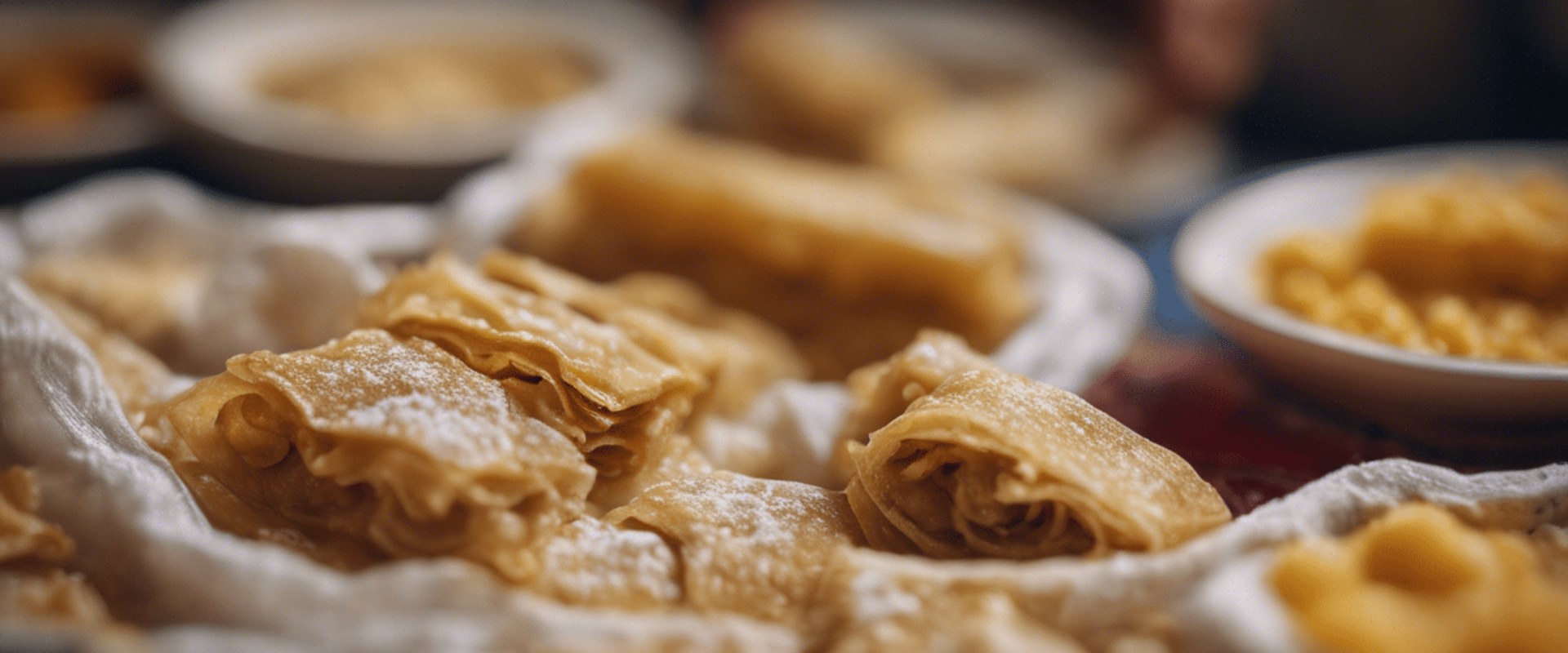
Pastilla is traditionally encased in layers of warqa, a thin, flaky pastry similar to phyllo dough. This delicate pastry is essential for creating the dish's signature texture, providing a crispy exterior that contrasts beautifully with the tender filling inside. The layers are carefully crafted to ensure they are light and airy, allowing them to absorb the flavors of the filling while maintaining their crunch.
2.The Filling
The filling is where Pastilla truly shines, typically featuring a combination of meat and spices.
The most common choice is chicken, but variations can include pigeon or seafood, depending on regional preferences. The meat is often cooked slowly with a medley of spices, including:
- Cinnamon: Adds warmth and sweetness, balancing the savory elements.
- Cumin: Provides an earthy depth that enhances the overall flavor profile.
- Ginger: Offers a hint of spice and brightness.
- Saffron: Infuses a luxurious aroma and a golden hue to the dish.
3.Nuts and Dried Fruits
A distinctive feature of Pastilla is the inclusion of almonds, which are often toasted and ground to add a delightful crunch and nutty flavor. Additionally, dried fruits such as raisins or apricots may be incorporated, contributing natural sweetness that complements the savory meat filling.
4.Sweet Toppings
The final touch that makes Pastilla truly unique is its topping. Once baked, it is dusted with powdered sugar and cinnamon, creating an enticing contrast between sweet and savory.
This finishing touch not only enhances the visual appeal but also invites diners to experience the unexpected flavor combination that defines this iconic dish. In summary, the ingredients that make up Pastilla are a testament to Morocco's culinary artistry. Each component plays a vital role in crafting a dish that is not only delicious but also steeped in tradition, making it an essential part of any culinary exploration in Morocco.
The Art of Preparing Pastilla: A Step-by-Step Guide
Preparing Pastilla is an art that combines culinary skill with a deep understanding of flavors and textures. This traditional Moroccan dish requires careful attention to detail, but the rewards are well worth the effort. Below is a comprehensive guide on how to make Pastilla, including essential cooking techniques and tips for achieving the perfect balance of flavors.Ingredients:
- 1 whole chicken (or 1 kg of pigeon or beef)
- 2 large onions, finely chopped
- 4 cloves of garlic, minced
- 1 teaspoon ground cinnamon
- 1 teaspoon ground ginger
- 1 teaspoon saffron threads
- 1 teaspoon cumin
- Salt and pepper to taste
- 200g almonds, toasted and chopped
- 8 sheets of warqa or phyllo pastry
- 4 eggs
- Fresh parsley and cilantro, chopped
- Powdered sugar for garnish
- Cinnamon for garnish
- Butter or oil for brushing the pastry
Step-by-Step Preparation:
-
Cook the Meat: In a large pot, combine the chicken with chopped onions, garlic, spices (cinnamon, ginger, saffron, cumin), salt, and pepper.
Add enough water to cover the chicken. Bring to a boil, then reduce heat and simmer until the meat is tender (about 45 minutes). Once cooked, remove the chicken and let it cool.
-
Prepare the Filling: Shred the cooled chicken into small pieces. In a separate bowl, mix the shredded chicken with toasted almonds, chopped parsley, cilantro, and beaten eggs.
This mixture should be moist but not overly wet.
- Assemble the Pastilla: Preheat your oven to 375°F (190°C). Lay out one sheet of phyllo pastry on a clean surface and brush it lightly with melted butter. Place another sheet on top and repeat this process until you have about four layers. Spoon a portion of the filling onto the center of the pastry.
-
Fold and Shape: Carefully fold the edges of the pastry over the filling to create a parcel.
You can either shape it into a round pie or a square package. Ensure that it is well-sealed to prevent any filling from leaking out during baking.
- Bake: Place the assembled Pastilla on a baking tray lined with parchment paper. Brush the top with more melted butter and bake for about 30-40 minutes or until golden brown and crispy.
- Garnish: Once baked, remove from the oven and let it cool slightly. Dust generously with powdered sugar and cinnamon before serving.
Culinary Tips:
- Layering is Key: The number of phyllo layers can affect texture; more layers yield a flakier crust.
- Taste as You Go: Adjust spices according to your preference; Moroccan cuisine often emphasizes bold flavors.
- Pasta Alternatives: If warqa is unavailable, phyllo pastry works well but may require additional butter for moisture.
With practice and patience, you can master this exquisite dish that embodies both savory and sweet elements in every bite.
Regional Variations of Pastilla Across Morocco
As you traverse the diverse landscapes of Morocco, you will discover that Pastilla is not a one-size-fits-all dish. Each region boasts its own unique twist on this beloved delicacy, influenced by local ingredients, cultural traditions, and historical contexts. Let’s explore some of the most notable regional variations of Pastilla found throughout Morocco.Marrakech: The Classic Chicken Pastilla
In the bustling city of Marrakech, the classic chicken Pastilla reigns supreme. This version typically features tender chicken cooked with a blend of spices such as saffron, cinnamon, and ginger, combined with ground almonds and sugar.The dish is encased in layers of flaky pastry, creating a delightful contrast between the savory filling and the sweet topping. Often served during special occasions and family gatherings, this Pastilla embodies the essence of Moroccan hospitality.
Fes: The Richness of Pigeon Pastilla
Fes, known for its rich culinary heritage, offers a more traditional take on Pastilla with its pigeon variant. This version is prepared using squab (young pigeon), which is marinated in a mixture of spices before being slow-cooked to perfection. The meat is then shredded and mixed with a sweet and savory filling that includes almonds and cinnamon.Fassi Pastilla is often garnished with powdered sugar and cinnamon, making it a visually stunning dish that reflects the city’s opulent history.
Essaouira: Seafood Pastilla by the Coast
On the Atlantic coast, Essaouira presents a delightful seafood variation of Pastilla. Utilizing fresh fish and shellfish caught from the nearby waters, this version incorporates local herbs and spices to enhance the natural flavors of the seafood. The crispy pastry envelops a medley of shrimp, fish, and sometimes even calamari, creating a refreshing twist on the traditional recipe. This coastal adaptation showcases how local resources can transform a classic dish into something uniquely regional.Rif Mountains: A Taste of Berber Influence
In the Rif Mountains, where Berber culture thrives, Pastilla takes on a distinct character.Here, you might find variations that incorporate local game meats or even vegetarian options filled with seasonal vegetables and aromatic herbs. The use of local spices such as cumin and coriander adds depth to these versions, reflecting the agricultural bounty of the region. This adaptation not only highlights Berber culinary traditions but also emphasizes sustainability by utilizing locally sourced ingredients. Each regional variation of Pastilla tells a story about its origins and the people who prepare it. Whether you are savoring a classic chicken Pastilla in Marrakech or indulging in a seafood delight in Essaouira, you are experiencing more than just food; you are partaking in Morocco's rich tapestry of culture and tradition.
Pastilla as a Cultural Experience: Beyond the Plate
In Moroccan culture, food is not merely sustenance; it is a vital expression of identity, tradition, and community.Among the myriad of dishes that grace Moroccan tables, pastilla stands out as a symbol of celebration and cultural heritage. This exquisite dish encapsulates the essence of Moroccan dining customs, where meals are often communal experiences that foster connection and joy.
Pastilla's Role in Celebrations
Traditionally, pastilla is reserved for special occasions such as weddings, religious holidays like Eid, and family gatherings. Its preparation is often a communal affair, involving family members who come together to create this culinary masterpiece. The act of making pastilla is steeped in ritual; from the careful layering of the pastry to the meticulous seasoning of the filling, each step reflects a deep respect for culinary traditions passed down through generations.
During celebrations, serving pastilla is a way to honor guests and showcase the host's culinary skills.
The dish's intricate flavors and textures—savory meat combined with sweet spices and crunchy almonds—create a sensory experience that delights both the palate and the spirit. It is not uncommon for pastilla to be the centerpiece of a lavish spread, symbolizing abundance and hospitality.
Moroccan Dining Customs
Moroccan dining customs further enhance the cultural significance of pastilla. Meals are typically enjoyed in a communal setting, where diners gather around a large platter. This practice encourages sharing and fosters a sense of unity among those present.
The act of eating with one’s hands, often using bread to scoop up food, adds an intimate touch to the dining experience.
Moreover, meals are often accompanied by traditional mint tea, which serves as both a refreshment and a symbol of hospitality. The ritual of pouring tea from a height into small glasses is an art form in itself, reflecting the care and attention given to every aspect of Moroccan dining.
Food as Culture
Pastilla is more than just a dish; it embodies the rich tapestry of Moroccan culture. It reflects the country’s history of trade and cultural exchange, with influences from Arab, Berber, and Andalusian cuisines. Each bite tells a story of Morocco’s diverse heritage and its ability to blend various culinary traditions into something uniquely its own.
In essence, indulging in pastilla during your travels not only satisfies your taste buds but also immerses you in the heart of Moroccan culture.
It invites you to partake in age-old traditions that celebrate community, hospitality, and the joy of sharing food with loved ones.
Pairing Pastilla with Moroccan Beverages: A Complete Experience
To truly savor the experience of enjoying Pastilla, it is essential to complement this exquisite dish with the right beverages. Moroccan cuisine is renowned for its rich flavors, and the drinks that accompany meals play a significant role in enhancing the overall dining experience. Here, we explore some traditional Moroccan beverages that pair beautifully with Pastilla, allowing you to immerse yourself fully in the culinary culture of Morocco.Moroccan Mint Tea
No discussion of Moroccan beverages would be complete without mentioning mint tea , often referred to as Moroccan whiskey. This refreshing drink is made by steeping green tea with fresh mint leaves and sugar, resulting in a sweet and aromatic beverage that perfectly balances the savory and sweet notes of Pastilla.The ritual of preparing and serving mint tea is an integral part of Moroccan hospitality, making it a delightful addition to your meal.
Fresh Fruit Juices
Another excellent pairing for Pastilla is fresh fruit juices, which are widely available throughout Morocco. Juices made from oranges, pomegranates, or even prickly pears offer a vibrant contrast to the rich flavors of the dish. The natural sweetness and acidity of these juices cleanse the palate, enhancing your overall dining experience.Traditional Moroccan Drinks
- Chai Karak: A spiced tea made with black tea, milk, and a blend of spices such as cardamom and cinnamon. Its creamy texture complements the flaky layers of Pastilla.
-
Jus d'Orange: Freshly squeezed orange juice is a staple in Moroccan markets.
Its bright flavor pairs well with the complex spices found in Pastilla.
- Almond Milk: A sweetened almond milk drink can provide a unique twist when paired with Pastilla, offering a creamy texture that contrasts nicely with the dish's crispy exterior.
Exploring Morocco: A Safari Travel Guide with a Culinary Twist
When planning your Morocco safari travel, consider weaving in culinary experiences that highlight the country's rich gastronomic heritage. One of the most delightful ways to do this is by indulging in traditional dishes like Pastilla, which not only tantalizes the taste buds but also offers a glimpse into Morocco's vibrant culture. As you embark on your safari adventure, make it a point to explore local markets and food stalls.These bustling hubs are often filled with the aromas of spices and freshly prepared dishes, providing an authentic taste of Moroccan life. Here are some tips on how to incorporate culinary experiences into your travel itinerary:
- Join a Cooking Class: Many regions in Morocco offer cooking classes where you can learn to prepare traditional dishes, including Pastilla. This hands-on experience allows you to understand the ingredients and techniques that make Moroccan cuisine so unique.
- Visit Local Restaurants: Seek out family-owned restaurants that serve homemade Pastilla. These establishments often have recipes passed down through generations, ensuring an authentic taste of this iconic dish.
-
Participate in Food Tours: Consider joining a guided food tour that takes you through various neighborhoods, sampling different dishes along the way.
This is a great way to discover hidden gems and learn about the cultural significance of each dish.
- Attend Festivals: If your travel dates align, attending local food festivals can be a fantastic way to experience Moroccan cuisine. These events often feature cooking demonstrations, tastings, and opportunities to meet local chefs.
Frequently Asked Questions About Pastilla and Moroccan Cuisine
When it comes to Pastilla and Moroccan cuisine, many people have questions that can enhance their understanding and appreciation of this rich culinary tradition.Below are some frequently asked questions that address common curiosities and provide valuable insights.
What is Pastilla?
Pastilla, also known as Bastilla, is a traditional Moroccan dish that combines layers of flaky pastry with a savory filling, typically made from pigeon or chicken, along with spices, nuts, and sometimes fruits. The dish is often topped with powdered sugar and cinnamon, creating a unique blend of sweet and savory flavors.How is Pastilla traditionally served?
Pastilla is usually served as a main course during special occasions such as weddings, family gatherings, and religious celebrations. It is often presented at the table whole and then sliced into portions for guests. This communal style of serving enhances the experience, allowing everyone to share in the delight of this exquisite dish.Can I make Pastilla at home?
Absolutely! Making Pastilla at home can be a rewarding experience.While it may seem complex due to its multiple layers and ingredients, following a good recipe can simplify the process. Here are some tips:
- Use phyllo dough: This is a great alternative to traditional warqa pastry, making it easier to find and work with.
- Prepare the filling in advance: Allowing the filling to cool before assembling will help maintain the crispiness of the pastry.
- Experiment with flavors: Feel free to customize the filling with your choice of meat or even seafood for a unique twist.
What are some common spices used in Moroccan cuisine?
Moroccan cuisine is known for its vibrant use of spices. Some common spices include:- Cumin: Adds warmth and earthiness.
- Cinnamon: Often used in both sweet and savory dishes.
- Saffron: Known for its distinct flavor and color.
- Coriander: Provides a fresh, citrusy note.
Is Pastilla suitable for vegetarians?
While traditional Pastilla contains meat, there are vegetarian versions available that substitute meat with vegetables or legumes. These variations can still capture the essence of the dish by using similar spices and layering techniques. Understanding these aspects of Pastilla not only enriches your culinary knowledge but also enhances your overall experience when exploring Moroccan cuisine.Whether you’re enjoying it in a local restaurant or attempting to make it at home, Pastilla remains a delightful representation of Morocco's rich culinary heritage.
Conclusion: The Lasting Appeal of Pastilla in Moroccan Culture
As we conclude our exploration of Pastilla, it becomes evident that this dish is much more than just a culinary delight; it is a vibrant representation of Moroccan culture and heritage. The intricate layers of flavors and textures found in Pastilla reflect the rich history and diverse influences that have shaped Moroccan cuisine over centuries. From its origins in Andalusian cooking to its current status as a beloved staple at celebrations and gatherings, Pastilla embodies the spirit of Moroccan hospitality. It is often served during significant events such as weddings, religious holidays, and family reunions, symbolizing joy and togetherness. This dish invites diners to partake in a shared experience, fostering connections among family and friends. Moreover, the preparation of Pastilla is an art form in itself.The meticulous process of layering the delicate pastry, crafting the flavorful filling, and balancing the sweet and savory elements showcases the skill and dedication of Moroccan cooks. Each region offers its unique twist on this classic dish, allowing travelers to experience a variety of flavors that reflect local traditions and ingredients. For those embarking on Morocco safari travel, indulging in Pastilla is not merely about satisfying hunger; it is an opportunity to engage with the local culture on a deeper level. Tasting this dish allows visitors to appreciate the culinary techniques passed down through generations while also understanding the significance of food in Moroccan society. In summary, Pastilla stands as a testament to Morocco's rich cultural tapestry. Its lasting appeal lies not only in its exquisite taste but also in its ability to bring people together, celebrate traditions, and offer a glimpse into the heart of Moroccan life.
As you plan your journey through this enchanting country, make sure to savor Pastilla—it's an experience that will linger long after your travels have ended.