Moroccan cuisine is a vibrant tapestry woven from the threads of its rich history, diverse cultures, and geographical influences. As you embark on your Moroccan cuisine is a vibrant tapestry woven from the threads of its rich history, diverse cultures, and geographical influences. As you embark on your Morocco safari travelMorocco safari travel, you will discover that food is not merely sustenance; it is a celebration of life, a means of connection, and a reflection of the country’s values. The culinary landscape of Morocco is characterized by an array of flavors, colors, and aromas that tell stories of ancient traditions and modern innovations. At the heart of Moroccan food customs lies the concept of sharing. Meals are often enjoyed family-style, with diners gathered around a communal platter, reinforcing the bonds of family and friendship.
This practice not only enhances the dining experience but also embodies the Moroccan spirit of hospitality. When you sit down to eat in Morocco, you are welcomed into a world where generosity reigns supreme, and every meal is an opportunity to forge connections with others. The dining etiquette in Morocco is steeped in tradition and respect. From the use of your right hand for eating to the ritual washing of hands before and after meals, these customs highlight the importance placed on cleanliness and courtesy. Understanding these practices will enrich your experience as you navigate through local markets and dine in traditional homes or restaurants.
Each meal becomes a lesson in culture, offering insights into the values that shape Moroccan society. As you explore the culinary delights of Morocco during your safari adventure, prepare to be captivated by the intricate flavors and time-honored traditions that define this remarkable cuisine. Whether savoring a fragrant tagine or indulging in sweet pastries with mint tea, each bite will transport you deeper into the heart of Moroccan culture, making your journey not just a feast for the palate but also for the soul.
The Rich History Behind Moroccan Cuisine
The history of Moroccan cuisine is a rich tapestry woven from various cultural influences that have shaped the country over centuries. At the heart of this culinary evolution are the indigenous Berber people, whose traditional cooking methods and ingredients laid the foundation for what we now recognize as Moroccan food. The Berbers, known for their nomadic lifestyle, utilized local ingredients such as grains, vegetables, and meats, often preparing them in simple yet flavorful ways.Dishes like couscous and tagine have their roots in Berber culture, showcasing the use of slow-cooking techniques that enhance the flavors of the ingredients. As Morocco became a crossroads for various civilizations, the influence of Arab cuisine began to permeate its culinary landscape. The arrival of Arab traders and settlers in the 7th century introduced new spices and cooking techniques that transformed traditional Berber dishes. Ingredients such as saffron, cumin, and coriander became staples in Moroccan kitchens, adding depth and complexity to the flavors. The Arabs also brought with them a love for communal dining, which is still a significant aspect of Moroccan meals today. The Mediterranean influence cannot be overlooked either.
With its extensive coastline, Morocco has been influenced by various Mediterranean cultures, including Spanish and Italian. This is evident in the use of fresh seafood and vegetables in many Moroccan dishes. The incorporation of olives, citrus fruits, and herbs like parsley and mint reflects this Mediterranean connection. Throughout history, Morocco has also been shaped by other cultures such as the Ottomans , who introduced new cooking styles and ingredients during their rule. The fusion of these diverse culinary traditions has resulted in a unique cuisine that is both complex and inviting. Understanding the historical context behind Moroccan food is essential for appreciating its diversity.
Each dish tells a story of cultural exchange and adaptation, making Moroccan cuisine not just a feast for the senses but also a reflection of the country’s rich heritage.
Key Ingredients in Moroccan Cooking
Moroccan cuisine is a vibrant tapestry woven from a variety of ingredients that reflect the country’s rich cultural heritage and geographical diversity. The essential components of Moroccan cooking include a wide array of spices , herbs , and fresh produce , each contributing to the unique flavors that define this culinary tradition.Aromatic Spices
Spices are the heart and soul of Moroccan cooking, providing depth and complexity to dishes. Some of the most commonly used spices include:- Cumin: A staple in many Moroccan dishes, cumin adds a warm, earthy flavor that enhances stews and tagines.
- Coriander: Both the seeds and fresh leaves are used, imparting a citrusy note that brightens up various recipes.
- Cinnamon: Often used in both sweet and savory dishes, cinnamon brings a sweet warmth that is characteristic of Moroccan cuisine.
- Saffron: Known for its distinct flavor and vibrant color, saffron is often used in special dishes like paella or tagine to elevate the meal.
- Paprika: This spice adds a mild heat and rich color to dishes, making it a favorite in marinades and sauces.
Fresh Herbs
In addition to spices, fresh herbs play a crucial role in Moroccan cooking. They not only enhance flavor but also add freshness to meals.Key herbs include:
- Mint: Widely used in salads, teas, and tagines, mint provides a refreshing contrast to rich flavors.
- Cilantro: This herb is often added to salsas and garnishes, offering a bright, zesty flavor that complements many dishes.
- Parsley: Commonly used as a garnish or ingredient in salads, parsley adds a touch of color and freshness.
Fresh Produce
The abundance of fresh produce in Morocco contributes significantly to its culinary landscape. Seasonal fruits and vegetables are staples in many traditional dishes. Notable ingredients include:- Tomatoes: Used in salads, sauces, and tagines, tomatoes provide acidity and sweetness.
- Eggplant: Often grilled or stewed, eggplant is a versatile vegetable that absorbs flavors beautifully.
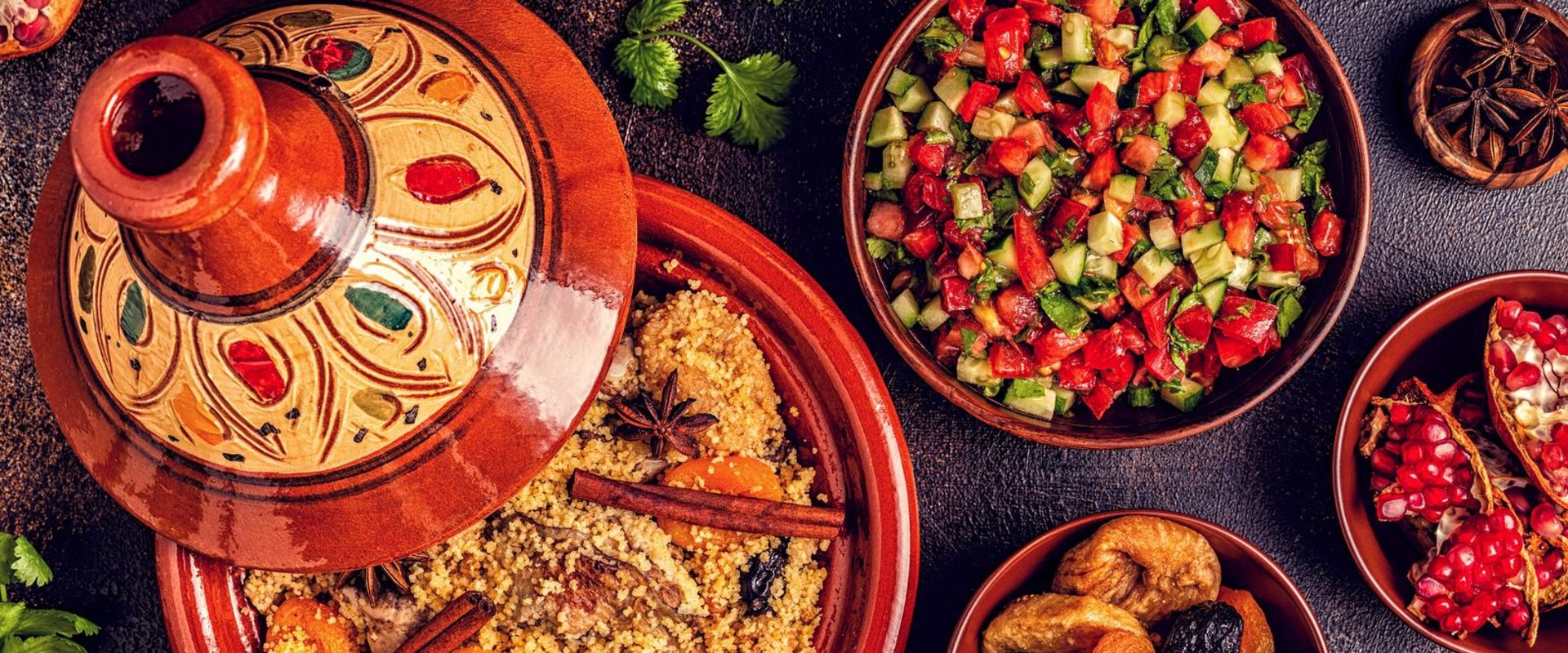
- Couscous: Made from semolina wheat, couscous is a beloved staple served with various meats and vegetables.
- Dried fruits: Ingredients like apricots, figs, and dates are frequently incorporated into savory dishes for added sweetness.
Traditional Moroccan Dishes You Must Try
When embarking on a Morocco safari travel adventure, one of the most enriching experiences is indulging in the country’s traditional dishes.Moroccan cuisine is a vibrant tapestry woven from various cultural influences, and its iconic dishes reflect the rich history and diverse ingredients available in the region. Here are some must-try foods that you simply cannot miss during your journey.
Tagine
Perhaps the most famous Moroccan dish, tagine is named after the earthenware pot in which it is cooked. This slow-cooked stew can feature a variety of ingredients, including meats like lamb, chicken, or beef, combined with vegetables and an array of spices. The unique conical shape of the tagine pot allows steam to circulate, keeping the food moist and flavorful. Common variations include:- Chicken Tagine with Preserved Lemons and Olives: A fragrant dish that balances the tartness of preserved lemons with the briny flavor of olives.
- Lamb Tagine with Apricots: A sweet and savory combination that highlights the use of dried fruits in Moroccan cooking.
- Vegetable Tagine: A hearty option for vegetarians, featuring seasonal vegetables and aromatic spices.
Couscous
No visit to Morocco would be complete without tasting couscous , often considered the national dish.Made from steamed semolina wheat granules, couscous is typically served as a base for stews or accompanied by vegetables and meats. Traditionally, it is prepared on Fridays as part of a family meal, symbolizing unity and togetherness. Couscous can be enjoyed in various forms:
- Couscous with Seven Vegetables: A colorful dish that includes a mix of seasonal vegetables, often served during special occasions.
- Couscous with Lamb: Tender lamb pieces are served atop fluffy couscous, creating a satisfying meal.
- Savory Couscous Salad: A refreshing take on couscous that incorporates fresh herbs, vegetables, and sometimes nuts or dried fruits.
Dining Etiquette: How to Eat Like a Local in Morocco
Dining in Morocco is not merely about the food; it is a rich tapestry of cultural practices and social interactions that reflect the values of hospitality and community.Understanding Moroccan dining etiquette is essential for travelers who wish to engage respectfully with local customs. One of the most distinctive features of Moroccan dining is the communal style of eating. Meals are typically served on a large, shared platter, allowing everyone at the table to partake in the same dish. This practice fosters a sense of togetherness and unity, emphasizing the importance of community in Moroccan culture. When dining, it is customary to gather around the table or floor, often seated on cushions or low benches, creating an intimate atmosphere. When it comes to how to eat in Morocco , using your right hand is crucial.
The left hand is traditionally considered unclean, so it is important to use your right hand for eating. This practice extends to scooping food with bread, which serves as both a utensil and a means to enjoy the meal. Diners often tear off pieces of bread to pick up morsels of food, making the experience tactile and engaging. Before and after meals, it is common to wash your hands. Guests may be offered a bowl of water or a towel for this purpose, reflecting the significance of cleanliness in Moroccan culture.
Accepting this gesture shows respect for the host and adherence to local customs. Another important aspect of Moroccan dining etiquette is the concept of hospitality. Hosts often serve generous portions, and it is polite for guests to try a little bit of everything offered. Refusing food can be seen as impolite or disrespectful, so even if you are full, sampling various dishes is appreciated. In addition to these practices, mealtime conversations are lively and filled with laughter. Sharing stories and engaging in friendly banter enhances the dining experience, making it not just about nourishment but also about connection and camaraderie. In summary, embracing Moroccan dining etiquette allows travelers to fully immerse themselves in the local culture.
By participating in communal meals, using your right hand, and appreciating the warmth of Moroccan hospitality, you will not only enjoy delicious food but also create lasting memories during your visit.
The Role of Hospitality in Moroccan Dining Culture
In Morocco, hospitality is not merely a social nicety; it is a deeply ingrained cultural value that permeates every aspect of life, especially when it comes to dining. The Moroccan approach to hospitality is characterized by warmth, generosity, and a profound respect for guests, making it an essential element of the dining experience.Welcoming Guests
When you enter a Moroccan home, you are often greeted with open arms and a heartfelt welcome. It is customary for hosts to offer their guests a refreshing glass of mint tea, known as atay, which symbolizes friendship and hospitality. This sweetened tea is not just a drink; it is a ritual that signifies the beginning of a shared experience.
The preparation and serving of tea can be an elaborate affair, showcasing the host's dedication to making their guests feel valued.
Communal Dining
Dining in Morocco typically involves communal meals where everyone shares from the same platter. This practice fosters a sense of unity and togetherness, reflecting the Moroccan belief that food is best enjoyed in the company of others. Guests are encouraged to partake in the meal freely, and it is common for hosts to serve large portions as a sign of abundance and generosity.
Respecting Traditions
Moroccan dining customs also emphasize respect for tradition. It is considered polite to try a little bit of everything offered, as refusing food can be seen as disrespectful.
This cultural norm highlights the importance of food as a means of connection and communication among people. Additionally, meals are often accompanied by lively conversation, where stories and laughter flow as freely as the food.
Hospitality Beyond the Table
The spirit of Moroccan hospitality extends beyond just the meal itself. Hosts often go out of their way to ensure their guests' comfort throughout their visit. This may include offering extra cushions for seating or ensuring that everyone has enough food and drink.
Such attentiveness reflects the Moroccan ethos that treating guests well is not just an obligation but a source of pride.
Conclusion
Understanding the role of hospitality in Moroccan dining culture enriches any traveler's experience during their Morocco safari travel. By embracing these customs and showing appreciation for the warmth extended by locals, visitors can forge deeper connections and create lasting memories in this enchanting country.
Food as a Cultural Expression: Celebrations and Traditions
In Morocco, food is not merely sustenance; it is a profound expression of cultural identity and a vital component of social gatherings and celebrations. The act of sharing meals transcends the physical nourishment, embodying values of hospitality, community, and tradition. During significant cultural celebrations, such as Eid al-Fitr and Eid al-Adha , food takes center stage. These occasions are marked by the preparation of special dishes that hold deep symbolic meanings.For instance, during Eid al-Adha, families often prepare mechoui, a whole roasted lamb, symbolizing sacrifice and generosity. This dish is not only a feast for the senses but also a way to honor religious traditions and share blessings with family and friends. Another important celebration is Ramadan , the holy month of fasting. Each evening, families gather to break their fast with a meal known as iftar. Traditional dishes served during iftar include harira, a rich soup made with tomatoes, lentils, and spices, which symbolizes warmth and togetherness.
The act of sharing this meal fosters a sense of community and reinforces familial bonds. Food also plays a crucial role in weddings and other life milestones. Moroccan weddings are lavish affairs where the culinary offerings reflect the couple's social status and family heritage. Dishes such as pastilla, a savory pie filled with pigeon or chicken and dusted with powdered sugar, are often served to symbolize prosperity and happiness in the couple's new life together. The symbolism behind Moroccan dishes extends beyond mere ingredients; it encompasses stories passed down through generations. For example, the use of spices like saffron and cinnamon in various dishes signifies wealth and luxury, while the communal style of dining emphasizes unity and equality among guests. In essence, Moroccan food traditions are deeply intertwined with cultural celebrations, serving as a medium for expressing values, sharing joy, and honoring heritage.
Each dish tells a story, making every meal an opportunity to connect with the past while celebrating the present.
Tips for Enjoying Moroccan Cuisine on Your Safari Adventure
Embarking on a Morocco safari travel adventure offers not only breathtaking landscapes but also a rich culinary experience that is integral to the culture. To fully enjoy Moroccan cuisine during your journey, consider the following tips:- Explore Local Markets: One of the best ways to experience authentic Moroccan food is by visiting local markets, known as souks. Here, you can find fresh produce, spices, and street food. Don’t hesitate to try local delicacies like briouates (savory pastries) or msemen (Moroccan pancakes).
-
Participate in a Cooking Class: Many cities offer cooking classes where you can learn to prepare traditional dishes such as tagine or couscous.
This hands-on experience not only enhances your culinary skills but also deepens your understanding of Moroccan culture.
- Dine with Locals: Seek out opportunities to dine with local families. This can provide a unique insight into Moroccan hospitality and allow you to enjoy home-cooked meals that are often more flavorful than restaurant offerings.
- Try Street Food: Don’t shy away from street vendors; they often serve some of the most delicious and authentic food. Look for busy stalls, as high customer turnover usually indicates fresh food. Popular options include kefta (spiced meatballs) and harira (a traditional soup).
-
Respect Dining Etiquette: Familiarize yourself with local dining customs.
Remember to eat with your right hand and use bread to scoop up food. It’s also polite to try a bit of everything offered to you, as refusing food can be seen as disrespectful.
- Savor the Spices: Moroccan cuisine is renowned for its use of spices. Take the time to appreciate the complex flavors in dishes like chicken tagine with preserved lemons. Ask your hosts about the spices used; this can enhance your appreciation of the meal.
-
Pace Yourself: Meals in Morocco can be lengthy affairs, often consisting of multiple courses.
Enjoy the experience and take your time; savor each dish and engage in conversation with your dining companions.
Frequently Asked Questions About Moroccan Food Customs
Traveling to Morocco offers a unique opportunity to immerse yourself in its rich culinary traditions. However, many travelers have questions about the food customs and dining etiquette that define this vibrant culture. Below are some frequently asked questions that can help enhance your experience.What are the typical dishes I should try in Morocco?
Moroccan cuisine is renowned for its variety and flavor.Some must-try dishes include:
- Tagine: A slow-cooked stew made in a conical clay pot, often featuring lamb, chicken, or vegetables, combined with aromatic spices.
- Couscous: A staple dish made from steamed semolina wheat, typically served with vegetables and meat.
- Bastilla: A savory pie made with layers of thin pastry, filled with pigeon or chicken, almonds, and spices.
- Harira: A traditional soup made with tomatoes, lentils, chickpeas, and spices, often enjoyed during Ramadan.
- Mint tea: Known as the national drink, this sweetened green tea is served throughout the day and is a symbol of hospitality.
Is it customary to tip in Morocco?
Tipping is appreciated in Morocco but not mandatory. In restaurants, rounding up the bill or leaving a small tip (around 10%) is common. For guides and drivers during your Morocco safari travel, consider tipping based on the quality of service provided.What should I know about dining etiquette?
Dining etiquette in Morocco is steeped in tradition. Here are some key points to keep in mind:- Use your right hand: It is customary to eat with your right hand only, as the left hand is considered unclean.
-
Sharing food: Meals are often served family-style on a communal platter.
It’s polite to share and try a bit of everything offered.
- Washing hands: Before and after meals, you may be offered a bowl of water or a towel to wash your hands. Accepting this gesture shows respect for the customs.
- Refusing food: Politely declining food can be seen as disrespectful. If you’re full, it’s acceptable to take a small portion to avoid offending your host.
Conclusion: Embracing the Culinary Journey Through Morocco
As we conclude our exploration of Moroccan cuisine, it becomes clear that the culinary journey through this vibrant country is not just about the food itself, but also about the rich tapestry of culture, tradition, and hospitality that accompanies each meal. From the aromatic spices that tantalize the senses to the communal dining practices that foster connection and togetherness, every aspect of Moroccan dining is steeped in meaning. Experiencing Moroccan cuisine during your Morocco safari travel is an essential part of immersing yourself in the local culture.The flavors and ingredients tell stories of the land's history, showcasing influences from Berber, Arab, and Mediterranean traditions. Each dish, whether it be a fragrant tagine or a hearty couscous, serves as a reminder of the diverse heritage that shapes Moroccan identity. Moreover, the customs surrounding dining in Morocco highlight the importance of hospitality and generosity. As you gather around a communal platter with friends or family, you participate in a time-honored tradition that emphasizes sharing and community. This practice not only enhances the dining experience but also deepens your understanding of Moroccan values. To truly embrace this culinary journey, consider engaging with local chefs or participating in cooking classes.
These experiences allow you to learn about traditional cooking techniques and the significance of various ingredients firsthand. Additionally, visiting local markets can provide insight into the vibrant food culture and the fresh produce that forms the backbone of Moroccan cuisine. In summary, your adventure in Morocco would be incomplete without indulging in its exquisite culinary offerings. The flavors, aromas, and shared meals create lasting memories that enrich your travel experience. So as you plan your Morocco safari travel, make sure to prioritize time for culinary exploration—your taste buds will thank you!.