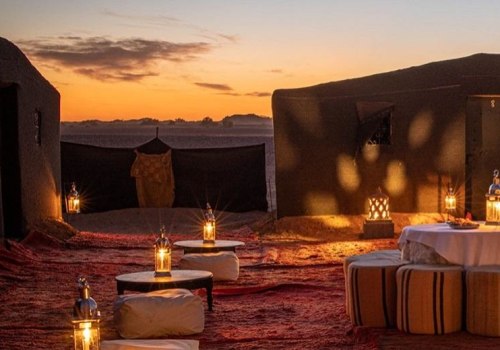
Morocco is a land where the past and present intertwine, creating a vibrant tapestry of culture that captivates the senses. As you embark on your journey through this North African gem, you will quickly discover that Moroccan culture is not just about stunning landscapes and delicious cuisine; it is also deeply rooted in a complex web of beliefs and traditions that shape the daily lives of its people. From bustling souks to serene desert landscapes, every corner of Morocco tells a story steeped in history and spirituality. At the heart of Moroccan culture lies a rich array of taboos and superstitions that have been passed down through generations. These beliefs often reflect the values and norms of society, influencing everything from social interactions to personal conduct.
For instance, the significance of using the right hand for greetings and sharing food underscores the importance of respect and cleanliness in Moroccan society. Such customs are not merely rules; they are integral to understanding the essence of Moroccan hospitality and community. As you delve deeper into your cultural immersioncultural immersion experience, you will find that these taboos and superstitions serve as a lens through which to view the world. They offer insights into how Moroccans perceive luck, misfortune, and the unseen forces that govern their lives. Whether it’s the protective charms worn against the evil eye or the rituals performed during significant life events, these practices enrich your travel experience by providing context to the vibrant culture around you. In this exploration of Moroccan beliefs, we invite you to open your mind and heart to the fascinating customs that define this remarkable country.
By understanding these cultural nuances, you will not only enhance your appreciation for Morocco but also foster deeper connections with its people during your travels.
Understanding Taboos in Moroccan Society
Moroccan society is steeped in a rich tapestry of traditions and customs, many of which are governed by a set of taboos that reflect the values and beliefs of its people. Understanding these cultural taboos is essential for anyone looking to engage respectfully with locals during their travels. These taboos not only shape social interactions but also provide insight into the historical and religious influences that have molded Moroccan culture over centuries. One of the most significant taboos in Morocco revolves around the use of the left hand. In many cultures, the left hand is simply a matter of preference; however, in Morocco, it is considered unclean and is associated with personal hygiene tasks.As a result, using your left hand to greet someone, pass food, or offer gifts can be seen as highly disrespectful. Visitors should always use their right hand for such interactions to avoid causing offense. Another important taboo relates to footwear. In Moroccan culture, it is customary to remove shoes before entering a home or mosque. This practice stems from the belief that shoes carry dirt and negative energy from the outside world.
Therefore, when invited into a Moroccan home, it is polite to follow this tradition and leave your shoes at the door. Not only does this show respect for the host's space, but it also aligns with the cultural emphasis on cleanliness. Modesty in dress is another crucial aspect of Moroccan social norms. Women are generally expected to wear clothing that covers their arms and legs, particularly in rural areas or when visiting religious sites. Tight-fitting or revealing attire can be viewed as disrespectful and may attract unwanted attention.
Men are also encouraged to dress conservatively, avoiding shorts or tank tops in public settings. Moreover, certain topics are considered taboo for conversation in Moroccan society. Discussions surrounding politics, religion, and personal matters can be sensitive and may lead to discomfort or conflict. It is advisable for travelers to steer clear of these subjects unless they are initiated by the local person themselves. Understanding these cultural taboos not only enhances your travel experience but also fosters mutual respect between visitors and locals. By adhering to these social norms, you demonstrate an appreciation for Moroccan culture that can lead to more meaningful interactions during your journey.
Common Taboos: What to Avoid While Traveling in Morocco
Traveling to Morocco offers a unique opportunity to immerse yourself in a rich tapestry of culture and tradition.However, to ensure a respectful and enjoyable experience, it is crucial to be aware of certain taboos that are deeply rooted in Moroccan society. Understanding these cultural nuances will not only enhance your travel experience but also foster positive interactions with the locals.
1.The Left Hand: A Cultural No-No
In Moroccan culture, the left hand is considered unclean and is associated with personal hygiene. As such, using your left hand for greetings, eating, or passing items can be seen as disrespectful. Always use your right hand when interacting with others, whether you are shaking hands or sharing food.
This simple gesture demonstrates respect for local customs and helps you connect more authentically with the people you meet.
2.Dress Code: Modesty Matters
Morocco is a predominantly Muslim country, and modesty in dress is highly valued. For women, wearing revealing or tight-fitting clothing can attract unwanted attention and may be perceived as disrespectful. It is advisable to wear loose-fitting garments that cover the arms and legs, especially when visiting religious sites or rural areas. Men should also dress conservatively; shorts and tank tops are generally frowned upon in public spaces.
3.Footwear Etiquette
When entering a home or mosque, it is customary to remove your shoes.
This practice stems from the belief that shoes carry dirt and negative energy into sacred spaces. Always look for cues from your hosts; if they remove their shoes, follow suit. This small act of respect can go a long way in building rapport with locals.
4.Conversation Topics: Tread Carefully
Certain subjects are considered taboo in Moroccan conversations, particularly politics, religion, and personal matters. Engaging in discussions about these topics can lead to discomfort or offense.
Instead, focus on neutral subjects such as food, travel experiences, or local customs. If someone brings up a sensitive topic, listen attentively but avoid expressing strong opinions unless you are sure of the context.
5.Public Displays of Affection
While Morocco is becoming more liberal in some aspects, public displays of affection between couples—especially those who are not married—are still frowned upon. Holding hands may be acceptable among married couples, but more intimate gestures should be reserved for private settings.
6.Photography Etiquette
Always ask for permission before taking photographs of people, especially in rural areas or during religious ceremonies. Some individuals may feel uncomfortable being photographed due to cultural beliefs or personal preferences.
Respecting their wishes not only shows consideration but also enriches your travel experience by fostering trust. By being mindful of these taboos and cultural etiquettes while traveling in Morocco, you will not only avoid unintentional offenses but also gain deeper insights into the local way of life. Embracing these practices will enhance your journey and create meaningful connections with the Moroccan people.
The Role of Superstitions in Moroccan Life
In Morocco, superstitions are not merely remnants of ancient beliefs; they are vibrant threads woven into the fabric of daily life. These cultural beliefs shape the way Moroccans interact with one another and the world around them, influencing decisions, behaviors, and even social norms. One of the most prevalent superstitions in Moroccan culture is the belief in the evil eye. This concept suggests that envy or jealousy from others can bring misfortune or harm.To guard against this malevolent gaze, many Moroccans wear protective amulets, such as the Hand of Fatima or the Eye of Horus, which are thought to deflect negative energy. This practice is so ingrained that it often extends to children, who may wear these symbols from a young age to ensure their safety and well-being. Another significant superstition involves the number seven, which is considered a symbol of luck and perfection. Many Moroccans incorporate this number into various aspects of their lives, from choosing phone numbers to arranging furniture in groups of seven. This belief reflects a broader cultural tendency to find meaning in numbers and patterns, influencing everything from personal choices to business decisions. Housewarming rituals also highlight the importance of superstitions in Moroccan life.
When moving into a new home, it is customary to bring a broom and sweep the space before unpacking any belongings. This act is believed to cleanse the home of any lingering negative energy or spirits left by previous occupants. Such practices underscore how deeply embedded these beliefs are in everyday activities. Moreover, certain days are considered more auspicious than others for undertaking significant tasks, such as starting a new job or embarking on a journey. For instance, many Moroccans avoid beginning new ventures on Fridays, as it is seen as an inauspicious day.
Instead, they may choose Sundays or Mondays for important undertakings, reflecting a careful consideration of timing influenced by superstition. In social interactions, topics like politics and religion are often approached with caution due to their potential to provoke strong opinions and conflict. This avoidance can be traced back to superstitions surrounding negative energy and bad luck associated with contentious discussions. By steering clear of these subjects, Moroccans aim to maintain harmony and positive relationships within their communities. Ultimately, superstitions in Morocco serve as a lens through which individuals view their world. They provide comfort and guidance in uncertain situations while fostering a sense of community among those who share similar beliefs.
Understanding these cultural nuances not only enriches your travel experience but also deepens your appreciation for the Moroccan way of life.
Fascinating Superstitions: From the Evil Eye to Lucky Numbers
Moroccan culture is steeped in a rich tapestry of superstitions that reflect the beliefs and values of its people. Among these, the evil eye stands out as one of the most pervasive and significant superstitions. This belief holds that certain individuals can cast a malevolent gaze, resulting in misfortune or harm to the recipient. To protect themselves from this curse, many Moroccans wear amulets known as hamsa or the Hand of Fatima, which are thought to ward off negative energy and bring good fortune. In addition to protective symbols, rituals are often employed to counteract the effects of the evil eye.For instance, it is common for families to perform a cleansing ritual involving the burning of incense or herbs, which is believed to purify the space and dispel any lingering negative influences. This practice not only serves as a spiritual safeguard but also fosters a sense of community as families come together to support one another. Another fascinating aspect of Moroccan superstition revolves around numbers, particularly the number seven. In Moroccan culture, seven is considered a symbol of perfection and completeness. This belief is so deeply ingrained that many people will go out of their way to incorporate this number into various aspects of their lives.
For example, it is not uncommon for individuals to choose phone numbers or license plates that contain the digit seven, or even arrange their furniture in groups of seven. The significance of numbers extends beyond just seven; other numbers also hold special meanings. The number three , for instance, is often associated with good luck and prosperity. Many Moroccans believe that performing actions in threes—such as making wishes or setting intentions—can amplify their chances of success. Similarly, the number forty is linked to spiritual significance, often associated with periods of mourning or reflection. Understanding these superstitions provides travelers with a deeper appreciation for Moroccan culture.
By recognizing the importance of the evil eye and lucky numbers, visitors can engage more meaningfully with locals and participate in cultural practices that honor these beliefs. Whether you find yourself admiring a beautifully crafted hamsa or observing a family ritual, embracing these superstitions can enrich your experience during your Moroccan safari travel. or observing a family ritual, embracing these superstitions can enrich your experience during your Moroccan safari travel.
Integrating Taboos and Superstitions into Your Travel Experience
Traveling to Morocco offers a unique opportunity to engage with a culture rich in history, traditions, and beliefs. To truly enhance your cultural immersion travel experience, it is essential to understand and respect the local taboos and superstitions that shape daily life in this vibrant country. Here are some practical tips on how to integrate this knowledge into your travels.1.Research Before You Go
- Familiarize yourself with common taboos, such as the significance of using the right hand for greetings and eating.
Understanding these customs will help you avoid unintentional disrespect.
- Learn about local superstitions, like the importance of the number seven or the protective symbols like the Hand of Fatima. This knowledge can enrich your conversations with locals.
2.Observe and Adapt
- When interacting with Moroccans, pay attention to their body language and social cues. For instance, if someone removes their shoes before entering a home, follow suit to show respect.
- Dress modestly, especially when visiting religious sites or rural areas. Women should consider wearing long skirts or dresses, while men should avoid shorts and tank tops.
3.Engage Respectfully
- When invited into a Moroccan home, bring a small gift as a token of appreciation.
This gesture is highly valued and reflects your understanding of local customs.
- Avoid discussing sensitive topics such as politics or religion unless prompted by your host. Instead, focus on lighter subjects like food, art, or local traditions.
4.Participate in Local Customs
- Join in on local rituals or celebrations if invited. Whether it’s a wedding or a festival, participating can provide deeper insights into Moroccan culture.
- Try traditional Moroccan dishes while being mindful of dining etiquette. For example, use your right hand to eat from communal plates and express gratitude for the meal.
5.Be Open-Minded
- Approach superstitions with curiosity rather than skepticism.
Understanding that these beliefs hold significant meaning for locals can enhance your travel experience.
- Engage with local artisans or storytellers who can share tales about the origins of various taboos and superstitions, providing context to your experiences.
FAQs About Taboos and Superstitions in Morocco
When traveling to Morocco, understanding the local taboos and superstitions can enhance your experience and help you navigate social interactions more smoothly. Here are some frequently asked questions that can provide clarity on this fascinating aspect of Moroccan culture.What are some common taboos in Moroccan culture?
Moroccan culture is rich with taboos that reflect its values and beliefs. Some of the most notable include:-
Use of the Left Hand: The left hand is considered unclean and is typically reserved for personal hygiene.
Always use your right hand when greeting others or sharing food.
- Foot Etiquette: Pointing your feet at someone is seen as disrespectful. When sitting, keep your feet flat on the ground or crossed at the ankles.
- Shoe Removal: It is customary to remove shoes before entering homes or mosques, as shoes are viewed as unclean.
- Modesty in Dress: Dressing modestly is important, especially for women. Revealing clothing can be seen as disrespectful, particularly in religious settings.
Are there any superstitions I should be aware of?
Yes, superstitions play a significant role in daily life in Morocco. Some common ones include:- The Evil Eye: Many believe that envy can bring harm, so protective amulets like the Hand of Fatima are often worn to ward off negative energy.
- Housewarming Rituals: When moving into a new home, it is customary to sweep the house with a broom before bringing in any belongings to clear away negative spirits.
- The Number 7: This number is considered lucky and is often incorporated into various aspects of life, from choosing phone numbers to arranging furniture.
How can I show respect for Moroccan customs?
To show respect for Moroccan customs, consider the following tips:- Learn Basic Phrases: Knowing a few words in Arabic or Berber can go a long way in showing respect for the local culture.
- Observe Local Practices: Pay attention to how locals behave in social situations and follow their lead, especially regarding greetings and dining etiquette.
- Avoid Sensitive Topics: Steer clear of discussions about politics or religion unless invited to share your thoughts.
Conclusion: Embracing Cultural Richness During Your Moroccan Safari
As we conclude our exploration of the taboos and superstitions that shape Moroccan culture, it becomes clear that understanding these customs is essential for anyone embarking on a Morocco safari travel adventure.The rich tapestry of beliefs and practices not only enhances your travel experience but also fosters a deeper appreciation for the local way of life. Throughout this article, we have uncovered various aspects of Moroccan culture, from the significance of using the right hand in social interactions to the importance of modest dress codes. These customs are not mere rules; they are reflections of a society that values respect, tradition, and community. By adhering to these practices, travelers can demonstrate their respect for Moroccan culture, paving the way for more meaningful interactions with locals. Moreover, the superstitions that permeate daily life in Morocco offer fascinating insights into the collective psyche of its people. For instance, the belief in the evil eye and the protective power of amulets illustrates how deeply intertwined spirituality is with everyday existence.
Understanding these beliefs can enrich your experience as you navigate through bustling markets or participate in local festivities. In summary, embracing the cultural richness of Morocco during your travels is not just about observing its stunning landscapes or indulging in its delectable cuisine; it is about engaging with its people and their traditions. By respecting local customs and being mindful of taboos, you will not only enhance your own travel experience but also contribute positively to the communities you visit. As you plan your next Morocco safari travel itinerary, consider incorporating opportunities to learn about and engage with these cultural elements. Whether it’s through guided tours that emphasize local traditions or simply taking the time to converse with residents about their beliefs, every effort you make will lead to a richer understanding of this captivating country. Ultimately, a journey through Morocco is an invitation to immerse yourself in a world where ancient customs coexist with modern life. By embracing this cultural richness, you will create lasting memories and foster connections that transcend borders.