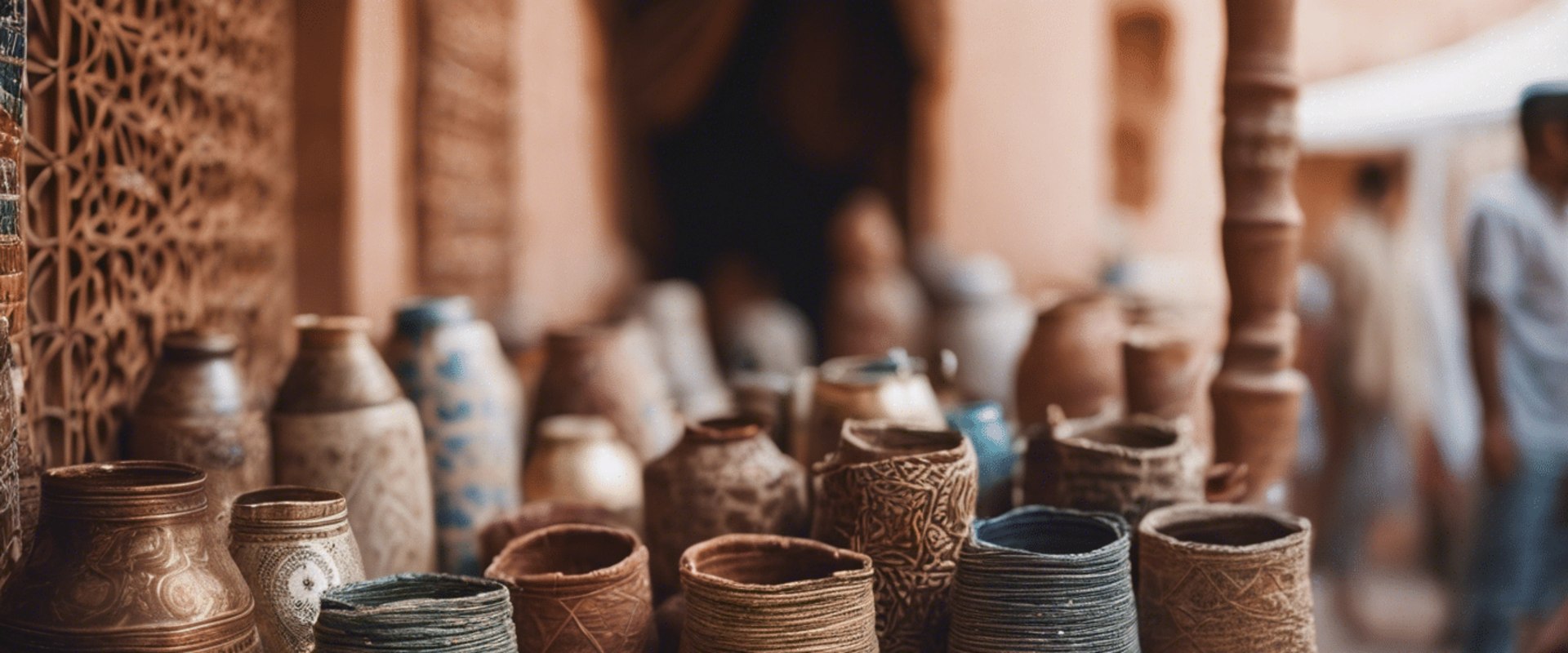
Morocco is a land steeped in history, where the vibrant tapestry of culture is woven through the skilled hands of local artisans and craftsmen. As you embark on your Morocco safari travel, you will discover that the essence of this North African nation lies not only in its breathtaking landscapes but also in the rich traditions that have been preserved through generations. From the bustling souks of Marrakech to the serene villages nestled in the Atlas Mountains, each corner of Morocco offers a unique glimpse into the artistry that defines its cultural heritage. The artisans of Morocco are custodians of age-old techniques, creating stunning works that reflect the diverse influences that have shaped the country over centuries. Whether it’s the intricate tile work known as zellige, the vibrant textiles handwoven by Berber women, or the delicate metalwork crafted by skilled blacksmiths, each piece tells a story of its origin and purpose. , you will discover that the essence of this North African nation lies not only in its breathtaking landscapes but also in the rich traditions that have been preserved through generations. From the bustling souks of Marrakech to the serene villages nestled in the Atlas Mountains, each corner of Morocco offers a unique glimpse into the artistry that defines its cultural heritage. The artisans of Morocco are custodians of age-old techniques, creating stunning works that reflect the diverse influences that have shaped the country over centuries. Whether it’s the intricate tile work known as zellige, the vibrant textiles handwoven by Berber women, or the delicate metalwork crafted by skilled blacksmiths, each piece tells a story of its origin and purpose.
These crafts are not merely products; they are embodiments of identity, tradition, and community spirit. Visiting local artisans provides an unparalleled opportunity for cultural immersion. It allows travelers to engage with the people behind the crafts, learn about their methods, and understand the significance of their work within Moroccan society. This connection fosters a deeper appreciation for the artistry involved and highlights the importance of supporting these craftsmen in preserving their cultural practices. As you navigate through workshops and markets, you will witness firsthand how these artisans pour their heart and soul into every creation, making each item a unique treasure. In this journey through Morocco's artistic landscape, you will not only collect beautiful souvenirs but also gain insights into the values and traditions that shape Moroccan life.
The experience transcends mere tourism; it becomes a celebration of creativity and heritage that enriches your understanding of this enchanting country. Prepare to be captivated by the stories behind each craft and inspired by the passion of those who dedicate their lives to keeping these traditions alive.
The Significance of Artisans in Moroccan Society
Artisans play a pivotal role in Moroccan society, serving as custodians of the nation’s rich cultural heritage and identity. Their crafts are not merely products; they are expressions of history, tradition, and community values that have been passed down through generations. Each piece created by these skilled craftsmen tells a story, reflecting the unique cultural tapestry of Morocco. One of the most significant aspects of Moroccan artisanship is its deep-rooted connection to local traditions.For instance, pottery from Fez is renowned for its intricate designs and vibrant colors, often inspired by Islamic art and architecture. This craft has been practiced for centuries, with techniques that have remained largely unchanged, showcasing the importance of preserving traditional methods in a rapidly modernizing world. Similarly, rug weaving in the Atlas Mountains is not just a trade but a vital part of Berber culture. Each rug is a unique narrative woven into its fabric, often depicting symbols and patterns that hold specific meanings within the community. The process of creating these rugs involves not only skill but also a deep understanding of cultural significance, making them treasured items that connect the weaver to their ancestry. The significance of artisans extends beyond their crafts; they are integral to the local economy.
By supporting these craftsmen, visitors contribute to sustainable livelihoods that empower communities. Markets filled with handmade goods provide artisans with a platform to showcase their work while fostering a sense of pride in their cultural identity. Moreover, traditional crafts serve as a bridge between generations. Young apprentices learn from seasoned artisans, ensuring that age-old techniques are not lost to time. This mentorship fosters a sense of community and continuity, reinforcing the idea that craftsmanship is not just about creating objects but about nurturing relationships and preserving heritage. In conclusion, the importance of artisans in Morocco cannot be overstated.
Their work encapsulates the essence of Moroccan culture and identity, offering insights into the country’s history and values. By engaging with local artisans during your travels, you not only gain unique souvenirs but also participate in a meaningful exchange that honors and sustains Morocco's rich artistic legacy.
Regions to Explore: The Atlas Mountains and Beyond
Morocco is a land of diverse landscapes and rich cultural heritage, making it a prime destination for those interested in exploring the craftsmanship of local artisans. Among the most captivating regions to visit is the Atlas Mountains , where the Berber people have preserved their traditional crafts for centuries. This mountainous region is not only breathtaking in its natural beauty but also serves as a vibrant hub for artisans who create unique, handmade goods. The Atlas Mountains are renowned for their intricate handwoven rugs , which are often made from natural wool dyed with local plants.Each rug tells a story, reflecting the history and culture of the Berber tribes. Visitors can witness the entire process, from shearing sheep to weaving on traditional looms, and even participate in workshops to learn these age-old techniques. In addition to rugs, the region is famous for its ceramics. Towns like Azrou and Fes are known for their beautifully painted pottery, featuring vibrant colors and intricate designs. Artisans here often use traditional methods that have been passed down through generations, ensuring that each piece is not only functional but also a work of art. Moving beyond the Atlas Mountains, other regions in Morocco also boast unique crafts.
For instance, in the coastal city of Essaouira, you can find skilled craftsmen specializing in woodwork , particularly thuya wood, which is native to the region. The artisans create stunning furniture and decorative items that showcase intricate carvings and inlays. The southern regions of Morocco, particularly around Tinghir and Ouarzazate, are known for their jewelry making. Here, artisans craft beautiful silver pieces adorned with semi-precious stones, often inspired by Berber motifs. These pieces are not only popular among tourists but also hold significant cultural value within local communities. As you journey through these regions, you will discover that each artisan has a unique story and a deep connection to their craft.
By visiting these local workshops and markets, you not only support their livelihoods but also gain insight into the rich tapestry of Moroccan culture. Whether you're exploring the Atlas Mountains or venturing into coastal towns, the artistry found throughout Morocco is sure to leave a lasting impression.
Types of Crafts: From Textiles to Pottery
Morocco is a vibrant tapestry of culture and tradition, and its crafts reflect the rich heritage of its people. Among the most celebrated forms of Moroccan craftsmanship are textiles, pottery, and metalwork, each showcasing unique techniques and materials that have been perfected over centuries.Textiles: Weaving Stories
Moroccan textiles are renowned for their vivid colors and intricate patterns. The art of weaving is particularly prominent among the Berber communities, where traditional methods are still employed.Handwoven rugs , known as kilims, are crafted using natural fibers such as wool and cotton. These rugs often feature geometric designs that tell stories of the weaver's family history or local folklore. In addition to rugs, Moroccan artisans produce a variety of textiles including scarves , blankets , and clothing. The use of natural dyes derived from plants and minerals enhances the beauty of these fabrics while ensuring they remain environmentally friendly. Visitors can often witness the dyeing process firsthand in local workshops, where artisans skillfully blend colors to create stunning patterns.
Pottery: A Blend of Function and Art
Pottery in Morocco is not just functional; it is an art form that reflects the country's diverse cultural influences.The city of Fes is particularly famous for its ceramics , characterized by intricate hand-painted designs in vibrant blues, greens, and yellows. Artisans use a technique called zellige, which involves creating geometric mosaics from small pieces of colored tiles. The pottery-making process begins with shaping clay by hand or using a potter's wheel. Once shaped, the pieces are left to dry before being fired in a kiln. After firing, artisans apply glazes that are often made from natural materials, resulting in unique finishes that can vary from piece to piece.
Metalwork: Crafting Beauty from Metal
The art of metalwork in Morocco is another significant aspect of its craftsmanship.Artisans create stunning pieces from brass, copper, and silver, often using techniques such as engraving and filigree to add intricate details. Traditional items include lanterns , trays , and jewelry , each reflecting the artisan's skill and creativity. In cities like Marrakech, you can find bustling souks filled with metalwork shops where artisans showcase their creations. Visitors can observe the meticulous process of hammering and shaping metal into beautiful forms, often accompanied by the rhythmic sounds of tools striking metal. By exploring these various crafts during your visit to Morocco, you not only gain insight into the artistic traditions of the country but also support local artisans who keep these age-old practices alive.
Experiencing Artisan Workshops: Hands-On Learning
One of the most enriching aspects of visiting Morocco is the opportunity to engage directly with local artisans through hands-on workshops. These experiences not only allow travelers to learn about traditional crafts but also provide a deeper understanding of the cultural significance behind each art form.By participating in these workshops, you can connect with the artisans on a personal level, gaining insights into their techniques and the stories that inspire their work. In the heart of the Atlas Mountains, you will find numerous workshops where skilled craftsmen are eager to share their expertise. Here are some popular artisan workshops you might consider:
- Pottery Workshops: In towns like Safi, known for its vibrant ceramics, you can learn the art of pottery making. Under the guidance of a master potter, you will have the chance to shape clay into beautiful pieces, discovering the intricate glazing techniques that make Moroccan pottery unique.
-
Rug Weaving Classes: The Berber people are renowned for their stunning handwoven rugs. In various villages, you can participate in rug weaving workshops where you will learn about different patterns and techniques.
This hands-on experience allows you to create your own small piece to take home as a cherished souvenir.
- Leather Crafting Sessions: Marrakech is famous for its leather goods. In local tanneries, artisans will teach you how to work with leather, from cutting and stitching to dyeing. This workshop not only enhances your crafting skills but also gives you an appreciation for the labor-intensive process behind each leather item.
- Metalwork Workshops: In cities like Fes, known for its intricate metalwork, you can engage in workshops that focus on traditional techniques such as engraving and filigree. Here, artisans will guide you through creating your own metal piece, allowing you to experience the precision and artistry involved in this craft.
By learning from these talented individuals, you contribute to the sustainability of their craft and help keep their cultural heritage alive. Moreover, these hands-on experiences foster a sense of connection between travelers and the local community. As you work alongside artisans, sharing stories and laughter, you'll gain a profound appreciation for their way of life and the dedication they put into their craft. This immersive approach not only enriches your travel experience but also creates lasting memories that go beyond mere sightseeing. In conclusion, engaging in artisan workshops during your visit to Morocco is an invaluable opportunity to learn about traditional crafts while connecting with the rich cultural tapestry of the country. Whether you're molding clay or weaving threads, each workshop offers a unique glimpse into Moroccan heritage that will enhance your understanding and appreciation of this vibrant culture.
Visiting Local Markets: A Shopper's Paradise
When it comes to experiencing the vibrant culture of Morocco, visiting local markets is an absolute must.These bustling bazaars are not just places to shop; they are a sensory feast where the sights, sounds, and smells come together to create an unforgettable atmosphere. From the moment you step into a market, you are greeted by the rich aroma of spices, the vibrant colors of textiles, and the intricate designs of handcrafted goods. Local markets in Morocco, often referred to as souks , offer a unique opportunity to purchase artisan goods directly from the craftsmen themselves. This direct interaction not only allows you to learn about the stories behind each piece but also fosters a deeper connection with the culture. Here are some of the most notable markets you should consider visiting:
- Souk Semmarine in Marrakech: Known for its stunning array of textiles, this market is a paradise for those looking to buy traditional Moroccan rugs, scarves, and clothing.
- Souk el Had in Agadir: This market is famous for its fresh produce and local handicrafts, making it an excellent spot for both food lovers and shoppers.
- Fes el-Bali : The ancient medina of Fes is home to numerous artisan workshops where you can find exquisite pottery, leather goods, and intricate metalwork.
By purchasing directly from artisans, you ensure that your money goes back into the community, helping to sustain traditional crafts that have been passed down through generations. This practice promotes fair trade and encourages artisans to continue their craft in an age where mass production often overshadows handmade goods. Moreover, many artisans are eager to share their skills with visitors. You might find opportunities to participate in workshops where you can learn about pottery making or weaving techniques firsthand. This immersive experience adds another layer of value to your shopping adventure. In conclusion, local markets in Morocco are more than just shopping destinations; they are vibrant cultural hubs that offer insight into the country’s rich heritage.
By exploring these markets and purchasing artisan goods, you not only take home a piece of Morocco but also contribute to preserving its cultural legacy.
Cultural Activities: Beyond Shopping for Crafts
While visiting local artisans and craftsmen in Morocco offers a unique glimpse into the country’s rich cultural heritage, there are numerous cultural activities that can further enhance your experience. Engaging in these activities allows you to immerse yourself in the traditions and customs of Morocco, creating a well-rounded travel experience.Cooking Classes: A Culinary Journey
One of the most delightful ways to connect with Moroccan culture is through its cuisine. Participating in a cooking class not only teaches you how to prepare traditional dishes but also provides insight into the ingredients and techniques that define Moroccan cooking. Many classes begin with a visit to a local market, where you can select fresh produce and spices, learning about their significance in Moroccan dishes. In the kitchen, you’ll have the opportunity to create iconic meals such as tajine, a slow-cooked stew named after the earthenware pot it’s cooked in, or couscous, often served with vegetables and meat.As you chop, stir, and season, your instructor will share stories about the cultural importance of each dish, making the experience both educational and enjoyable.
Traditional Music: A Rhythmic Experience
No visit to Morocco would be complete without experiencing its vibrant music scene. Traditional music is deeply woven into the fabric of Moroccan culture, with various styles reflecting the diverse regions of the country. From the soulful sounds of gnawa music, which combines African, Berber, and Arab influences, to the lively rhythms of chaabi, there is something for every music lover. Consider attending a live performance or even participating in a music workshop where you can learn to play traditional instruments like the oud or bendir. These experiences not only entertain but also provide a deeper understanding of how music serves as a form of storytelling and cultural expression in Moroccan society.Cultural Festivals: Celebrating Heritage
If your visit coincides with one of Morocco’s many cultural festivals, seize the opportunity to participate.Events such as the Marrakech Popular Arts Festival or the Fes Festival of World Sacred Music showcase local artisans, musicians, and performers. These festivals celebrate Morocco’s rich heritage through art, dance, and culinary delights, offering an immersive experience that goes beyond mere observation. By engaging in these cultural activities alongside your visits to local artisans, you will gain a holistic understanding of Moroccan culture. Whether through cooking classes that tantalize your taste buds or music performances that stir your soul, each experience adds depth to your journey through this enchanting country.
Sustainable Tourism: Supporting Local Artisans
As travelers increasingly seek authentic experiences, the concept of sustainable tourism has gained prominence, particularly in culturally rich destinations like Morocco. Supporting local artisans not only enhances your travel experience but also contributes positively to the communities you visit.By engaging with local craftsmen, you can help preserve traditional skills and promote economic stability in these regions. When you choose to purchase handmade goods directly from artisans, you ensure that a larger portion of your money stays within the community. This practice contrasts sharply with mass-produced items found in tourist shops, where profits often go to large corporations rather than local families. By investing in local craftsmanship, you are supporting livelihoods and helping to sustain cultural heritage. Moreover, ethical travel goes beyond mere transactions; it involves understanding the stories behind the crafts. Many artisans are eager to share their techniques and the cultural significance of their work.
This interaction fosters a deeper appreciation for Moroccan traditions and encourages travelers to become advocates for sustainable practices.
- Participate in Workshops: Many artisans offer workshops where visitors can learn traditional crafts such as pottery, weaving, or leatherwork. This hands-on experience not only enriches your understanding but also provides a direct source of income for the artisans.
- Buy Local: Seek out local markets and artisan cooperatives instead of tourist traps. These venues often feature a wider variety of authentic products and ensure that your purchases directly benefit the creators.
- Respect Cultural Practices: When visiting artisan workshops, be mindful of local customs and practices. Showing respect for their traditions fosters goodwill and encourages sustainable tourism.
By making conscious choices during your travels, you can help preserve the rich tapestry of Moroccan culture while enjoying unique experiences that will stay with you long after your journey ends.
Conclusion: Embracing the Spirit of Moroccan Craftsmanship
As we conclude our exploration of the vibrant world of Moroccan artisans and craftsmen, it becomes clear that visiting these skilled individuals is not merely an opportunity to purchase unique souvenirs; it is a profound journey into the heart of Moroccan culture and tradition. Each piece of art, whether it be a handwoven rug, a delicately painted ceramic, or intricately designed metalwork, tells a story that reflects the rich history and diverse influences that have shaped Morocco over centuries. By engaging with local artisans, travelers gain invaluable insights into the techniques and materials that define Moroccan craftsmanship. These artisans are the custodians of their cultural heritage, often using methods that have been passed down through generations. This connection to tradition not only enriches the travel experience but also fosters a deeper appreciation for the artistry involved in creating these beautiful works. Moreover, supporting local artisans contributes to the sustainability of their crafts and livelihoods.In a world increasingly dominated by mass production, purchasing handmade goods directly from the creators helps preserve traditional skills and ensures that these crafts continue to thrive. It is an act of empowerment that allows travelers to play a role in sustaining the cultural fabric of Morocco. In addition to shopping, participating in workshops or demonstrations offers an immersive experience that enhances understanding and respect for Moroccan culture. Whether it’s learning how to weave a rug or trying your hand at pottery, these hands-on experiences create lasting memories and foster connections between visitors and local communities. Ultimately, embracing the spirit of Moroccan craftsmanship means recognizing the value of authenticity in our travel experiences. It encourages us to seek out genuine interactions and to appreciate the stories behind each handcrafted item.
As you plan your next adventure in Morocco, make it a priority to visit local artisans and craftsmen. Not only will you leave with unique treasures, but you will also carry with you a deeper understanding of Morocco’s rich cultural heritage.