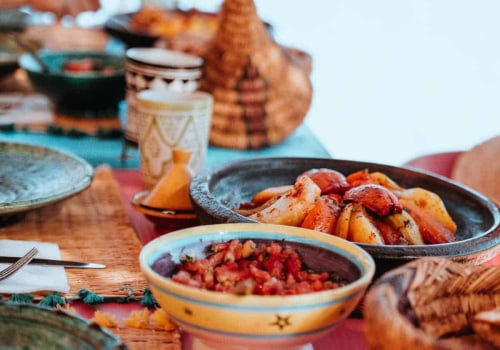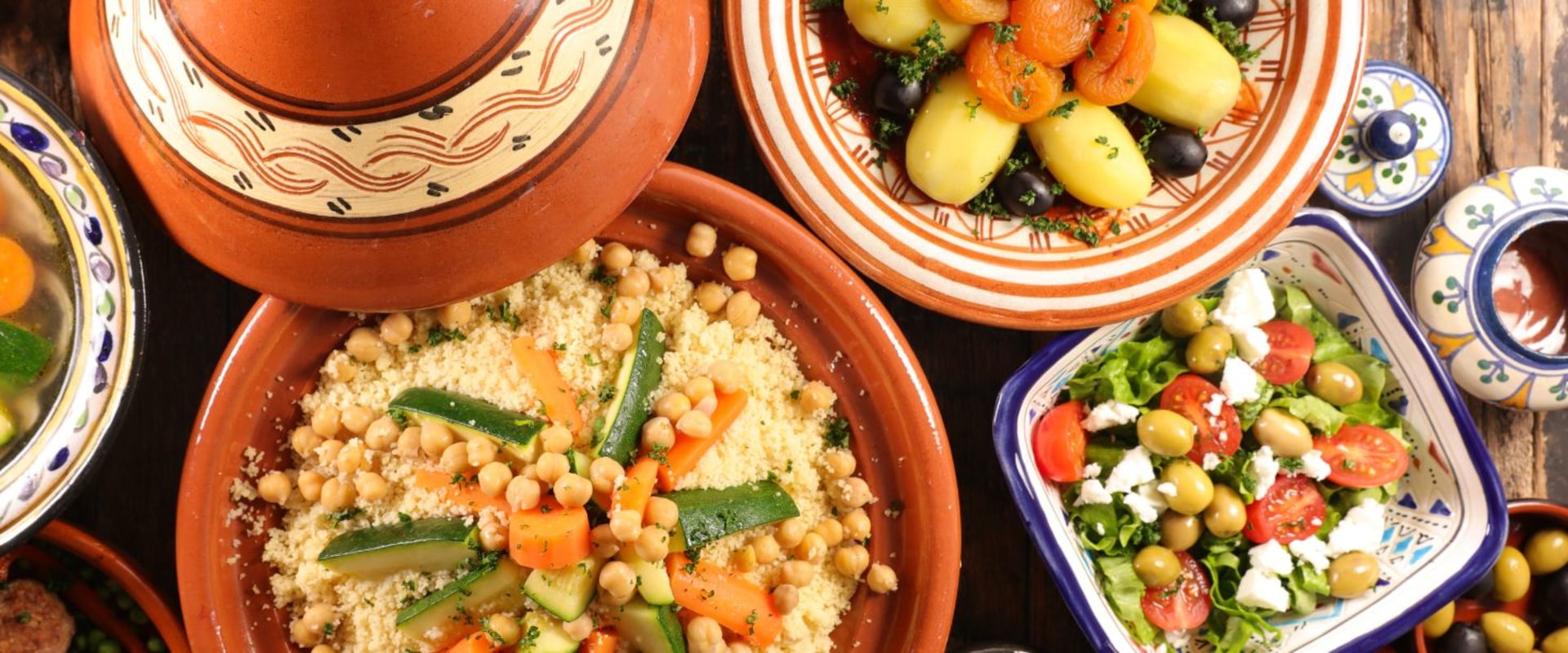
Moroccan cuisine is a vibrant tapestry woven from a rich history of cultural influences, geographical diversity, and culinary traditions that have evolved over centuries. This North African gem is renowned for its bold flavors, aromatic spices, and intricate cooking techniques that reflect the country’s diverse heritage. From the bustling souks of Marrakech to the serene landscapes of the Sahara, every region in Morocco offers a unique culinary experience that captivates the senses and tells a story of its own. At the heart of Moroccan cooking lies an array of spices that elevate dishes to new heights. Moroccan cuisine is a vibrant tapestry woven from a rich history of cultural influences, geographical diversity, and culinary traditions that have evolved over centuries. This North African gem is renowned for its bold flavors, aromatic spices, and intricate cooking techniques that reflect the country’s diverse heritage. From the bustling souks of Marrakech to the serene landscapes of the Sahara, every region in Morocco offers a unique culinary experience that captivates the senses and tells a story of its own. At the heart of Moroccan cooking lies an array of spices that elevate dishes to new heights. Cumin , coriander , paprika , and cinnamon are just a few of the essential ingredients that contribute to the complex flavor profiles characteristic of Moroccan meals.
These spices are not merely seasonings; they are integral to the identity of Moroccan cuisine, each bringing its own unique essence to the table. The careful balance and combination of these spices create a symphony of flavors that dance on the palate, making every meal an unforgettable experience. The culinary traditions of Morocco are deeply rooted in communal dining and hospitality. Meals are often shared among family and friends, fostering connections and creating lasting memories. Traditional dishes like tagines and couscous are prepared with love and care, often taking hours to perfect.
This dedication to food reflects the Moroccan philosophy that cooking is an art form, where each ingredient plays a vital role in crafting a harmonious dish. As we delve deeper into the world of Moroccan cuisine, we will uncover how spices like cumin not only enhance flavors but also embody cultural significance. Join us on this flavorful journey as we explore the magic of cumin and its pivotal role in shaping the culinary landscape of Morocco.
Cumin: A Spice with History
Cumin, a spice that has captivated the culinary world for centuries, boasts a rich history that traces back to ancient civilizations. Its origins can be found in the Mediterranean region, particularly in areas that are now part of Egypt and the Middle East. Archaeological evidence suggests that cumin was cultivated as early as 2000 BC, making it one of the oldest spices known to humanity. In ancient Egypt, cumin was highly valued not only for its flavor but also for its medicinal properties.It was often used in embalming processes and was believed to have protective qualities. The spice was so revered that it was even mentioned in the Bible, highlighting its significance in various cultures throughout history. As trade routes expanded, cumin made its way to different parts of the world, including Europe and Asia. The spice became a staple in Roman cuisine, where it was used to flavor dishes and as a preservative. The Romans recognized cumin's ability to enhance flavors and its potential health benefits, which contributed to its widespread use. In Morocco, cumin holds a special place in the culinary landscape.
It is not merely an ingredient; it is a symbol of cultural identity and tradition. Moroccan cuisine has been influenced by various cultures over the centuries, including Berber, Arab, and Mediterranean influences. Cumin's integration into Moroccan cooking reflects this rich tapestry of history. Today, cumin is an essential component of many traditional Moroccan dishes, such as tagines and couscous. Its warm, earthy flavor complements a variety of ingredients, making it a versatile spice that enhances both savory and sweet dishes.
The cultural significance of cumin in Morocco extends beyond the kitchen; it is often associated with hospitality and communal gatherings. Understanding the historical context of cumin enriches our appreciation for this remarkable spice. From its ancient roots to its modern-day applications in Moroccan cuisine, cumin continues to be a beloved ingredient that connects us to our culinary heritage.
Culinary Uses of Cumin in Moroccan Dishes
Cumin is a cornerstone of Moroccan cuisine, celebrated for its ability to enhance the flavors of a wide array of dishes. Its warm, earthy notes make it an indispensable ingredient in many traditional recipes, allowing cooks to create meals that are both aromatic and deeply satisfying. One of the most iconic dishes featuring cumin is the tagine. This slow-cooked stew can be made with various meats, such as chicken, lamb, or beef, and is often accompanied by vegetables and dried fruits.The addition of cumin not only elevates the dish's flavor but also complements other spices like coriander and cinnamon. For a classic chicken tagine, marinate the chicken in a mixture of cumin, garlic, and olive oil before cooking it with preserved lemons and olives. This combination results in a dish that is both savory and tangy, showcasing the versatility of cumin. Another staple where cumin shines is in couscous. This fluffy grain is typically served as a side dish or base for stews.
To infuse couscous with flavor, consider toasting cumin seeds before adding them to the cooking water. This technique releases their essential oils, enhancing the overall taste. You can also mix cooked couscous with sautéed vegetables and a sprinkle of cumin for a delightful salad. For those looking to explore more ways to incorporate cumin into their cooking, consider preparing lamb kefta. These spiced meatballs are made from ground lamb mixed with fresh herbs and spices, including cumin.
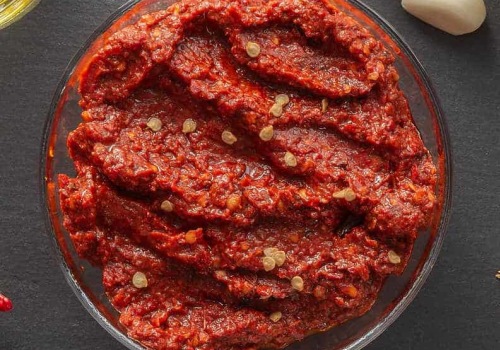
Grilled or pan-fried, they are often served with a side of spicy harissa sauce or tucked into pita bread for a delicious sandwich. Cumin also finds its way into Moroccan soups and stews, such as harira , a traditional soup often enjoyed during Ramadan. This hearty dish combines lentils, chickpeas, and tomatoes with an array of spices, including cumin, creating a warming meal that nourishes both body and soul. In addition to savory dishes, cumin can be used in sweet treats as well. For instance, fekkas , a type of Moroccan cookie, often includes cumin alongside almonds and orange blossom water. The unique blend of flavors creates an intriguing dessert that highlights the spice's versatility. To sum up, cumin is not just an ingredient; it is a vital part of Moroccan culinary tradition.
Whether you are preparing a tagine or experimenting with couscous salads, incorporating this spice will undoubtedly enhance your dishes. So next time you cook Moroccan food at home, don’t forget to reach for the cumin—it’s sure to bring your meals to life!
The Cultural Significance of Cumin in Morocco
Cumin is not merely a spice in Moroccan cuisine; it is a vital thread woven into the fabric of Moroccan culture and identity. Its significance extends far beyond the kitchen, permeating various aspects of daily life, traditional medicine, and social customs. In Moroccan households, cumin is often found on dining tables, ready to be sprinkled over dishes or infused into teas. This practice highlights its role as a flavor enhancer but also as a symbol of health and wellness.Many Moroccans believe that cumin possesses medicinal properties, aiding in digestion and providing relief from various ailments. It is commonly used in herbal remedies, showcasing its importance in traditional medicine. Moreover, cumin plays a crucial role in Moroccan rituals and celebrations. During weddings, for instance, it is often included in ceremonial dishes, symbolizing love and fertility. The presence of cumin at such significant events underscores its cultural importance and the belief that it brings good fortune to newlyweds. Social gatherings in Morocco are often centered around food, and cumin serves as a conversation starter among guests.
As families and friends come together to share meals, discussions about the flavors and origins of the dishes often arise. This communal aspect of dining not only strengthens bonds but also fosters a sense of belonging and cultural pride. In addition to its culinary uses, cumin embodies the rich history of Morocco's spice trade. Historically, Morocco has been a crossroads for various cultures and civilizations, each contributing to the diverse culinary landscape. Cumin's journey from ancient Egypt to Moroccan kitchens reflects this cultural exchange and highlights its enduring legacy. Ultimately, cumin is more than just an ingredient; it is a representation of Moroccan heritage.
Its deep-rooted presence in both everyday life and special occasions illustrates how spices can shape cultural identity. As you explore Moroccan cuisine, remember that each sprinkle of cumin carries with it centuries of tradition, community, and love.
Experiencing Cumin: A Culinary Adventure in Morocco
To truly appreciate the magic of cumin in Moroccan cuisine, there’s no better way than to immerse yourself in the vibrant culinary landscape of Morocco. This North African gem offers a plethora of opportunities for food enthusiasts to explore the rich flavors and aromatic spices that define its dishes. Whether you’re wandering through bustling souks or dining in traditional riads, cumin is sure to be a star ingredient in many meals. One of the best ways to experience authentic Moroccan cuisine is by participating in a culinary tour.These tours often include visits to local markets, where you can witness the vibrant colors and enticing aromas of spices, including cumin. Here are some tips on how to make the most of your culinary adventure:
- Join a Food Tour: Look for guided food tours that focus on traditional Moroccan cooking. Many tours will take you through local markets, allowing you to sample various spices and learn about their uses in Moroccan dishes.
- Take a Cooking Class: Enroll in a cooking class where you can learn how to prepare classic Moroccan dishes like tagines and couscous. This hands-on experience will give you insight into how cumin and other spices are used in everyday cooking.
-
Visit Local Restaurants: Seek out family-owned restaurants that pride themselves on traditional recipes.
Ask about their signature dishes featuring cumin, such as lamb tagine or chicken with olives.
- Explore Street Food: Don’t miss the chance to try street food vendors who often serve delicious snacks seasoned with cumin. Dishes like grilled meats and spicy harissa dips are popular choices.
From its role in enhancing savory dishes to its presence in sweet treats, cumin is more than just a spice; it’s a gateway into the heart of Moroccan culture and hospitality.
Cumin Beyond Savory: Sweet Treats and Unique Recipes
While cumin is often celebrated for its role in savory Moroccan dishes, its versatility extends far beyond the realm of spices for meats and stews. This aromatic spice can also be a surprising yet delightful addition to sweet treats, showcasing its unique ability to enhance flavors in unexpected ways. One of the most intriguing ways to incorporate cumin into desserts is through traditional Moroccan cookies, such as fekkas. These delightful treats are typically made with a blend of flour, almonds, and spices, and cumin adds a warm, earthy note that beautifully complements the sweetness of the other ingredients. The combination of cumin with orange blossom water and honey creates a complex flavor profile that is both comforting and exotic. Another popular dessert that features cumin is cumin cookies, which are often enjoyed during special occasions.These cookies balance the sweetness of sugar with the aromatic qualities of cumin, resulting in a unique treat that surprises and delights the palate. The addition of sesame seeds or nuts can further enhance their texture and flavor. For those looking to experiment with cumin in their own kitchens, consider trying it in fruit salads. A sprinkle of ground cumin can elevate a simple mix of seasonal fruits, adding depth and an unexpected twist. Pairing cumin with citrus fruits like oranges or grapefruits can create a refreshing dessert that tantalizes the taste buds. Moreover, cumin can be used in spiced syrups for drizzling over pancakes or waffles.
By simmering sugar with water, a few whole cumin seeds, and perhaps some cinnamon or cardamom, you can create a syrup that adds an aromatic sweetness to breakfast dishes. In Moroccan culture, spices are not just for savory dishes; they are integral to the culinary identity. Cumin’s presence in sweet recipes reflects this rich tradition and encourages culinary exploration. By incorporating cumin into desserts, you not only honor Moroccan heritage but also invite your guests to experience flavors that are both familiar and novel. So next time you’re baking or preparing a sweet dish, don’t shy away from adding a pinch of cumin. Its unique flavor can transform ordinary recipes into extraordinary culinary experiences, proving that this spice is truly versatile and deserving of a place in both savory and sweet kitchens alike.
Health Benefits of Cumin: More Than Just Flavor
Cumin is not only a beloved spice in Moroccan cuisine but also a powerhouse of health benefits that can enhance your overall well-being.This aromatic seed, known for its distinctive flavor, is packed with essential nutrients and medicinal properties that have been recognized for centuries. One of the most notable health benefits of cumin is its ability to aid digestion. Cumin seeds contain compounds that stimulate the secretion of digestive enzymes, which can help improve the breakdown of food and enhance nutrient absorption. This makes cumin an excellent addition to meals, especially for those who experience digestive discomfort or bloating.
Nutritional Value of Cumin
Cumin is rich in essential vitamins and minerals, including:- Iron: Cumin is an excellent source of iron, which is crucial for the production of red blood cells and helps prevent anemia.
- Magnesium: This mineral plays a vital role in numerous bodily functions, including muscle and nerve function, blood sugar control, and blood pressure regulation.
- Antioxidants: Cumin contains powerful antioxidants that help combat oxidative stress in the body, reducing the risk of chronic diseases.
Furthermore, cumin has been shown to have antimicrobial properties, making it effective against certain bacteria and fungi.
Cumin as a Natural Remedy
For those seeking natural remedies, cumin can be incorporated into your diet in several ways:- Add cumin powder to soups and stews for an extra flavor boost while reaping its health benefits.
- Infuse cumin seeds in hot water to create a soothing tea that can aid digestion and relieve stomach discomfort.
- Use cumin in marinades for meats and vegetables to enhance flavor while promoting better digestion.
Frequently Asked Questions About Cumin and Moroccan Cuisine
As you delve into the world of Moroccan cuisine, you may find yourself with a few questions about cumin and its culinary applications. Here are some frequently asked questions that can help clarify your understanding of this essential spice and its role in Moroccan cooking.What is cumin, and why is it important in Moroccan cuisine?
Cumin
is a spice derived from the seeds of the Cuminum cyminum plant.
Its warm, earthy flavor profile makes it a cornerstone of Moroccan cooking. Cumin not only enhances the taste of dishes but also contributes to the rich tapestry of flavors that define Moroccan cuisine. It is often combined with other spices, such as coriander and paprika, to create complex flavor profiles.
How is cumin used in traditional Moroccan dishes?
Cumin is versatile and can be found in a variety of traditional Moroccan dishes. Here are some common uses:- Tagines: Cumin is frequently used in tagines, where it complements meats and vegetables, enhancing their natural flavors.
- Couscous: This staple dish often features cumin as part of its seasoning, adding depth to the overall taste.
- Marinades: Cumin is a key ingredient in marinades for meats, imparting a smoky flavor that elevates grilled dishes.
Can I use ground cumin instead of whole seeds?
Yes, you can use ground cumin as a substitute for whole seeds.However, keep in mind that whole seeds tend to have a more robust flavor. If you choose to use ground cumin, add it towards the end of cooking to preserve its aromatic qualities.
Are there any health benefits associated with cumin?
Cumin is not only flavorful but also offers several health benefits. It is known for its digestive properties and may help alleviate bloating and gas. Additionally, cumin contains antioxidants and has anti-inflammatory properties, making it a beneficial addition to your diet.How can I incorporate cumin into my cooking at home?
If you're looking to bring the flavors of Morocco into your kitchen, consider these tips:- Add cumin to soups and stews for an earthy depth.
- Sprinkle it over roasted vegetables for added flavor.
- Mix it into dips like hummus or yogurt-based sauces for a unique twist.
Conclusion: The Lasting Impact of Cumin on Moroccan Cuisine
As we conclude our exploration of cumin's role in Moroccan cuisine, it becomes clear that this spice is much more than just a flavor enhancer; it is a vital thread woven into the fabric of Moroccan culture and culinary tradition.Cumin's rich, earthy flavor profile not only elevates dishes but also embodies the essence of Moroccan hospitality and communal dining.
Culinary Significance
- Cumin is a cornerstone in many traditional Moroccan recipes, from tagines to couscous, showcasing its versatility across various cooking methods.
- The spice is often combined with other aromatic ingredients, creating complex flavor profiles that are characteristic of Moroccan cuisine.
- Its presence in spice blends like ras el hanout and harissa further highlights its importance in achieving the authentic taste of Moroccan dishes.
Cultural Relevance
- Cumin holds a special place in Moroccan culture, symbolizing health and prosperity. It is frequently used in traditional remedies and rituals, reinforcing its significance beyond the kitchen.
- The spice fosters community and connection, as meals prepared with cumin often serve as a centerpiece for gatherings, encouraging conversation and shared experiences.
- In weddings and other celebrations, cumin is not just an ingredient; it represents love, fertility, and the hope for a prosperous future.
As you embark on your own culinary journey, let cumin be your guide to understanding the heart and soul of Moroccan cuisine.