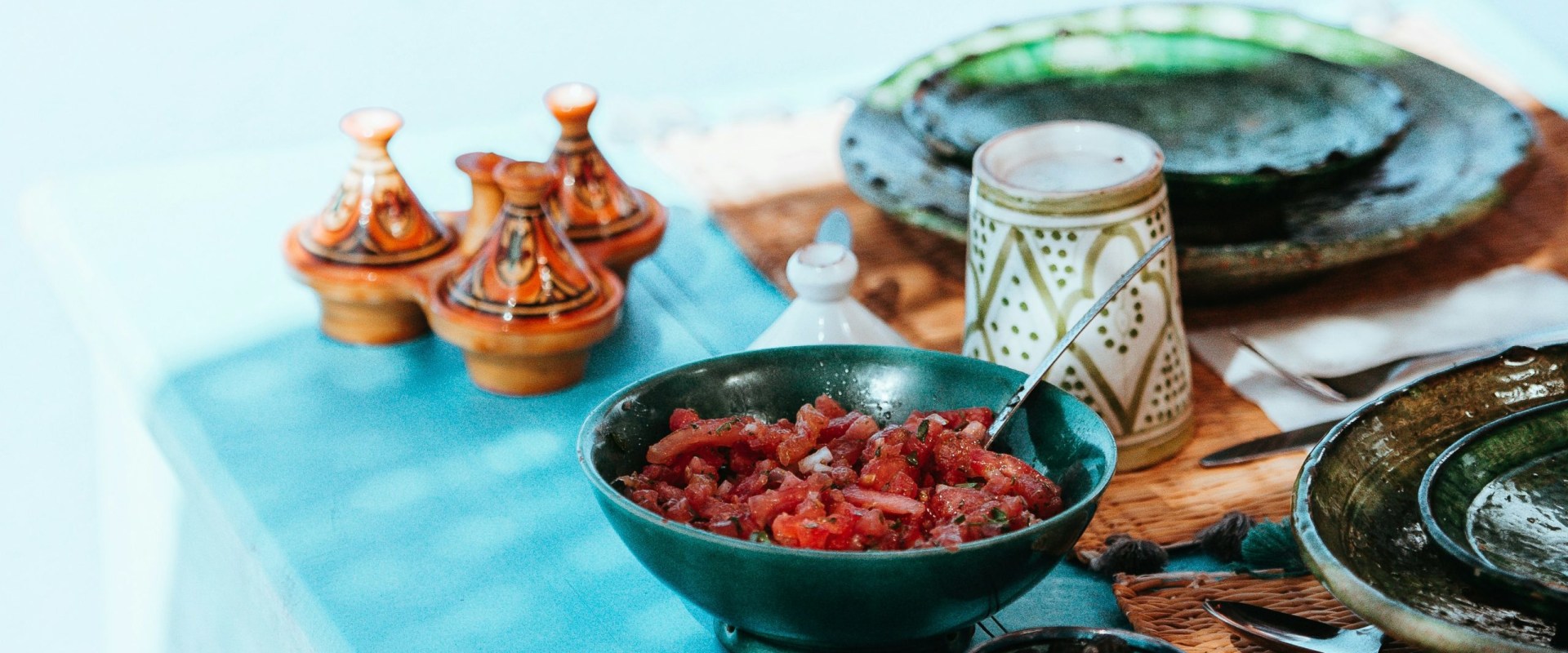
Moroccan cuisine is a vibrant tapestry woven from the rich cultural heritage of its people, showcasing a delightful blend of flavors, aromas, and textures that reflect the country's diverse history. From the bustling souks of Marrakech to the serene landscapes of the Sahara, every region in Morocco offers its own unique culinary delights, making it a true paradise for food lovers. As you embark on this culinary journey , prepare to be captivated by the use of local ingredientslocal ingredients and an array of spices that elevate each dish to an art form.The heart of Moroccan cooking lies in its ability to harmoniously combine various influences, including Berber, Arab, and Mediterranean traditions. This fusion is evident in iconic dishes such as tagines and couscous, which are not only staples but also symbols of Moroccan hospitality.
The use of fresh herbs like mint and cilantro, along with spices such as cumin, saffron, and cinnamon, creates a symphony of flavors that tantalize the palate and evoke a sense of warmth and comfort.As you delve deeper into the world of Moroccan cuisine, you'll discover that each meal is more than just sustenance; it is a celebration of community and culture. Meals are often shared among family and friends, emphasizing the importance of togetherness in Moroccan society. This communal aspect is beautifully complemented by the ritualistic preparation of food, where traditional methods are passed down through generations, ensuring that each dish carries with it a story and a connection to the past.Join us as we explore the intricate layers of Moroccan cuisine, uncovering the secrets behind its most beloved dishes and the local ingredients that make them shine. Whether you're planning a Morocco safari travelMorocco safari travel adventure or simply looking to expand your culinary horizons at home, this journey promises to be both enlightening and delicious.
The Essence of Moroccan Spices
At the heart of Moroccan cuisine lies a vibrant tapestry of spices that not only enhance the flavor of dishes but also tell a story of the country’s rich cultural heritage.The use of spices in Morocco is deeply rooted in its history, influenced by various civilizations that have traversed its lands, including the Berbers, Arabs, and Mediterranean cultures.One of the most essential spices in Moroccan cooking is cumin. Known for its warm and earthy flavor, cumin is often used in tagines and stews, providing depth and complexity to these dishes. Its aromatic profile pairs beautifully with meats and vegetables alike, making it a versatile ingredient in many recipes.
Cinnamon
is another staple spice that plays a dual role in Moroccan cuisine. While it adds a sweet and spicy note to savory dishes, it is also commonly used in desserts.
This unique application showcases the Moroccan approach to flavor, where sweet and savory elements coexist harmoniously.
Saffron
, one of the most prized spices globally, finds its way into many traditional Moroccan dishes. Its delicate floral aroma and vibrant golden hue elevate dishes like tajine and rice preparations, making them visually stunning and flavorful. The labor-intensive process of harvesting saffron contributes to its high value, but its impact on Moroccan cuisine is invaluable.Other notable spices include ginger , turmeric , paprika , and coriander. Each spice brings its unique character to the table:
- Ginger: Adds warmth and a hint of spice, often found in marinades and stews.
- Turmeric: Known for its vibrant color and health benefits, it is frequently used in rice dishes.
- Paprika: Provides a mild sweetness and rich color, enhancing both flavor and presentation.
- Coriander: Offers a citrusy note that brightens up dishes, commonly used in spice blends.
One popular blend is ras el hanout , which translates to "head of the shop." This complex mixture can contain up to 30 different spices, each contributing to a unique flavor profile that varies from one region to another. It often includes ingredients like cardamom, nutmeg, and dried rose petals, showcasing the diversity of Moroccan flavors.The techniques employed in Moroccan cooking also play a significant role in how these spices are utilized. For instance, spices are often toasted before being ground to release their essential oils and enhance their flavors. This technique not only intensifies the taste but also adds an aromatic quality that fills the kitchen with enticing scents.In conclusion, the essence of Moroccan spices lies not just in their individual flavors but also in how they are combined and applied within traditional cooking methods. , which translates to "head of the shop." This complex mixture can contain up to 30 different spices, each contributing to a unique flavor profile that varies from one region to another. It often includes ingredients like cardamom, nutmeg, and dried rose petals, showcasing the diversity of Moroccan flavors.The techniques employed in Moroccan cooking also play a significant role in how these spices are utilized. For instance, spices are often toasted before being ground to release their essential oils and enhance their flavors. This technique not only intensifies the taste but also adds an aromatic quality that fills the kitchen with enticing scents.In conclusion, the essence of Moroccan spices lies not just in their individual flavors but also in how they are combined and applied within traditional cooking methods.
Each spice tells a story of Morocco’s history and culture, making every meal an exploration of this beautiful country’s culinary landscape.
Iconic Dishes: Tagines and Couscous
When it comes to Moroccan cuisine, two dishes stand out as iconic representations of the country’s rich culinary heritage: tagines and couscous. These dishes not only showcase the vibrant flavors of local ingredients and spices but also reflect the cultural significance of communal dining in Morocco.Tagines: A Culinary Masterpiece
The tagine is more than just a dish; it is a symbol of Moroccan cooking. Named after the earthenware pot in which it is cooked, a tagine is a slow-cooked stew that can feature a variety of ingredients, including meats, vegetables, and aromatic spices. The unique conical shape of the tagine pot allows steam to circulate, keeping the food moist and infusing it with rich flavors.Common ingredients in tagine recipes include:- Lamb: Often paired with prunes or apricots for a sweet-savory combination.
- Chicken: Frequently cooked with preserved lemons and olives, offering a tangy flavor profile.
- Vegetables: Seasonal vegetables like carrots, zucchini, and potatoes are often included for a hearty vegetarian option.
- Spices: Essential spices such as cumin, coriander, cinnamon, and saffron are used to create complex flavor layers.
For instance, in the coastal areas, seafood tagines are popular, while inland regions may favor meat-based versions. Regardless of the ingredients, the communal aspect of sharing a tagine at the table fosters connection and warmth among diners.
Couscous: The Heart of Moroccan Meals
Couscous
, often considered the national dish of Morocco, is made from steamed semolina wheat granules. Traditionally served on Fridays as part of a family meal, couscous is versatile and can be paired with various stews or served plain with vegetables and spices.Popular couscous dishes include:
- Couscous with Seven Vegetables: A colorful dish featuring an array of seasonal vegetables like carrots, zucchini, and chickpeas.
- Couscous with Lamb or Chicken: Often served with a rich broth poured over it, enhancing its flavor.
- Saffron Couscous: Infused with saffron for a luxurious touch and vibrant color.
This labor-intensive process reflects the importance of couscous in Moroccan culture as more than just food; it represents family gatherings and celebrations.In conclusion, both tagines and couscous are essential components of Moroccan dining that embody the country’s culinary traditions. Their preparation methods and communal serving styles not only highlight the flavors but also enhance the experience of sharing meals with loved ones. Whether you are enjoying a hearty tagine or savoring fluffy couscous, these dishes offer a true taste of Morocco's rich cultural tapestry.
Fresh Ingredients: The Heart of Moroccan Cooking
At the core of Moroccan cuisine lies a deep appreciation for fresh ingredients. The vibrant landscapes of Morocco, from the fertile plains to the mountainous regions, provide an abundance of local produce that is essential for creating the rich and diverse flavors characteristic of this culinary tradition.Utilizing seasonal and locally sourced ingredients not only enhances the taste of dishes but also reflects the cultural heritage and agricultural practices of the region.One of the most common vegetables found in Moroccan cooking is the tomato. This versatile ingredient serves as a base for many sauces and stews, adding a natural sweetness and acidity that balances the spices used in dishes like tagines and couscous. Another staple is the eggplant , often grilled or roasted to bring out its smoky flavor, making it a key component in dishes such as zaalouk, a delicious eggplant salad.In addition to these vegetables, root vegetables like carrots, potatoes, and turnips are frequently used in Moroccan cuisine. They are often slow-cooked in tagines, allowing them to absorb the aromatic spices and flavors from meats and sauces.
The use of seasonal produce ensures that each dish is fresh and bursting with flavor.
Herbs
play a crucial role in enhancing the flavors of Moroccan dishes. Fresh herbs such as cilantro, parsley, and mint are commonly used to add brightness and depth. For instance, mint is not only a key ingredient in Moroccan mint tea but also complements savory dishes, providing a refreshing contrast to rich flavors.The use of local herbs extends beyond just flavor; they also carry cultural significance. For example, the incorporation of fresh herbs into meals symbolizes hospitality and generosity, reflecting the Moroccan ethos of sharing food with family and friends.Moreover, spices like cumin , coriander , and saffron , often paired with fresh ingredients, create complex flavor profiles that define Moroccan cuisine.
The combination of fresh produce with these spices results in dishes that are not only delicious but also tell a story of Morocco's rich agricultural landscape.In conclusion, fresh ingredients are undeniably the heart of Moroccan cooking. By embracing local produce and herbs, Moroccan cuisine celebrates its agricultural roots while delivering unforgettable flavors that captivate both locals and visitors alike.
The Role of Hospitality in Moroccan Dining
In Morocco, dining is not merely about satisfying hunger; it is a profound expression of culture, tradition, and community. The concept of hospitality is deeply embedded in Moroccan society, where sharing food transcends the act of eating and becomes a ritual of connection and warmth.When guests arrive, they are often greeted with a warm smile and an offer of mint tea, a symbol of friendship and welcome. This traditional beverage is more than just a drink; it represents the Moroccan spirit of generosity.The preparation and serving of mint tea is an art form in itself, involving a specific ritual that showcases the host's dedication to their guests.
Communal dining
is another cornerstone of Moroccan hospitality. Meals are typically served on large platters placed at the center of the table, encouraging everyone to gather around and share. This practice fosters a sense of unity and belonging, as family and friends partake in the same dish, often using their hands to scoop up food with pieces of bread. This method not only enhances the flavor experience but also strengthens social bonds.Moroccan meals are often elaborate affairs, featuring multiple courses that reflect the host's culinary skills and generosity.
It is customary for hosts to serve their guests the best portions first, ensuring that everyone feels valued and appreciated. This emphasis on sharing extends beyond just food; it embodies the Moroccan ethos of community and togetherness.The significance of food in Moroccan culture is further highlighted during special occasions such as weddings, religious holidays, and family gatherings. These events are marked by an abundance of dishes that showcase the rich culinary heritage of Morocco. The act of preparing these meals often involves entire families working together, reinforcing familial ties and cultural traditions.In essence, dining in Morocco is a celebration of life, love, and community.
It invites you to not only savor the delicious flavors but also to immerse yourself in the rich tapestry of Moroccan culture. As you embark on your culinary journey through this vibrant country, take time to appreciate the hospitality that accompanies each meal—it is an experience that will leave a lasting impression.
Street Food Adventures: A Taste of Morocco on the Go
When exploring the vibrant streets of Morocco, one cannot overlook the tantalizing array of street food that beckons from every corner. The street food scene is not just a culinary experience; it is a cultural immersion that offers a glimpse into the daily lives of Moroccans. From bustling markets to quiet alleyways, the aroma of spices and grilled meats fills the air, inviting you to indulge in local flavors.When exploring the vibrant streets of Morocco, one cannot overlook the tantalizing array of street food that beckons from every corner. The street food scene is not just a culinary experience; it is a cultural immersion that offers a glimpse into the daily lives of Moroccans. From bustling markets to quiet alleyways, the aroma of spices and grilled meats fills the air, inviting you to indulge in local flavors.Popular Moroccan Street Foods
- Tajine: While tajine is often associated with sit-down meals, you can find street vendors serving up this iconic dish in portable forms.
These slow-cooked stews, made with a variety of meats and vegetables, are seasoned with aromatic spices and served in small portions, perfect for a quick bite.
- B'stilla: A unique Moroccan pastry, b'stilla is typically filled with pigeon or chicken, mixed with almonds and spices, all encased in flaky pastry. Topped with powdered sugar and cinnamon, this sweet-savory dish is a must-try for any street food enthusiast.
- Kefta: Grilled minced meat skewers, known as kefta, are a popular street snack. Seasoned with herbs and spices, these skewers are often served with fresh bread and a side of spicy sauce for dipping.
- Sfenj: For those with a sweet tooth, sfenj—Moroccan donuts—are a delightful treat. These deep-fried pastries are light and fluffy, often dusted with sugar or served with honey for an extra touch of sweetness.
- Maakouda: These crispy potato fritters are seasoned with spices and herbs, making them a flavorful snack that pairs well with various dipping sauces.
Exploring Food Markets
The heart of Morocco's street food culture can be found in its bustling food markets.
Places like the famous Jemaa el-Fnaa in Marrakech come alive at night with food stalls offering an array of dishes. Here, you can sample everything from grilled meats to fresh salads made from local produce. The vibrant atmosphere is enhanced by the sounds of sizzling grills and the chatter of locals enjoying their meals.As you wander through these markets, don’t hesitate to engage with the vendors. They are often eager to share their culinary knowledge and may even offer you samples to entice your taste buds further.
This interaction not only enriches your experience but also allows you to learn about the ingredients and cooking methods that define Moroccan cuisine.In conclusion, indulging in Moroccan street food is an adventure that goes beyond mere sustenance; it’s an opportunity to connect with the culture and people of this beautiful country. Whether you’re savoring a warm b'stilla or enjoying a plate of kefta under the stars, each bite tells a story of tradition and hospitality that makes Morocco truly special.
Beverages: Mint Tea and Beyond
When it comes to Moroccan beverages, few drinks are as iconic and culturally significant as mint tea. Often referred to as "Moroccan whiskey," this sweet and fragrant tea is more than just a refreshing drink; it embodies the essence of Moroccan hospitality and social interaction.Preparation of Mint Tea
- The base of Moroccan mint tea is green tea, typically gunpowder green tea, which is known for its strong flavor and vibrant color.
- To prepare the tea, start by boiling water in a kettle. Once boiling, add a few tablespoons of green tea to a teapot.
- Next, pour a small amount of boiling water over the tea leaves to rinse them.
This step helps to remove any bitterness from the leaves.
- After rinsing, add fresh mint leaves—generously! The more mint, the better. Traditionally, spearmint is used for its sweet aroma.
- Then, pour in sugar according to your taste. Moroccans typically enjoy their tea quite sweet, so don’t be shy with the sugar!
- Finally, fill the teapot with boiling water and let it steep for several minutes. To serve, pour the tea from a height into small glasses; this aerates the tea and enhances its flavor.
It is common for guests to be offered multiple servings, symbolizing generosity and friendship. The act of pouring from a height is not just for show; it also helps to mix the ingredients thoroughly while creating a frothy top that adds to the visual appeal.
Other Traditional Moroccan Beverages
While mint tea reigns supreme, Morocco boasts a variety of other traditional drinks that reflect its rich cultural tapestry:
- Moroccan Coffee: Strong and aromatic, Moroccan coffee is often flavored with spices like cinnamon or cardamom. It’s typically served black or with milk and sugar.
- Fresh Juices: With an abundance of citrus fruits, fresh orange juice is a popular choice. Pomegranate juice is also widely enjoyed for its refreshing taste and health benefits.
- Herbal Infusions: Various herbal teas made from local herbs such as verbena or chamomile are consumed for their soothing properties.
Whether you’re enjoying mint tea in a bustling market or sipping coffee in a quiet café, each drink tells a story of Morocco’s rich heritage and warm hospitality.
Culinary Tours: Experiencing Morocco Through Food
Embarking on a culinary tour in Morocco is an unforgettable way to experience the country's rich food culture while exploring its diverse regions. These tours offer travelers the chance to delve into the heart of Moroccan cuisine, learning about local ingredients, traditional cooking methods, and the cultural significance of food in Moroccan society.One of the most popular culinary experiences is a cooking class in a traditional Moroccan home. Here, you can learn to prepare iconic dishes such as tagine and couscous, guided by local chefs who share their family recipes and cooking secrets. This hands-on experience not only teaches you how to cook but also provides insight into the importance of these dishes in Moroccan culture.Another exciting option is to join a food market tour.These tours typically take you through bustling souks where you can interact with local vendors, sample fresh produce, and discover unique spices that are essential to Moroccan cooking. You’ll learn how to select the best ingredients for your meals and understand their role in traditional recipes.For those looking to explore Morocco's regional specialties, consider a tour that focuses on specific areas known for their culinary heritage. For instance:
- Marrakech: Known for its vibrant street food scene, you can taste everything from bissara (fava bean soup) to sfenj (Moroccan donuts).
- Fes: Renowned for its rich history, Fes offers culinary tours that highlight its famous preserved lemons and artisanal cheeses.
- Chefchaouen: This blue city is not only picturesque but also offers unique dishes influenced by its mountainous surroundings.
- Book in advance: Popular tours can fill up quickly, especially during peak tourist seasons.
- Ask about dietary restrictions: Many tours can accommodate vegetarian or vegan diets, so be sure to communicate your needs.
- Engage with locals: Don’t hesitate to ask questions during your tours; locals love sharing their knowledge and stories about their food culture.
Whether you're a seasoned foodie or just looking to try something new, these tours will leave you with lasting memories and a deeper understanding of this vibrant country.
Conclusion: Embracing the Flavors of Morocco
As we conclude our culinary journey through the vibrant and diverse flavors of Morocco, it becomes clear that experiencing Moroccan cuisine is not merely about satisfying hunger; it is an essential part of understanding the rich cultural tapestry of this beautiful country. Each dish tells a story, reflecting the history, traditions, and the warm hospitality of the Moroccan people.Throughout this exploration, we have delved into the iconic dishes that define Moroccan cuisine, such as tagines and couscous , both of which showcase the skillful use of local ingredients and spices. The aromatic spices like cumin, saffron, and cinnamon are not just flavor enhancers; they are a testament to Morocco's historical trade routes and cultural exchanges. These spices create a symphony of flavors that dance on the palate, inviting you to savor every bite.Moreover, we have highlighted the importance of fresh herbs and local produce in Moroccan cooking.Ingredients like mint, parsley, and preserved lemons add layers of complexity and freshness to dishes, making each meal a delightful experience. The communal aspect of dining in Morocco further enriches this culinary adventure. Sharing meals with family and friends fosters a sense of community and connection that is deeply rooted in Moroccan culture.Street food also plays a vital role in experiencing the authentic flavors of Morocco. From bustling markets to quiet street corners, vendors offer an array of delicious options that reflect the country's culinary diversity.
Trying these affordable yet flavorful dishes allows travelers to immerse themselves in local life and culture.In summary, embracing the flavors of Morocco is about more than just food; it is about engaging with the culture, history, and people who make this cuisine so special. Whether you are enjoying a traditional meal in a family home or sampling street food in a vibrant market, each experience adds depth to your understanding of Morocco. So as you plan your Morocco safari travel, remember to include culinary experiences that will enrich your journey and leave you with lasting memories.