Moroccan cuisine is a vibrant tapestry woven from the threads of history, culture, and geography. It reflects the influences of various civilizations that have passed through this North African land, including Berber, Arab, and Mediterranean cultures. Each region of Morocco boasts its own unique flavors and cooking techniques, creating a culinary landscape that is as diverse as it is delicious. At the heart of this rich gastronomic tradition lies harissa , a fiery spice blend that embodies the essence of Moroccan cooking.Harissa is not just a condiment; it is a symbol of Moroccan identity and hospitality.
This spicy paste, made from a combination of hot chili peppers, garlic, and an array of spices such as cumin and coriander, adds depth and complexity to many traditional dishes. Whether it’s slathered on grilled meats, stirred into stews, or served alongside fresh bread, harissa elevates the dining experience by infusing meals with its bold flavors. The use of harissa in Moroccan cuisine showcases the country’s love for spices and its ability to balance heat with aromatic undertones.As you embark on your culinary journey through Morocco, you will discover that food is more than just sustenance; it is a celebration of life and community. Meals are often shared among family and friends, accompanied by laughter and stories.
The flavors of Morocco are not only about taste but also about the cultural heritage that each dish represents. From the bustling souks filled with spices to the tranquil riads where meals are enjoyed, every aspect of Moroccan food culture invites you to savor the moment.In this guide, we will delve deeper into the world of harissa spice and its integral role in Moroccan cuisine. We will explore its origins, various uses in traditional dishes, and how it can be incorporated into your own cooking. Prepare to awaken your senses and discover the tantalizing flavors of Morocco through the lens of harissa.
What is Harissa? Understanding the Spice Blend
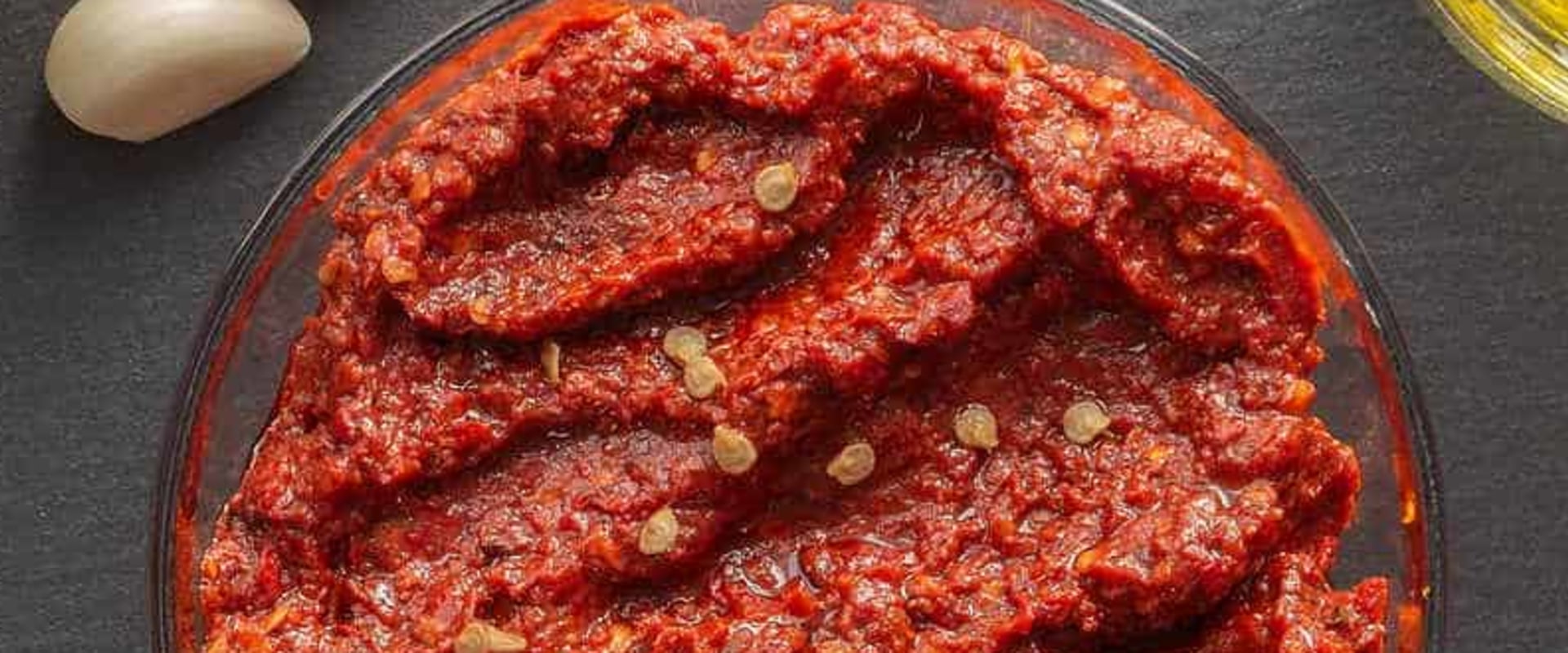
Harissa is a vibrant and spicy paste that serves as a cornerstone of Moroccan cuisine, embodying the rich culinary traditions of the region.This fiery condiment is not just a simple spice; it is a complex blend of flavors that enhances a variety of dishes, making it an essential ingredient for anyone looking to explore the depths of Moroccan cooking.At its core, harissa is made from a combination of dried chili peppers , which provide the heat, and garlic , which adds depth and aroma. The exact composition can vary by region and personal preference, but some common ingredients include:
- Dried Chili Peppers: The primary source of heat, often using varieties like cayenne or bird's eye.
- Garlic: Fresh or roasted garlic contributes a pungent flavor that balances the spice.
- Cumin: This warm spice adds an earthy note that complements the heat.
- Coriander: Ground coriander seeds introduce a citrusy undertone.
- Caraway Seeds: These seeds lend a unique flavor that enhances the overall complexity.
- Olive Oil: Used to bind the ingredients together and create a smooth paste.
- Lemon Juice or Vinegar: Sometimes added for acidity, brightening the overall flavor profile.
- Heat: The spiciness can range from mild to intense, depending on the chili peppers used.
- Aromatic: The garlic and spices create an inviting aroma that enhances any dish.
- Earthy and Smoky Notes: The cumin and caraway add depth, while roasted peppers can introduce a subtle smokiness.
- Citrusy Brightness: A hint of acidity from lemon juice or vinegar can elevate the flavors further.
It can be used as a marinade for meats, stirred into stews, or even drizzled over roasted vegetables. Its ability to enhance both savory and sweet dishes makes it a beloved ingredient in Moroccan kitchens and beyond. Understanding what harissa is and how it’s made allows food enthusiasts to appreciate its role in creating authentic Moroccan flavors.
The Origins and History of Harissa
Harissa, a vibrant and spicy paste, has a rich history that traces back to the heart of North Africa. Its origins are often linked to the Berber tribes, who have inhabited the region for centuries.These indigenous people utilized local ingredients to create a variety of flavorful dishes, and harissa emerged as a key seasoning that encapsulated their culinary traditions.Initially, harissa was crafted from a blend of dried chili peppers, garlic, and spices such as cumin and coriander. The exact recipe varied from one household to another, reflecting the personal tastes and available ingredients of each family. As trade routes expanded and cultures intermingled, harissa began to evolve, incorporating influences from neighboring regions, including Tunisia and Algeria.By the time it reached Morocco, harissa had transformed into a staple ingredient in Moroccan cuisine. It became synonymous with the country’s culinary identity, celebrated for its ability to enhance the flavors of various dishes.
The spice is not merely an ingredient; it is a symbol of Moroccan culture and hospitality. In Moroccan households, serving harissa is a gesture of warmth and generosity, inviting guests to partake in the rich tapestry of flavors that define the nation’s cuisine.The cultural significance of harissa extends beyond its use in cooking. It represents a connection to the land and its people, embodying centuries of tradition and communal sharing. Festivals and gatherings often feature dishes infused with harissa, showcasing its role in bringing people together over shared meals.Today, while you can find commercial versions of harissa in stores worldwide, many Moroccans still prefer to make it at home. The spice is not merely an ingredient; it is a symbol of Moroccan culture and hospitality. In Moroccan households, serving harissa is a gesture of warmth and generosity, inviting guests to partake in the rich tapestry of flavors that define the nation’s cuisine.The cultural significance of harissa extends beyond its use in cooking. It represents a connection to the land and its people, embodying centuries of tradition and communal sharing. Festivals and gatherings often feature dishes infused with harissa, showcasing its role in bringing people together over shared meals.Today, while you can find commercial versions of harissa in stores worldwide, many Moroccans still prefer to make it at home.
This practice not only preserves the traditional methods but also allows families to customize their spice blends according to personal preferences. The act of grinding spices together using a mortar and pestle is seen as an art form, connecting generations through shared culinary practices.In summary, the history of harissa is deeply intertwined with the cultural fabric of Morocco. From its humble beginnings among the Berber tribes to its status as a beloved condiment in modern Moroccan kitchens, harissa continues to be a testament to the enduring legacy of North African cuisine.
How to Use Harissa in Cooking
Incorporating harissa into your cooking can elevate your dishes with its unique blend of heat and flavor. This versatile spice can be used in various ways, whether as a marinade, condiment, or cooking ingredient.Here are some practical tips and popular recipes to help you make the most of harissa in your kitchen.
Using Harissa as a Marinade
One of the most effective ways to use harissa is as a marinade for meats and vegetables. The spice not only infuses the food with flavor but also helps to tenderize it. To create a simple harissa marinade, combine:- 2 tablespoons of harissa
- 1/4 cup of olive oil
- 2 tablespoons of lemon juice
- Salt and pepper to taste
Harissa in Cooking
Harissa can also be added directly to dishes during the cooking process. It works wonderfully in:- Tagines: This traditional Moroccan stew benefits from the addition of harissa, which enhances the flavors of the slow-cooked meats and vegetables.
- Couscous: Stirring harissa into couscous while it cooks adds a spicy kick that complements the dish's natural flavors.
- Soups and Stews: A spoonful of harissa can transform a simple soup or stew into a flavorful experience.
Just add it towards the end of cooking to maintain its vibrant heat.
Harissa as a Condiment
Using harissa as a condiment is another fantastic way to enjoy its bold flavors. You can:- Spread it on sandwiches: Use harissa instead of mayonnaise or mustard for an exciting twist on your favorite sandwiches.
- Dip for Vegetables: Mix harissa with yogurt or sour cream to create a spicy dip for fresh vegetables or pita bread.
- Topping for Grains: Drizzle harissa over rice, quinoa, or farro dishes to add depth and heat.
Popular Harissa Recipes
If you're looking for inspiration, here are a couple of popular recipes that highlight the use of harissa:- Harissa Roasted Vegetables: Toss your favorite vegetables—like bell peppers, zucchini, and carrots—with olive oil and harissa before roasting them in the oven until tender.
- Lamb Kefta with Harissa: Mix ground lamb with harissa, garlic, and spices to form meatballs. Grill or pan-fry them for a delicious appetizer or main dish.
Traditional Moroccan Dishes Featuring Harissa
When it comes to Moroccan cuisine, few ingredients are as integral as harissa.This spicy paste not only adds heat but also depth and complexity to a variety of traditional dishes. Here, we explore some of the most beloved Moroccan meals that prominently feature harissa, showcasing its versatility and cultural significance.
Tagines: A Culinary Icon
One of the most iconic dishes in Moroccan cuisine is the tagine , a slow-cooked stew named after the earthenware pot in which it is prepared. Harissa plays a crucial role in many tagine recipes, enhancing the flavors of the ingredients while imparting a delightful spiciness. Common combinations include:- Lamb Tagine: Tender lamb is marinated with harissa, garlic, and spices before being slow-cooked with apricots or prunes, creating a sweet and savory dish.
- Chicken Tagine: Chicken pieces are often cooked with preserved lemons and olives, with harissa added for an extra kick that balances the dish's richness.
- Vegetable Tagine: A medley of seasonal vegetables can be enhanced with harissa, making it a vibrant and flavorful option for vegetarians.
Couscous: The Heart of Moroccan Meals
Couscous is another staple in Moroccan cuisine, often served alongside tagines or as a standalone dish.Harissa can be incorporated into couscous in several ways:
- Spiced Couscous: Mixing harissa into the cooking water or broth infuses the couscous with its fiery flavor, making each grain a burst of taste.
- Couscous Salad: Cold couscous salads can be dressed with harissa mixed into olive oil and lemon juice, providing a refreshing yet spicy side dish.
Street Food Delights: Kefta Sandwiches
No exploration of Moroccan cuisine would be complete without mentioning street food. One popular option is the kefta sandwich , which features spiced ground meat (usually beef or lamb) formed into meatballs. These meatballs are grilled to perfection and often served in warm pita bread with a generous spread of harissa. The combination of smoky grilled meat and the fiery paste creates an unforgettable flavor experience that captures the essence of Moroccan street food.In conclusion, harissa is not just an ingredient; it is a vital component that elevates traditional Moroccan dishes like tagines and couscous while also shining in street food favorites like kefta sandwiches.Whether you’re dining at a local restaurant or enjoying street food during your Morocco safari travel, experiencing these dishes will give you a true taste of Morocco's rich culinary heritage.
Making Harissa at Home: A Step-by-Step Guide
Creating your own harissa at home is not only rewarding but also allows you to customize the flavors to suit your palate. This step-by-step guide will walk you through the process of making a delicious and authentic harissa paste from scratch.Ingredients:
- 6-8 dried red chili peppers (such as guajillo or New Mexico)
- 2-3 cloves of garlic, minced
- 1 teaspoon ground cumin
- 1 teaspoon ground coriander
- 1/2 teaspoon caraway seeds (optional)
- 2 tablespoons olive oil (plus more for storage)
- Salt to taste
- 1 tablespoon lemon juice (optional, for brightness)
Step-by-Step Instructions:
- Prepare the Chili Peppers: Start by removing the stems and seeds from the dried chili peppers. If you prefer a milder harissa, you can use fewer peppers or choose milder varieties.
- Rehydrate the Peppers: Place the cleaned chili peppers in a bowl and cover them with hot water. Let them soak for about 20-30 minutes until they are soft and pliable.
- Blend the Ingredients: Drain the chili peppers and transfer them to a food processor.
Add the minced garlic, ground cumin, ground coriander, caraway seeds (if using), olive oil, and salt. Blend until you achieve a smooth paste. You may need to scrape down the sides of the bowl occasionally to ensure everything is well combined.
- Tweak the Flavor: Taste your harissa paste and adjust the seasoning as needed. If you want a bit of acidity, add lemon juice to brighten up the flavors.
- Store Your Harissa: Transfer the harissa paste to a clean jar and drizzle a thin layer of olive oil on top to help preserve it.
Seal tightly and store in the refrigerator. It should last for several weeks.
The Health Benefits of Harissa: A Spicy Superfood?
Harissa, the vibrant and spicy paste that is a cornerstone of Moroccan cuisine, not only tantalizes the taste buds but also offers a range of potential health benefits. As more people become aware of the nutritional value of their food, harissa stands out as a spicy superfood that can enhance both flavor and health.One of the primary ingredients in harissa is chili peppers, which are known for their high content of vitamin C.This essential vitamin plays a crucial role in boosting the immune system, promoting skin health, and aiding in the absorption of iron from plant-based foods. Additionally, chili peppers contain capsaicin , a compound responsible for their heat. Capsaicin has been linked to various health benefits, including:
- Anti-inflammatory properties: Capsaicin may help reduce inflammation in the body, which is beneficial for conditions such as arthritis.
- Pain relief: Topical applications of capsaicin have been shown to alleviate pain by desensitizing nerve receptors.
- Metabolism boost: Consuming spicy foods like harissa can increase metabolic rate, potentially aiding in weight management.
It also possesses antimicrobial properties that can enhance overall health.The blend of spices found in harissa—such as cumin and coriander—also contributes to its nutritional profile. Cumin is known for its digestive benefits and may help improve gut health, while coriander has been associated with lowering blood sugar levels and providing antioxidant effects.Incorporating harissa into your diet can be an excellent way to add flavor without relying on excessive salt or sugar. Its versatility allows it to be used in various dishes, from marinades to dips, making it easy to enjoy its health benefits. However, it’s essential to consume it in moderation, especially for those sensitive to spicy foods.In conclusion, harissa is more than just a flavorful addition to your meals; it is a nutritional powerhouse that can contribute positively to your health.
By embracing this spicy condiment, you can enjoy not only the rich flavors of Moroccan cuisine but also the potential health benefits that come with it.
Exploring Moroccan Culture Through Harissa and Cuisine
Moroccan cuisine is not merely a collection of recipes; it is a vibrant tapestry woven from the threads of history, geography, and cultural exchange. At the heart of this culinary landscape lies harissa , a spice that embodies the essence of Moroccan culture and its rich traditions. Understanding how harissa fits into the broader context of Moroccan cuisine allows us to appreciate the intricate relationship between food and cultural identity.In Morocco, food is a central element of social life, serving as a medium for connection and community. Meals are often shared among family and friends, fostering bonds and creating lasting memories.The act of preparing and enjoying food together is steeped in tradition, with recipes passed down through generations. Harissa, with its fiery flavor and aromatic profile, plays a significant role in many traditional dishes, enhancing not only the taste but also the communal experience of dining.The use of spices like harissa reflects Morocco's historical interactions with various cultures, including Berber, Arab, and Mediterranean influences. Each region in Morocco has its own unique take on harissa, showcasing local ingredients and culinary techniques. This regional variation highlights the diversity within Moroccan cuisine and emphasizes how food can serve as a marker of identity.Moreover, harissa is often associated with celebrations and special occasions.
It is common to find this spice featured prominently during festive meals or family gatherings, symbolizing hospitality and generosity. The preparation of dishes that include harissa can be an elaborate affair, involving family members working together to create a feast that honors their heritage.In addition to its culinary significance, harissa also carries cultural weight as it is often linked to traditional medicinal practices. Many Moroccans believe in the health benefits of spices, including harissa's potential to aid digestion and boost immunity. This belief further cements the role of food as not just sustenance but as a vital component of well-being.As travelers embark on a Morocco safari travel adventure, they are invited to explore this rich cultural landscape through its cuisine.
Sampling dishes infused with harissa offers a sensory experience that goes beyond taste; it provides insight into the values, traditions, and stories that shape Moroccan identity. Whether enjoyed in a bustling market or a quiet family home, each bite of harissa-laden food serves as a delicious reminder of Morocco's vibrant culture.
Frequently Asked Questions About Harissa Spice
As you delve into the world of harissa spice, you may have some questions about its uses, origins, and how to incorporate it into your cooking. Here are some frequently asked questions that can help enhance your understanding and encourage you to experiment with this vibrant ingredient.What is harissa made of?
Harissa is a North African chili paste that typically consists of:- Dried chili peppers: These provide the base heat and flavor.
- Garlic: Adds depth and aroma.
- Cumin and coriander: These spices contribute earthy notes.
- Caraway seeds: Often included for a unique flavor twist.
- Olive oil: Used to bind the ingredients into a paste.
How can I use harissa in my cooking?
Harissa is incredibly versatile and can be used in various ways:- Marinade: Mix harissa with olive oil and lemon juice to create a flavorful marinade for meats like chicken, lamb, or fish.
- Condiment: Serve it as a dip alongside bread or as a topping for grilled vegetables.
- In stews and tagines: Add harissa to slow-cooked dishes for an extra layer of flavor.
- Couscous enhancer: Stir it into couscous or grains to elevate their taste.
- Sauces and dressings: Incorporate harissa into sauces or salad dressings for a spicy kick.
Is harissa spicy?
The spiciness of harissa can vary significantly based on the type of chili peppers used. Some versions are quite mild, while others pack a serious punch.If you're sensitive to heat, start with a small amount and gradually increase it to suit your taste.
Can I make my own harissa at home?
Absolutely! Making harissa at home allows you to customize the flavors and heat level. Simply blend dried chili peppers (rehydrated if necessary) with garlic, spices, and olive oil until you achieve your desired consistency. Experiment with different ingredients like roasted red peppers or herbs to create your unique blend.How should I store harissa?
If you have leftover harissa, store it in an airtight container in the refrigerator. It can last for several weeks.For longer storage, consider freezing it in ice cube trays for easy portioning later on.By exploring these common questions about harissa spice, you can confidently incorporate this flavorful ingredient into your culinary repertoire, enhancing your dishes with the rich tastes of Moroccan cuisine.
Conclusion: Embracing the Flavors of Morocco with Harissa
As we conclude our exploration of harissa, it becomes clear that this vibrant spice is not just a culinary ingredient; it is a gateway to understanding the rich tapestry of Moroccan culture and tradition. From its origins in North Africa to its integral role in Moroccan cuisine, harissa embodies the spirit of the country’s diverse history and culinary practices.Throughout this guide, we have delved into the various aspects of harissa, including:- Origins and History: Harissa traces its roots back to the Berber tribes, evolving over centuries to become a staple in Moroccan kitchens.
- Flavor Profile: The unique blend of hot chili peppers, garlic, and spices creates a complex flavor that enhances a wide array of dishes.
- Culinary Uses: From tagines to couscous, harissa adds depth and heat, making it an essential component in both traditional and modern recipes.
- Cultural Significance: Beyond its taste, harissa represents a connection to Moroccan identity and heritage, often enjoyed in communal settings that celebrate food and togetherness.
Whether you’re drizzling it over roasted vegetables or mixing it into a hearty stew, this spice invites you to embrace the bold flavors of Morocco. So as you venture into the world of Moroccan cuisine, let harissa be your guide to discovering the rich flavors and cultural heritage that define this beautiful country.In summary, embracing harissa is about more than just adding spice to your dishes; it's about connecting with the heart of Moroccan culture. So go ahead—explore, experiment, and enjoy the fiery essence of harissa as you embark on your culinary journey through Morocco.